At Pinnacles National Park the local California condor flock fell to 106 birds from 114 a year earlier, driven mainly by adult deaths and failed nests. Conservationists say lead exposure remains a top threat and blame limited market access to lead-free ammunition despite California's legal requirement. Two monitored nesting trios failed to produce chicks this season, and nearly 90% of the local flock has been vaccinated against avian influenza. Recovery progress continues nationally — the global population is near 600 birds — but local declines underscore the need for broader access to nonlead ammunition.
Condor Numbers Fall at Pinnacles as Lead Poisoning and Nest Failures Persist
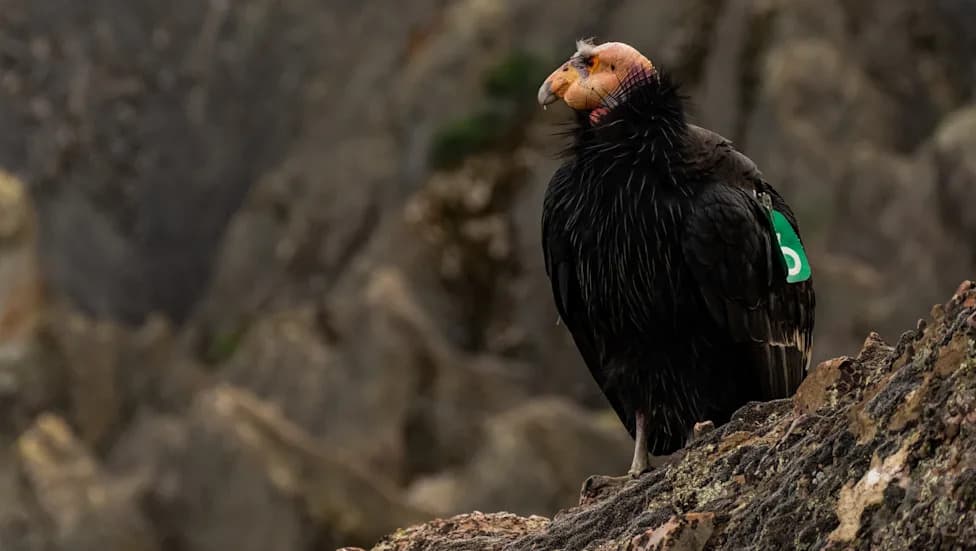
Photo Credit: iStock
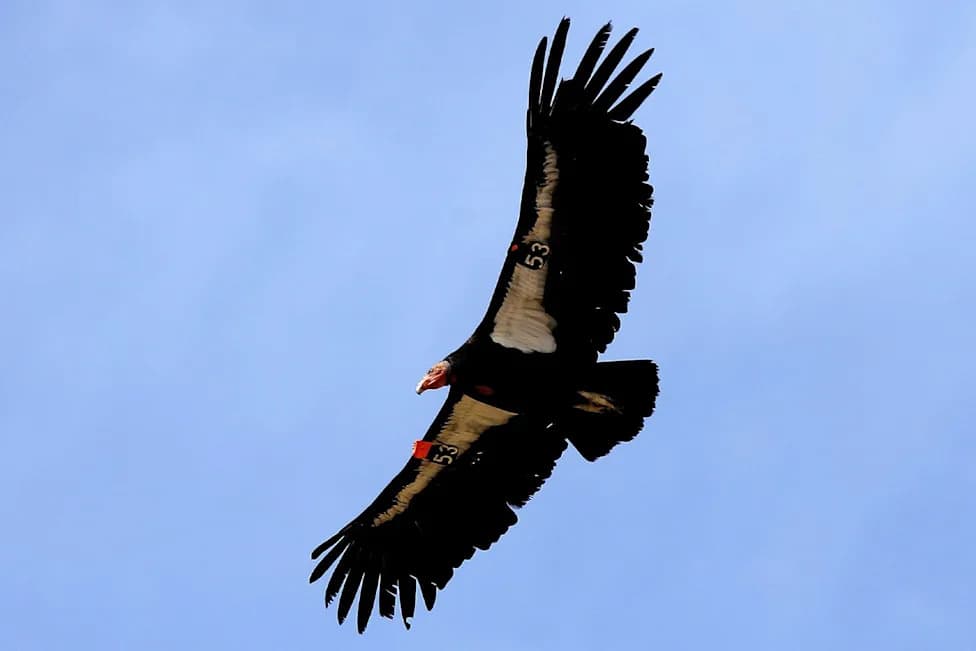
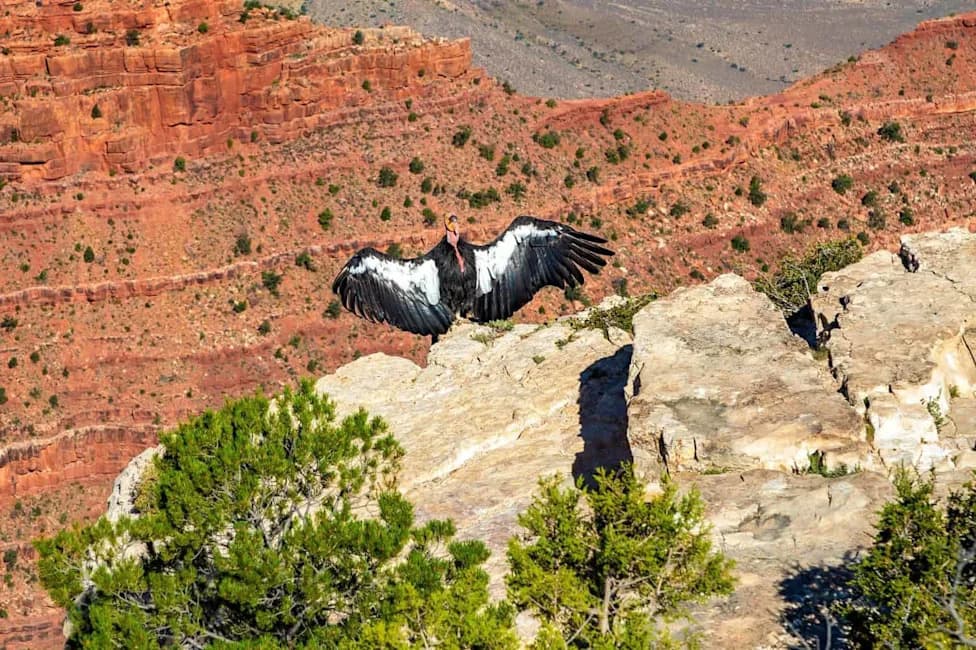
California's iconic California condors remain visible over the Central Coast, but the local flock at Pinnacles National Park has declined this year, conservation partners say.
Park staff and the Ventana Wildlife Society report the population managed in the Pinnacles area now stands at 106 birds, down from 114 a year earlier. The drop is attributed mainly to adult deaths and a string of unsuccessful nesting attempts.
Lead Exposure Continues to Threaten Recovery
Ventana Wildlife Society Executive Director Kelly Sorenson emphasized that lead exposure is still one of the species’ biggest challenges. "We need better availability of lead-free ammunition across the state of California. The state of California requires the use of lead-free ammunition, but the market doesn't support it," Sorenson said.
Conservationists warn that lead fragments in carcasses left by hunters or from ranch activities can poison condors that scavenge them, killing adults or causing nests to fail. Because California condors breed slowly, each adult loss has an outsized effect on recovery.
Nesting Failures and Other Risks
This season Pinnacles monitored two nesting trios; neither nesting effort produced a chick. Sorenson noted that condors can be exposed to lead during nesting, which can derail reproduction entirely.
"What we see, unfortunately, is a pair will be in the process of nesting, and one of them or both will get poisoned by lead poisoning partway through the nesting season. And when that happens, it can be devastating to the effort that these birds are trying to make in reproducing and carrying on their species." — Kelly Sorenson
Besides lead, staff are monitoring other threats such as avian influenza. According to KSBW, California has so far avoided the severe condor losses reported in Arizona; park partners have been able to vaccinate nearly 90% of the local flock.
Long-Term Progress and Ongoing Needs
Decades of recovery work have increased the global California condor population to nearly 600 birds, but local setbacks demonstrate how fragile progress remains. Condors play an important ecological role as very large scavengers that help remove carcasses from the landscape.
"We've got to improve the access to lead-free ammunition for all calibers for all hunters and ranchers. And then we'll start to see California condors really taking off," Sorenson said. "In this day and age, we shouldn't be at this point."
Seeing condors draws many visitors to Pinnacles. One park visitor told KSBW,
"We came all the way out here to, like, see animals like them and it'd be kind of sad if we didn't."
Help us improve.