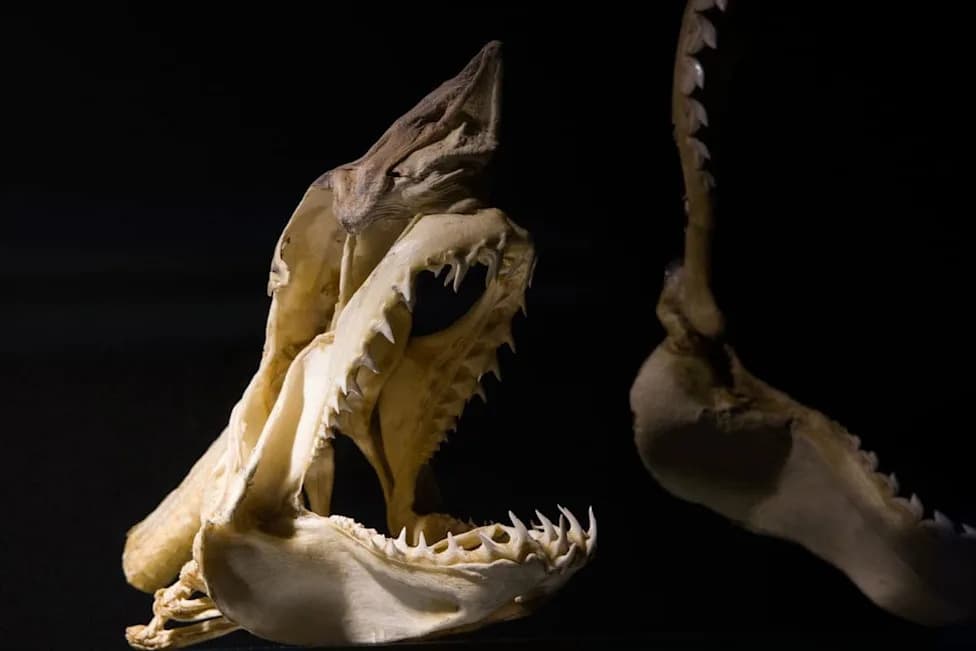
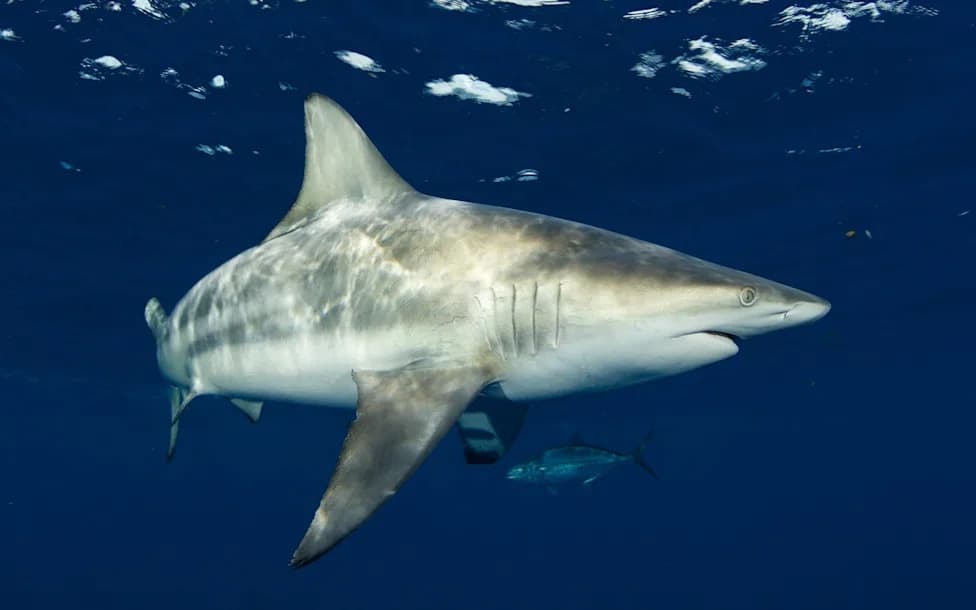
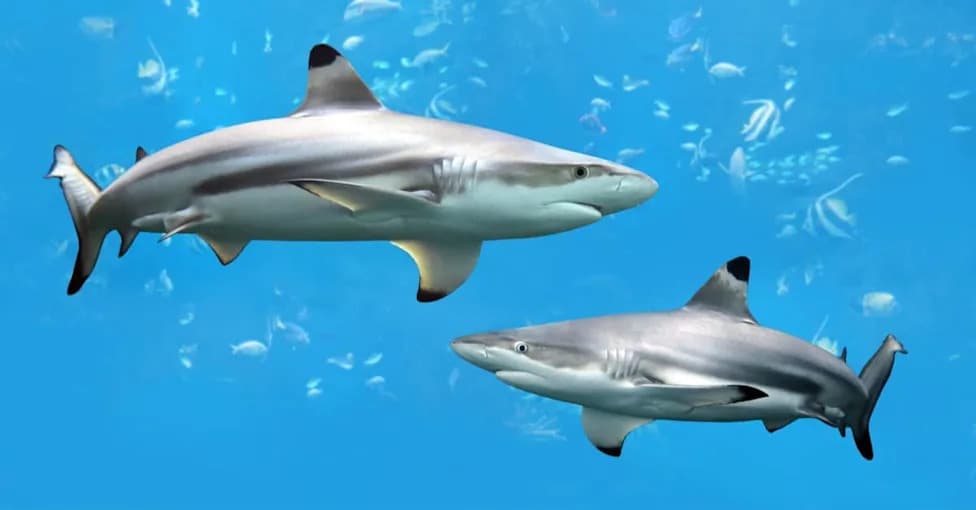
A micro-CT study by Florida Atlantic University and NOAA Fisheries reveals that shark vertebrae contain species-specific mineralized plates and branching structures that tune each spine for speed, flexibility, or impact resistance. Fast species like great whites and shortfin makos concentrate denser mineralization near the tail to transfer energy efficiently; sand tiger and basking sharks show designs favoring maneuverability or reduced stiffness. These findings link vertebral microstructure to swimming performance and suggest biomimetic engineering applications.
How Shark Spines Power Speed: What Great Whites and Makos Hide Inside Their Vertebrae
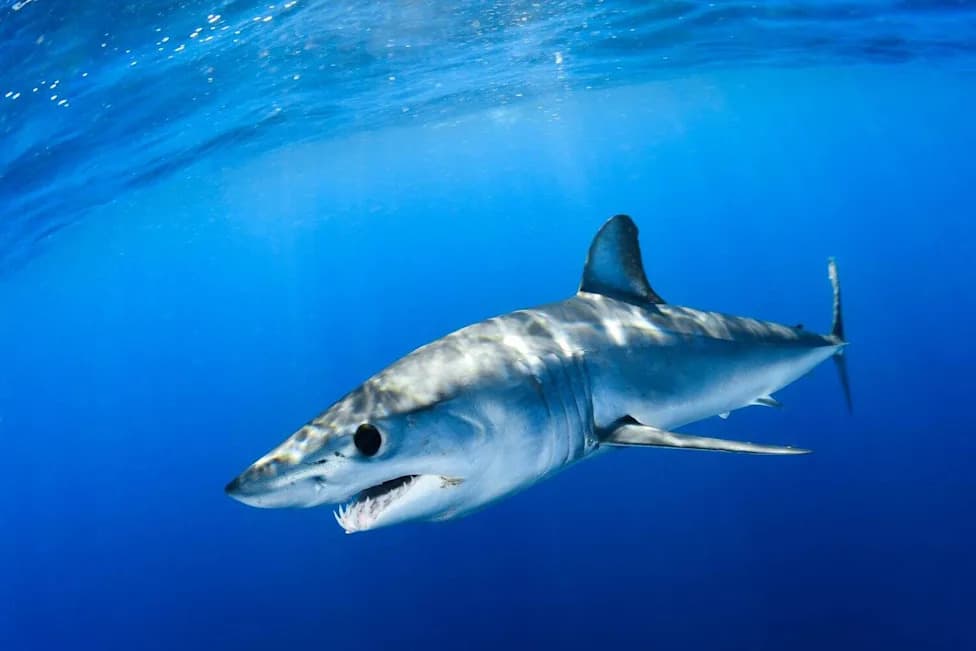
Shortfin mako shark close encounter© Xavier ELIAS Photography/Shutterstock.com
When we picture sharks, razor-sharp teeth and dorsal fins often come to mind. But new research shows an equally important secret to their prowess: the internal microstructure of their cartilaginous spines. A study by Florida Atlantic University and NOAA Fisheries published in the Journal of Anatomy used high-resolution micro-computed tomography to reveal mineralized plates and branching networks inside shark vertebrae that tune each species' spine for speed, flexibility, or impact resistance.
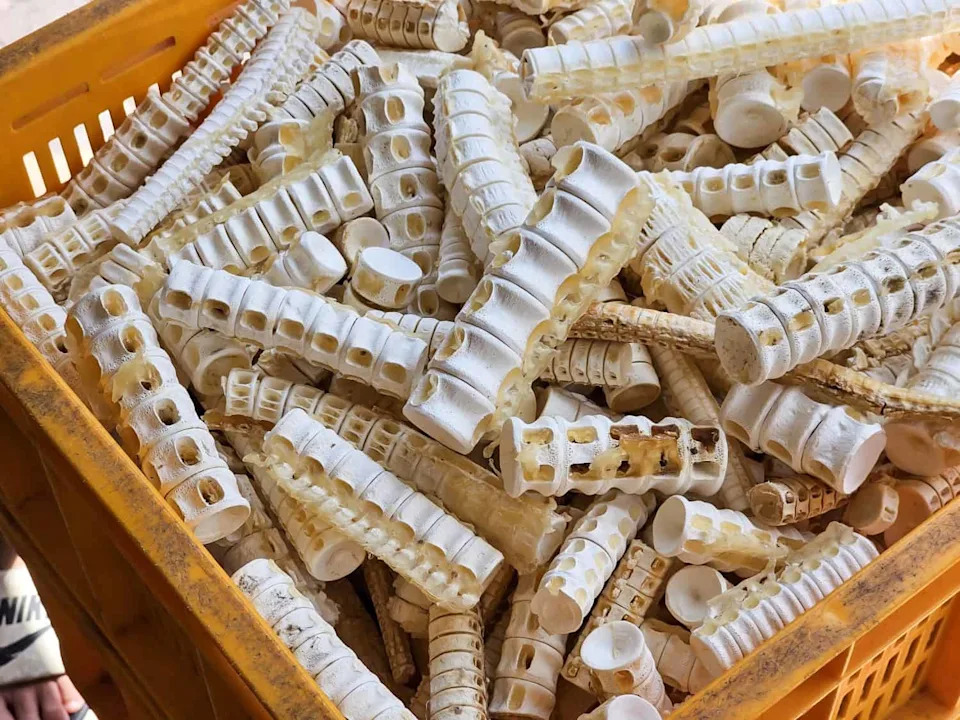
Researchers discovered that the cartilaginous spines of sharks contain specialized mineral structures.©Howe Hoi/Shutterstock.com
How the Study Was Done
Researchers collected vertebral samples from six shark species—the great white, shortfin mako, porbeagle, common thresher, sand tiger, and basking shark—and scanned multiple regions along each spine using micro-CT. Those scans produced detailed 3D images, allowing the team to map internal mineralized structures without damaging specimens. The anatomical maps were then compared with each species' swimming style, body form, and known ecological behaviors.

A better understanding of shark spines could inspire new technologies optimized for both strength and speed.©TongTa25/Shutterstock.com
Main Findings
The team found that the arrangement and density of mineralized material inside vertebrae vary by species and along the length of the spine. Fast-swimming species (great whites, shortfin makos, and porbeagles) concentrate denser, stiffer mineralized structures near the tail. That added rigidity helps transmit muscular energy to the caudal fin more efficiently, producing powerful, high-speed thrusts. By contrast, sand tiger sharks show vertebral architectures that favor flexibility and maneuverability in complex environments, while the common thresher has especially dense internal plates to withstand the forces produced by its tail strikes. Basking sharks, which are slow filter-feeders, display reduced vertebral mineralization overall.
"By examining species with varied swimming strategies, we found that the shark spine is not a one-size-fits-all design. Instead, its internal architecture reflects the unique demands of each species' movement," said Jamie Knaub, the study's first author.
Why It Matters
These discoveries link internal vertebral microstructure directly to locomotor performance and ecology. The study not only explains how evolutionary pressures shaped different swimming styles but also suggests practical applications: the integrated, species-specific balance of strength, stiffness, and flexibility could inspire biomimetic materials and structures that need both agility and durability.
Takeaway
Shark spines are more than simple flexible rods: they are finely tuned biomechanical systems whose mineralized internal architectures have been sculpted by hundreds of millions of years of evolution to match each species' swimming needs.
Help us improve.