Images from Ceuta — where roughly 60,000 migrants briefly entered Spanish territory — have shifted the spotlight back onto illegal immigration, complicating Andy Burnham’s strategy of emphasising popular domestic policies to improve Labour’s standing. While Burnham’s education, transport and tax proposals have boosted Labour in the polls, the Ceuta episode gives Reform a renewed opening to press for concrete border-control measures. European leaders have raised alarm, and serious large-scale responses may require politically fraught changes to human-rights or asylum arrangements.
Ceuta Crisis Hands Reform a Political Opening — Pressure Mounts on Burnham for Clear Border Policy
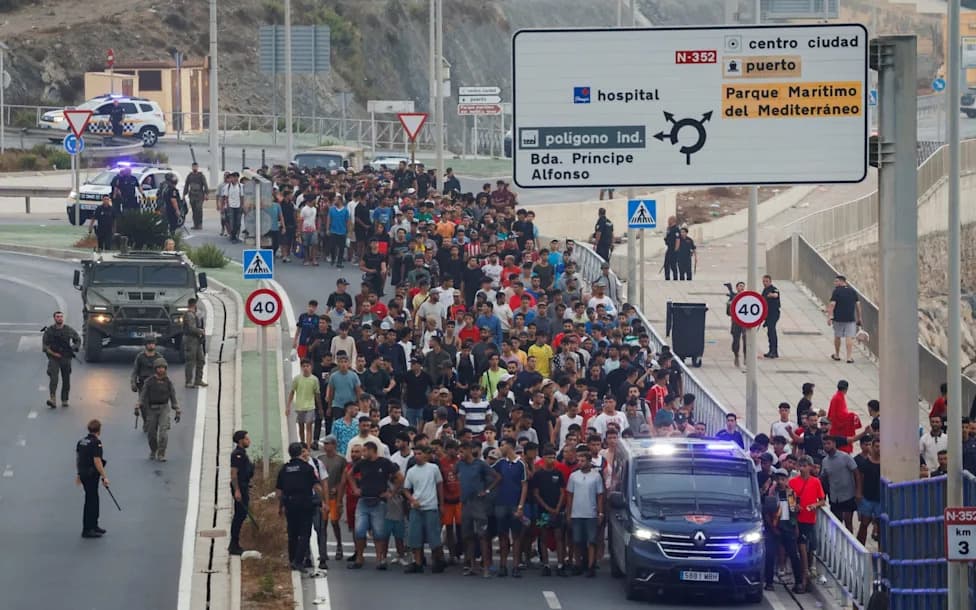
Spanish police and soldiers escort a group of migrants to the border with Morocco near Ceuta to remove them from Spain - Jon Nazca/REUTERS
Images from Ceuta — where an estimated 60,000 migrants briefly crossed into the Spanish exclave before most returned to Morocco — have forced immigration back onto the political centre stage and complicated Andy Burnham's recent tactical approach of focusing public attention on domestic policy wins.
What Happened
In a dramatic episode, tens of thousands of North African migrants entered Ceuta, prompting alarm across Europe. Reports note one small boat last month carried a record 165 people. Although most of those who crossed subsequently returned to Morocco, the incident exposed vulnerabilities in border control and rapidly became a transnational diplomatic concern.
Political Impact For Burnham
Burnham’s recent strategy — promoting popular domestic measures such as vocational education options for secondary pupils, capped bus fares, business-rate relief for pubs and energy tax cuts — had begun to boost Labour polling, bringing it level with Reform in some surveys. Those moves were deliberately designed to appeal to working-class voters and moderate metropolitan voters alike.
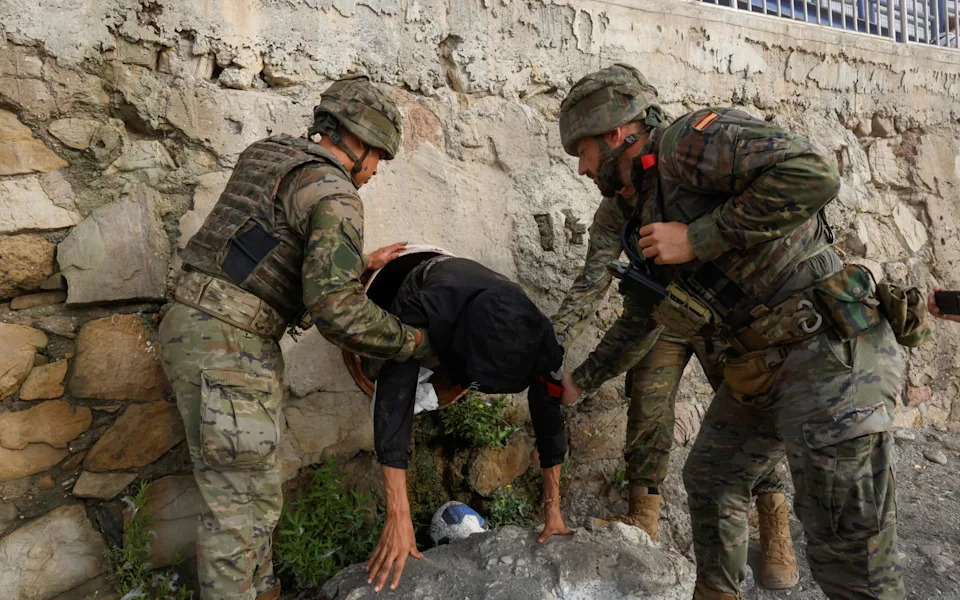
Spanish soldiers find a migrant hiding in a tunnel at the Tarajal beach in Ceuta - Jon Nazca
But by largely sidelining illegal immigration as an immediate priority, Burnham now faces a sharper spotlight. Ceuta undercuts the tactic of winning public goodwill on social and economic issues while avoiding clear, detailed positions on border control.
Reform’s Opportunity
The Ceuta crisis hands Reform a chance to reclaim the agenda on its strongest issue. Despite internal scrutiny over party figures, Reform can press for specific measures: faster processing of claims, expedited returns of failed asylum seekers, and clearer operational plans to deter small-boat crossings. These concrete proposals put pressure on Labour to match specificity with workable alternatives.
European Reaction And Geopolitical Stakes
Ceuta has elevated migration into a geopolitical problem. Italy’s prime minister, Giorgia Meloni, warned of a "concrete threat" and raised the spectre of suspending Spain from the Schengen zone; even Poland’s more moderate prime minister, Donald Tusk, has voiced concern. The incident has therefore forced immigration onto the agenda of European leaders as well as national politics.

Migrants try to make their way past Spanish police officers following the mass crossings by sea and on foot from Morocco - Violeta Santos Moura/REUTERS
Policy Constraints And Next Steps
Meaningful large-scale responses — such as expedited returns or offshore processing — may require changes to human-rights and asylum law, measures that are politically contentious and unlikely to win easy support from Labour MPs and activists. That constraint limits Burnham’s immediate options and makes it harder to demonstrate decisive action without provoking internal resistance.
In the coming days Burnham will need to move beyond determined photo opportunities: he must present clear, operational proposals or a credible plan to coordinate with European partners. Vague reassurances or calls for a pan-national taskforce will probably fall short of public and political expectations.
Conclusion: Ceuta has reopened the immigration debate and given Reform a renewed political opening. Burnham’s earlier domestic-policy gains remain real, but the crisis has raised expectations for a concrete, credible border-control response — a demand that will test his capacity to translate political instincts into actionable policy.
Help us improve.