London's 10-year Clean Rivers and Waterways plan aims to reduce pollution, improve water quality and create free, safe outdoor swimming spots across the city. Backed by £1.8bn from partners plus additional mayoral funding, the plan confronts large inequalities in swimming ability, recent drowning incidents and heavy sewage pollution of the Thames. Experts say improving facilities, water-safety education and formal bathing designations are essential steps toward a swimmable London.
Can London Become a Swimmable City? The Push To Clean Rivers And Open Up Outdoor Swimming
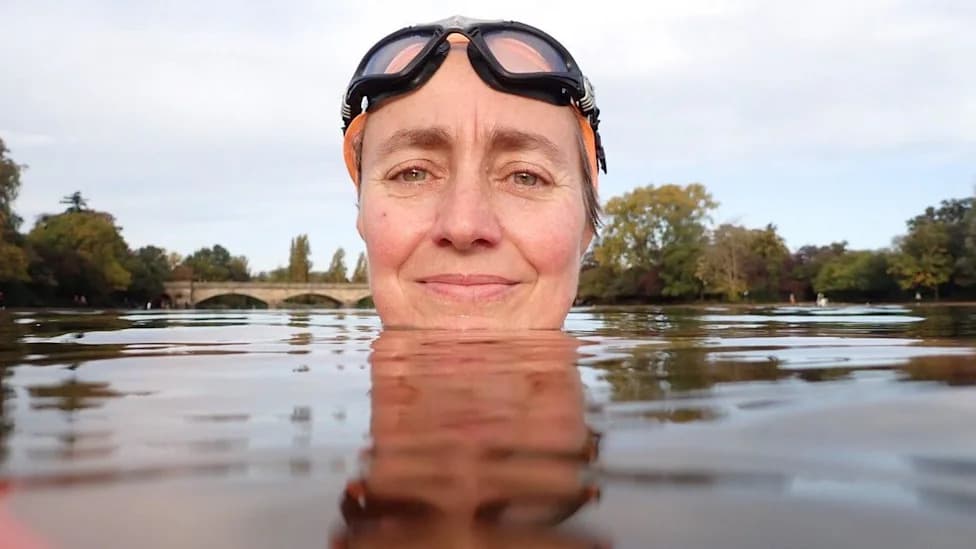
Laure Latham says everyone should have access to swimming in London [Laure Latham]
Laure Latham swims regularly in the Serpentine, the lake at the heart of Hyde Park, and is one of the most visible advocates for widening access to open-water swimming in London. An ultra-marathon swimmer and president of the Serpentine Swimming Club, she says that as summers grow hotter, outdoor swimming should be open and safe for everyone.
"To enjoy wild swimming, everybody needs to be a confident swimmer, and that's a bridge we need to cross at some point, leaving nobody behind," Latham writes. She argues that teaching more people to swim "should be a national health priority," a sentiment also voiced by Mayor Sadiq Khan, who describes access to the capital's waterways as "an issue of social justice."
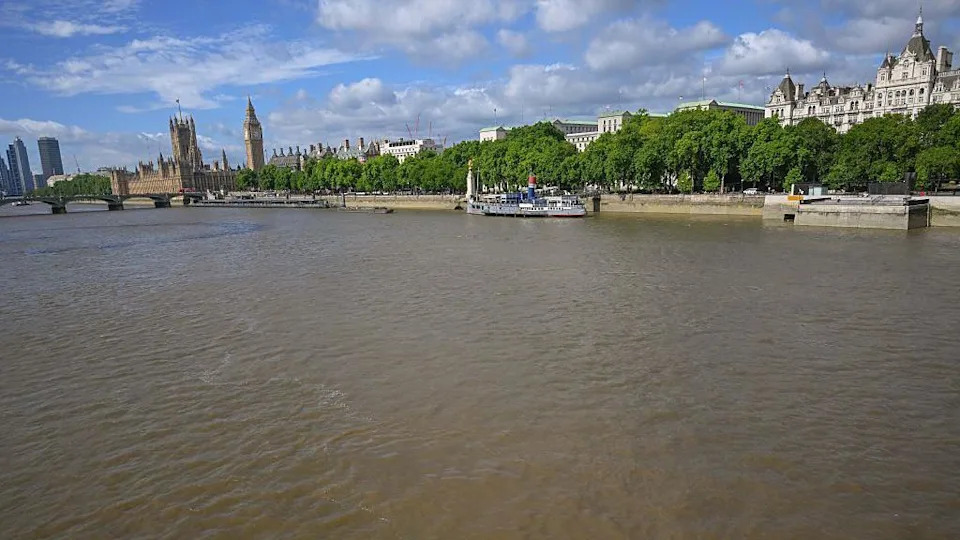
The London Fire Brigade says there have been more than 100 accidental drownings across London since 2020. [Getty Images]
Mayor's Clean Rivers and Waterways Plan
The mayor's new 10-year Clean Rivers and Waterways plan, published this week, aims to reduce pollution, restore habitats and — where water quality allows — create safe, free outdoor swimming spots across the city. The strategy combines infrastructure improvements, stronger water-quality targets and community partnerships to make urban swimming a realistic option.
Funding commitments include £1.8 billion pledged by water companies, borough councils and charities, alongside an additional £2.7 million from the mayor over three years, on top of £13.6 million already promised.
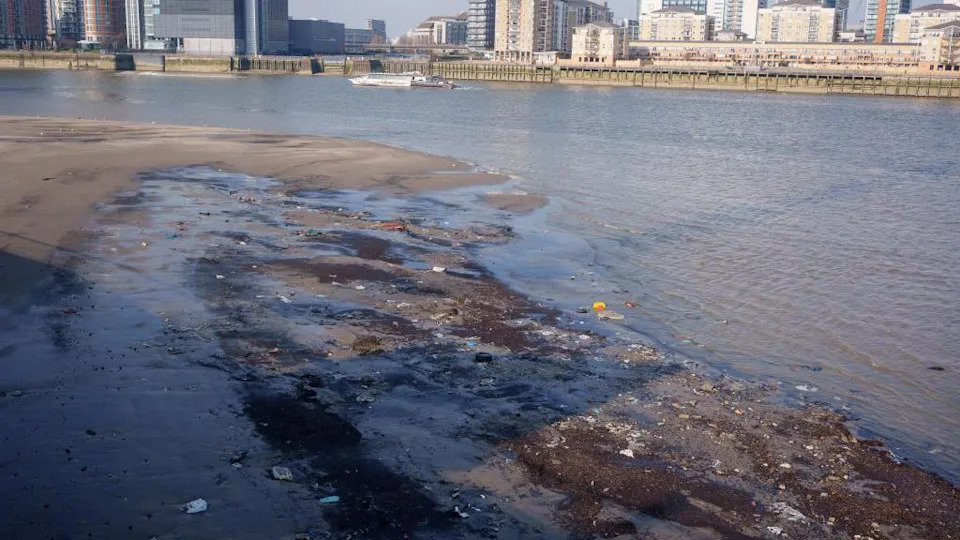
Between 2020 and 2023, it is believed the River Thames was polluted by at least 72 billion litres of sewage discharges [Getty Images]
Safety, Inequality And Pollution
While enthusiasm for outdoor swimming is growing, risks and inequalities remain. The London Fire Brigade reports more than 100 accidental drownings in the city since 2020, and a teenage boy died after entering the water at Royal Victoria Dock in June, prompting a Port of London Authority safety campaign.
Swimming ability varies sharply by income and ethnicity: the 2024 Active Lives Children Survey finds 86% of children from the most affluent families can swim 25 metres unaided, compared with 42% from the least affluent families. More than 80% of white British children in years seven and eight can swim, versus fewer than 50% of black children of the same age. City Hall estimates around 700,000 Londoners cannot swim.
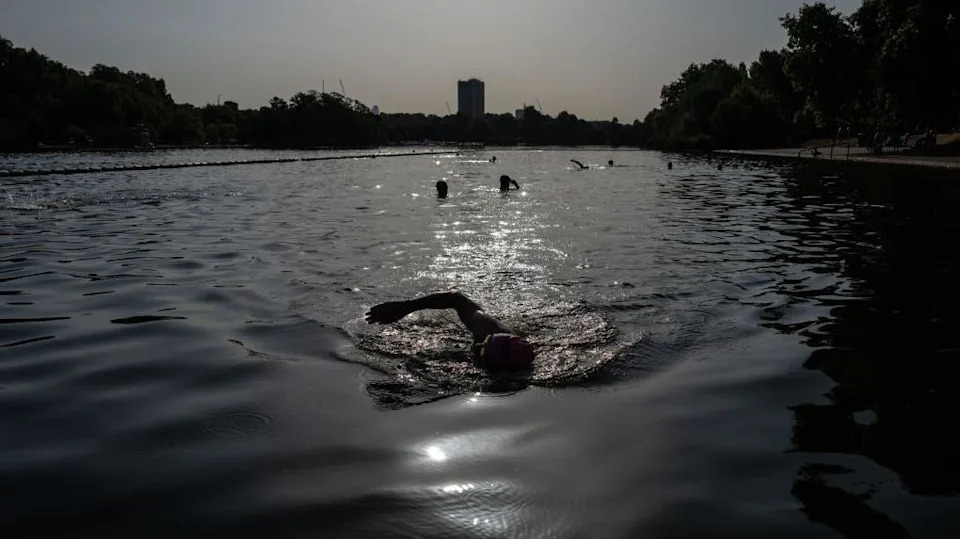
Swimmers in the Serpentine are "a great cross-section of society" says Laure Latham [Getty Images]
Water quality is a major barrier. Between 2020 and 2023 the River Thames received at least 72 billion litres of recorded sewage discharges, a figure that many observers believe understates the true extent of the pollution. Mayor Khan has said the waterways have suffered "decades of neglect and pollution" and are often disconnected from the people who live beside them.
Progress And International Lessons
There are early signs of change: in May, a stretch of the Thames at Ham and Kingston was designated as official bathing water by DEFRA — the first time any part of the Thames has gained that status. If water quality improves on other stretches, more formal bathing designations could follow.
Experts point to practical steps used in other European cities. Chris Romer-Lee, a swimming consultant and co-founder of Swimmable Cities, highlights Copenhagen and Swiss towns, where urban rivers feature showers, changing facilities, toilets and safe entry points. In those places, people know how to interpret river conditions, understand flow and risks, and use rivers responsibly.
"A swimmable London will not happen overnight," Romer-Lee says. "Cleaner rivers, safer access and better water-safety education are key."
Community Benefits
For regular swimmers the social benefits are clear. Latham describes the Serpentine Swimming Club's roughly 3,000 members as a supportive community that spans socioeconomic backgrounds. "In the water, everyone looks the same — there are no suits, expensive clothes or status," she says. The plan aims to work with community groups, including the Black Swimming Association, to widen access and improve safety for African, Caribbean and Asian communities.
The mayor's plan blends long-term investment in water quality with shorter-term efforts to expand access, teach swimming and provide safer entry points. Achieving a genuinely swimmable London will require sustained investment, better education on water safety and visible improvements to river infrastructure — but advocates say the potential benefits for public health, social inclusion and urban life are substantial.
Help us improve.