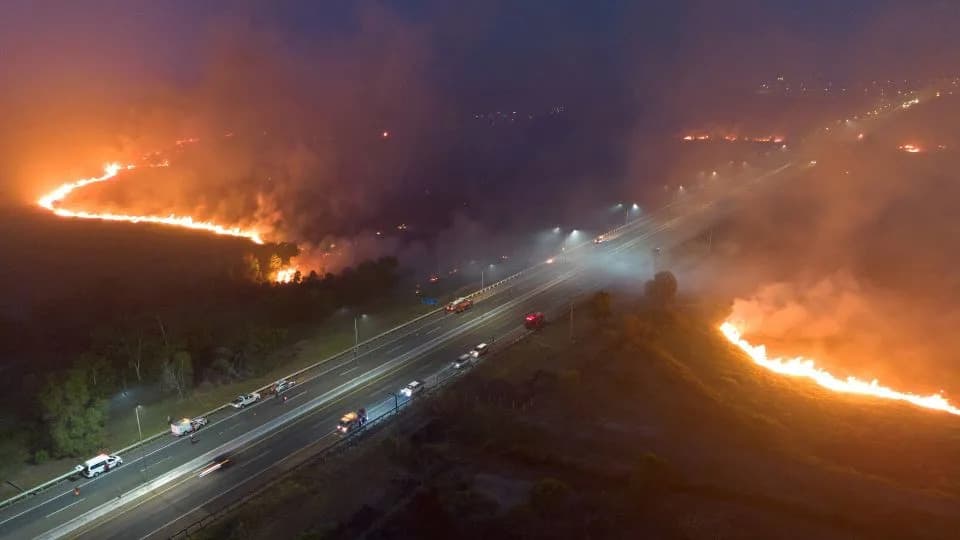
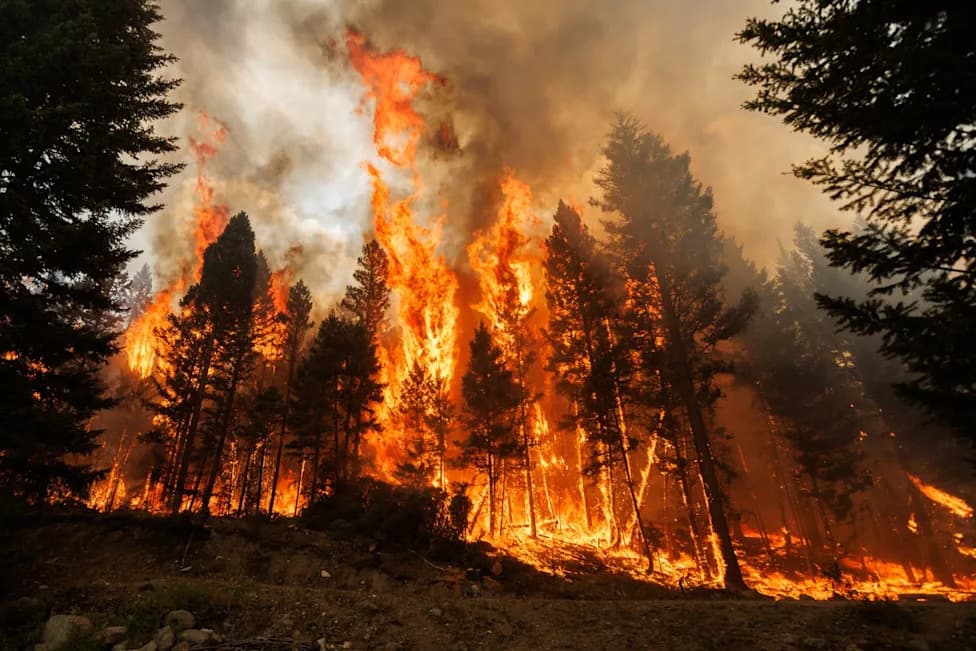
Global satellite records show landscape fire emissions near a 25-year low, mainly because burning has declined across parts of Africa and Asia. Yet Europe and North America are seeing worsening wildfire damage: North American burned area this summer is at least 25% above the 10-year average, and Spain recorded its largest-ever fire at over 193 square miles. Scientists blame warming from fossil fuels, land-use change and reduced nighttime cooling, and they warn that measures such as prescribed burns, fuel removal and better planning are urgently needed. A strong El Niño could raise tropical fire risk further.
Wildfires Worsen in Europe and North America Even As Global Fire Emissions Fall
Photo Credit: iStock
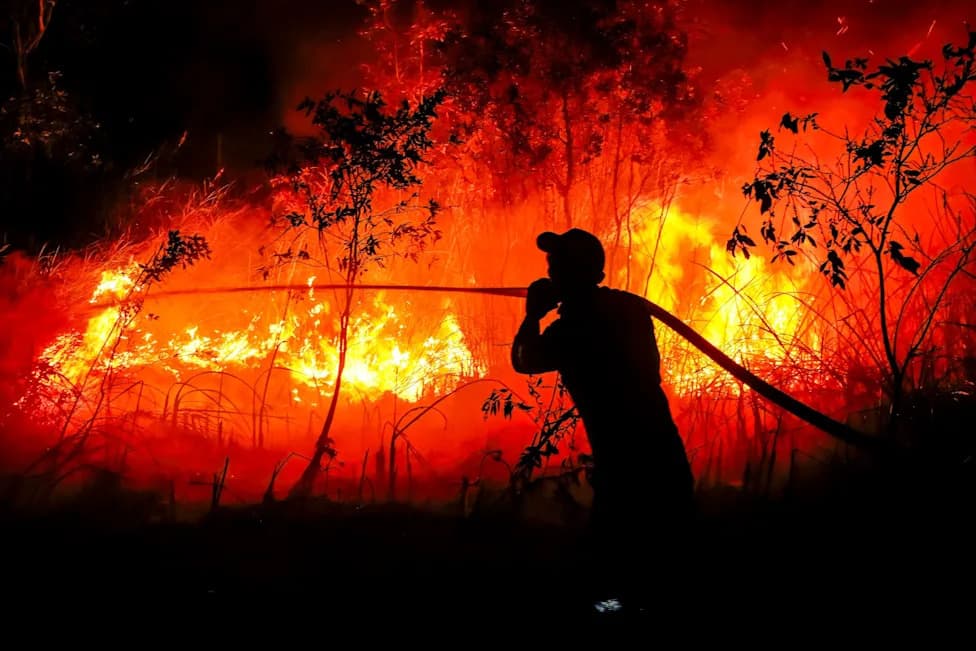
Scientists say two related trends are playing out simultaneously: wildfire damage and risk are intensifying in parts of Europe and North America, even as global emissions from landscape fires have declined to near a 25-year low.
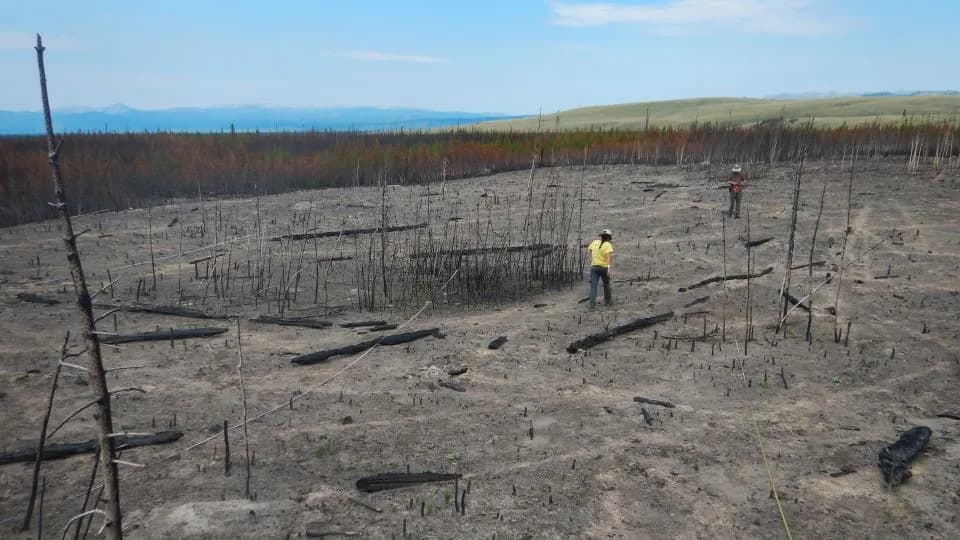
A nearly 25-year satellite record reported by Phys.org and analyzed by monitoring programs such as Copernicus shows that carbon emissions from landscape fires are roughly half the levels recorded in the early 2000s. That overall decline is driven largely by reduced large-scale burning across parts of Africa and Asia, where changes in land use, farming practices and population patterns have interrupted historic fire regimes.
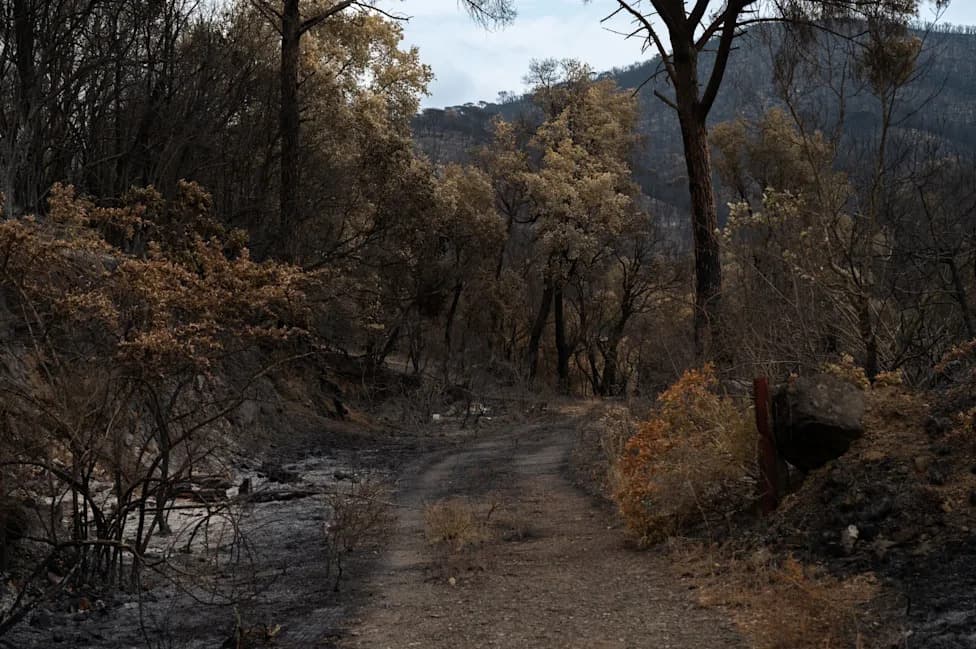
At the same time, national wildfire centers in Canada and the United States report burned area this summer at least 25% above the 10-year average and substantially higher than decades ago. In Europe the season has been unusually severe: Spain has already recorded its largest wildfire on record, with more than 193 square miles burned.
"It does seem like a paradox because we're talking increases in fires, yet the global numbers have been going down and down. But they're both true," said Mike Flannigan, a fire scientist at Thompson Rivers University in Canada.
Smaller global totals do not necessarily mean less harm. Fires in wealthier, more densely populated regions tend to be faster, larger and more destructive, producing longer periods of heavy smoke, more evacuations, greater losses of homes and infrastructure, and increased pressure on firefighting and public-health systems.
"Extreme wildfires are on the rise globally in different parts of the world. And that's the piece that you know has us shaking in our boots," said Jennifer Balch, a fire scientist at the University of Colorado.
Scientists identify human-caused warming as a central driver: greenhouse-gas emissions from fossil fuels are producing hotter, drier conditions that make landscapes easier to ignite and harder to defend. As Balch put it, people "have our foot on the gas pedal" for larger fires, and "we also have lost the brakes on fire" because warmer nights no longer give vegetation or firefighting crews time to recover.
"Africa dominates the global fire activity," UCLA scientist Park Williams noted, "so large drops there can push worldwide totals down even while risk rises elsewhere."
Experts say the decline in fire emissions across Africa and parts of Asia demonstrates that policy, land-use change and development patterns can shape fire activity — for example, when expanding agriculture or housing fragments savannas and reduces broad seasonal burning. But they also warn that Europe and North America are not adapting fast enough to the new fire reality.
Recommended responses include better urban-forest planning, more strategic prescribed burning where ecologically appropriate, targeted removal of excess fuels (dead trees and dense understory), improved building standards in fire-prone zones, and investment in firefighting and public-health resources. Scientists are also monitoring a developing strong El Niño, which could raise fire risk in tropical forests in the Amazon, Southeast Asia and parts of the Western Pacific; governments in South America are already preparing for that possibility.
Bottom line: Global fire totals can fall while local fire risk and destruction increase. The changing geography of burning — driven by climate warming and human land use — means urgent, targeted adaptation and management are needed where people and assets are most vulnerable.
Help us improve.