Protecting Ratepayers Act (HR 9777) — introduced by Rep. Byron Donalds — would require hyperscale AI data centers to secure their own electricity and water instead of relying on public utilities. Supporters say the mandatory rule addresses concerns that rapidly growing data-center demand could raise costs for households and strain power and water systems. The measure contrasts with a voluntary Ratepayer Protection Pledge signed by major tech firms and could accelerate on-site clean energy, microgrids, and water-efficient cooling.
Florida-Backed Bill Would Force Hyperscale AI Data Centers To Self-Supply Power And Water
Photo Credit: iStock
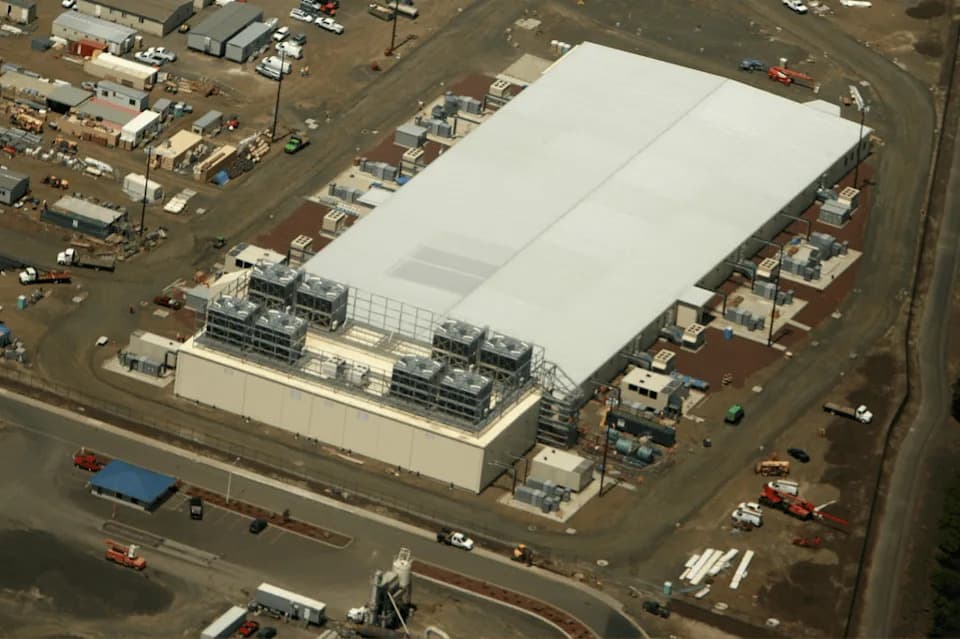
A proposal from U.S. Rep. Byron Donalds (R-Fla.) could change how the rapidly expanding artificial intelligence industry locates and operates its largest data centers by requiring hyperscale facilities to secure their own electricity and water rather than drawing from municipal systems.
What the bill would do. Filed as House Resolution 9777, the Protecting Ratepayers Act would require hyperscale AI data centers to eliminate their reliance on public power and water utilities. The measure is designed to prevent the costs of new grid and water-system upgrades—needed to serve large AI facilities—from being passed along to residential and commercial ratepayers.
Why supporters back it. Backers say the requirement responds to growing concerns that massive data centers are straining regional power grids and water resources. The Electric Power Research Institute (EPRI) projects data centers could account for as much as 9% of U.S. electricity generation by 2030, a figure often cited by policymakers weighing tighter rules on siting and infrastructure use.
Mandatory vs. voluntary commitments. The Protecting Ratepayers Act would make self-supply mandatory for qualifying hyperscale facilities, unlike the Trump administration’s voluntary Ratepayer Protection Pledge. Companies such as Amazon, Google, Meta, Microsoft, OpenAI, Oracle and xAI have signed the voluntary pledge, which aims to discourage shifting new infrastructure costs to other customers.
“I think it’s clearly a move in the right direction,” said Mehran Basiratmand, director of innovations and programs at Florida Atlantic University, speaking to WPTV about the proposal.
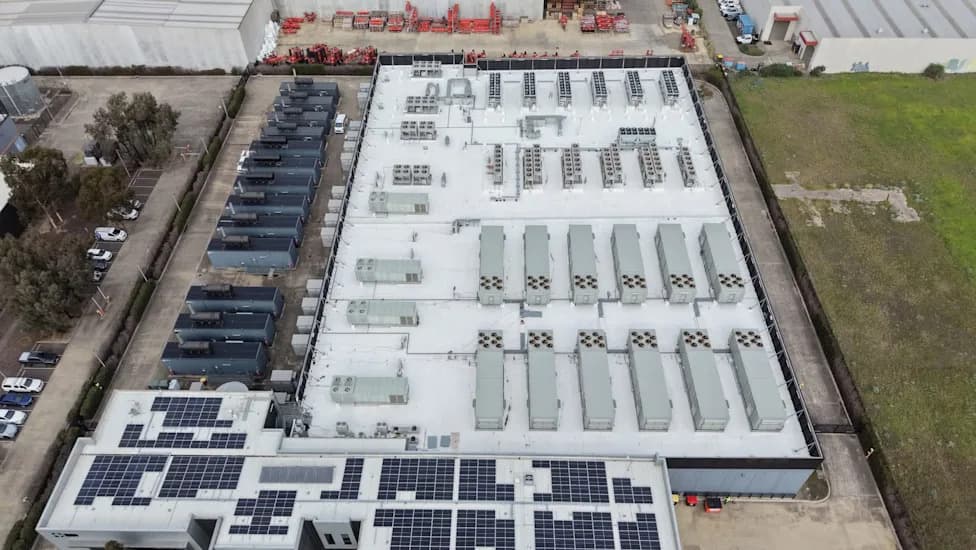
Potential industry and environmental effects. Requiring operators to account for their own energy and water supplies could encourage investments in on-site generation, battery storage, microgrids, and closed-loop or air-based cooling systems. Proponents argue this could both protect consumers from higher utility bills and reduce stress on aging infrastructure. The rule may also accelerate deployment of cleaner generation and more efficient cooling technologies.
Water considerations. Water consumption is a significant concern for some data centers because certain cooling systems require large volumes of water. Self-supply requirements could push operators toward water-efficient cooling designs or alternative cooling technologies.
Outlook and next steps. If enacted, HR 9777 would replace a voluntary pledge with a binding federal requirement for qualifying hyperscale AI facilities. Supporters do not expect the mandate to prompt a mass exodus of companies overseas; analysts say other countries are also scrutinizing data-center impacts and that many firms already pursue a mix of on-site and grid resources.
Legislative action, stakeholder feedback, and regulatory detail will determine how broadly HR 9777 applies and how companies meet any self-supply thresholds if the bill advances.
Help us improve.