More than 20 manatees that underwent years of rescue, medical treatment and rehabilitation have been released back into Florida waters. The Manatee Rescue & Rehabilitation Partnership coordinated the effort with multiple AZA-accredited institutions, which assessed each animal to ensure it could survive in the wild. Rehabilitation required extensive care — the manatees ate roughly 60,240 lbs. of lettuce at the Cincinnati Zoo — and highlights the long-term collaboration needed to protect the species and Florida’s waterways.
More Than 20 Rehabilitated Manatees Returned to Florida After Years of Care
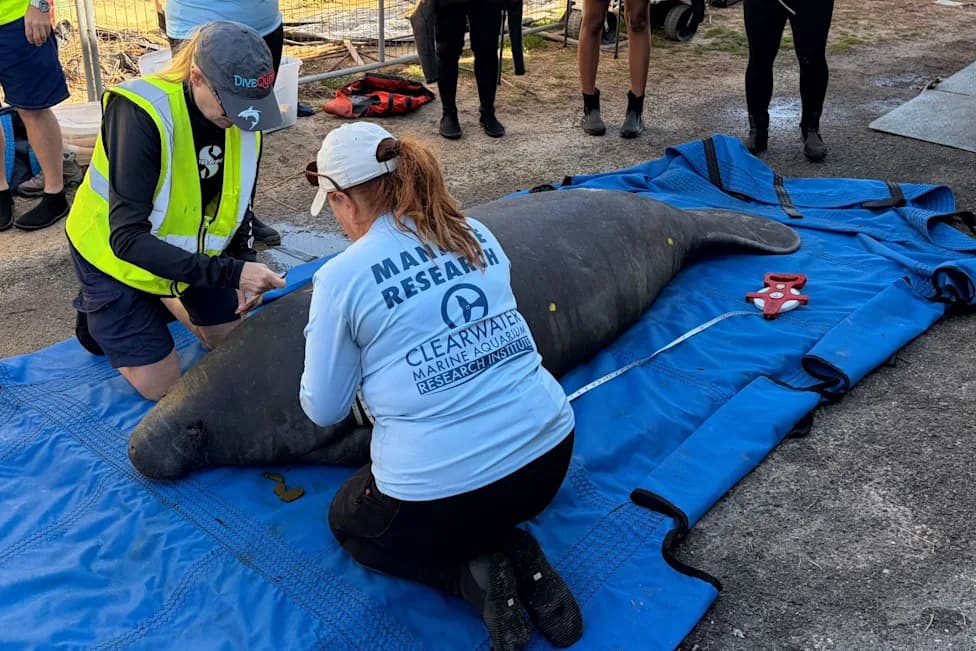
Photo Credit: Manatee Rescue and Rehabilitation Partnership (MRP)
More than 20 manatees that spent years in rescue and rehabilitation programs have been released back into Florida waters, a hopeful sign for the species and the habitats they depend on.
The Manatee Rescue & Rehabilitation Partnership (MRP) coordinated the releases, working with a coalition of AZA-accredited institutions to ensure each animal was healthy and capable of surviving in the wild. The effort illustrates how long-term recovery for large marine mammals depends on sustained collaboration across multiple organizations.
Partners and the Rehabilitation Process
AZA-accredited partners involved in the effort included SeaWorld Orlando, Zoo Miami, Columbus Zoo and Aquarium, Georgia Aquarium, Brevard Zoo, Mote Marine Laboratory and Aquarium, Cincinnati Zoo and Botanical Garden, ZooTampa at Lowry Park, and The Seas With Nemo & Friends at EPCOT. Each manatee entered care as part of rescue operations that spanned multiple years, and releases were approved only after veterinary and field experts agreed the animals were fit for release.
“These releases are the reason we do what we do,” said Lindsay Garrett, Manatee Springs keeper at the Cincinnati Zoo. “We are so excited to see them start the next chapter of their lives swimming in their native Florida waters.”
Rehabilitation can require extensive medical treatment, secure housing and prolonged observation. At the Cincinnati Zoo, staff worked to bring animals to a releasable weight; Garrett noted the manatees consumed approximately 60,240 lbs. of lettuce during their stay — a striking example of the scale of care involved.
“What’s special about the MRP is the way it brings organizations together through a coordinated network of partners, extending the reach of manatee conservation far beyond Florida,” said Becky Ellsworth, curator of the Columbus Zoo’s Shores and Aquarium region.
Why This Matters
Manatees are emblematic of Florida’s coastal and estuarine environments. Their health often reflects broader conditions in waterways that support recreation, tourism, fisheries and local livelihoods. By investing in coordinated rescue and rehabilitation, institutions help sustain natural systems that benefit both people and wildlife.
“Manatees are an iconic species in Florida, and their conservation affects us all,” said MRP president Tiffany Burns. “As these sea cows continue to face significant threats to their survival, it is more important than ever that we dedicate our time, energy, and resources to securing their future.”
These releases underscore the long-term commitment required to rehabilitate vulnerable animals and the value of networks that share expertise, facilities and resources. Continued monitoring and habitat protection remain critical to ensure released manatees thrive in the wild.
Help us improve.