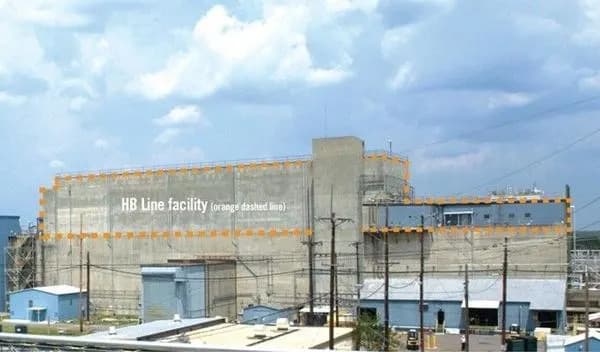
Researchers from the University of Wisconsin–Madison and Princeton estimate that DRC cobalt-hydroxide exports between 2000 and 2024 likely transported about 4.4–11 million pounds (2,000–5,000 tonnes) of natural uranium, with under 10% covered by official declarations. That undeclared uranium could supply fissile material equivalent to roughly 600–1,500 nuclear weapons or fuel a reactor for 10–25 years. The team also warns that 2.2–8.8 million pounds (1,000–4,000 tonnes) may remain in tailings, posing local health and environmental risks, and calls for audits, export testing, worker radiation checks, and enhanced monitoring.
Undeclared Uranium in DRC Cobalt Exports Could Fuel Up to 1,500 Nuclear Weapons, Study Finds
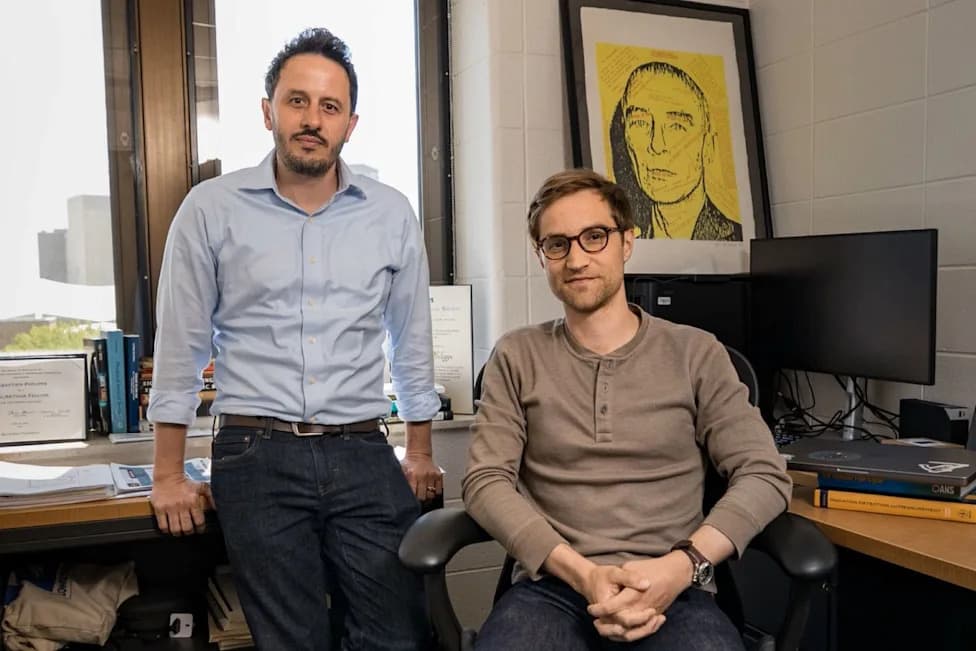
Photo Credit: Joel Hallberg
A new study by researchers from the University of Wisconsin–Madison and Princeton University reveals that cobalt-hydroxide shipments from the Democratic Republic of the Congo (DRC) likely carried significant amounts of undeclared natural uranium for years, exposing gaps in international oversight and raising both proliferation and public-health concerns.
Key Findings
The research team analyzed deposit mineralization, mine-level trade records and a chemistry-based model of cobalt processing to estimate that cobalt-hydroxide exports from the DRC transported roughly 4.4 million to 11 million pounds (about 2,000 to 5,000 metric tons) of natural uranium between 2000 and 2024. Public declarations and international safeguards appear to account for under 10% of that material.
“This quantity of undeclared uranium could be used to produce fissile material for roughly 600 to 1,500 nuclear weapons or fuel a standard light-water nuclear reactor for 10 to 25 years, so it’s quite a large amount,” said Sébastien Philippe, a study co-author and assistant professor of nuclear engineering at UW–Madison.
Local Health and Environmental Risks
The authors also estimate an additional 2.2 million to 8.8 million pounds (about 1,000 to 4,000 metric tons) of uranium may remain in mine tailings in chemically mobile forms. That residual uranium could increase radiation exposure risks for miners and nearby communities if not monitored and mitigated.
How Uranium Can Move Through the Supply Chain
Uranium frequently occurs alongside cobalt deposits in the Copperbelt region. During extraction and processing, uranium can remain chemically associated with cobalt minerals and thus travel with cobalt-hydroxide concentrates unless it is explicitly detected and separated during refining.
“When companies mine for cobalt in this region, they are also extracting relatively high quantities of uranium — more than you would typically find in average rock — because the uranium is essentially hitching a ride on the cobalt,” said Ryan Manzuk, the study's lead author.
Recommended Responses
The researchers urge immediate steps to close oversight gaps and reduce risks:
- Conduct an extensive national audit of uranium occurrences and production in the DRC mining sector.
- Institute routine testing of cobalt-hydroxide exports before they leave the country.
- Expand radiation screening and health monitoring for mine workers and local communities.
- Increase environmental monitoring and remediation of mine tailings to limit chemical mobility of uranium.
- Encourage more domestic refining capacity and transparent separation of uranium from cobalt to make the material easier to detect and regulate.
Implications
The findings do not imply intentional diversion of uranium to weapons programs, but they highlight a supply-chain vulnerability that could be exploited or remain unnoticed. The authors call on the DRC, international agencies and supply-chain stakeholders to tighten accounting and safeguards to address both proliferation risks and local health hazards.
Study source: Nature Communications; analysis and press materials from the University of Wisconsin–Madison and Princeton University.
Help us improve.