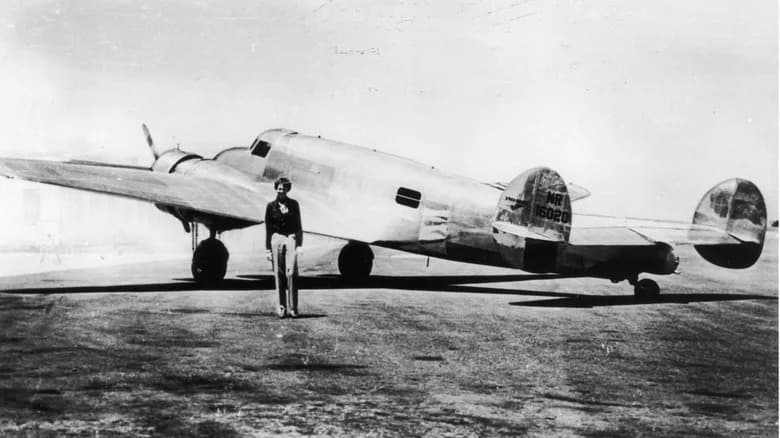
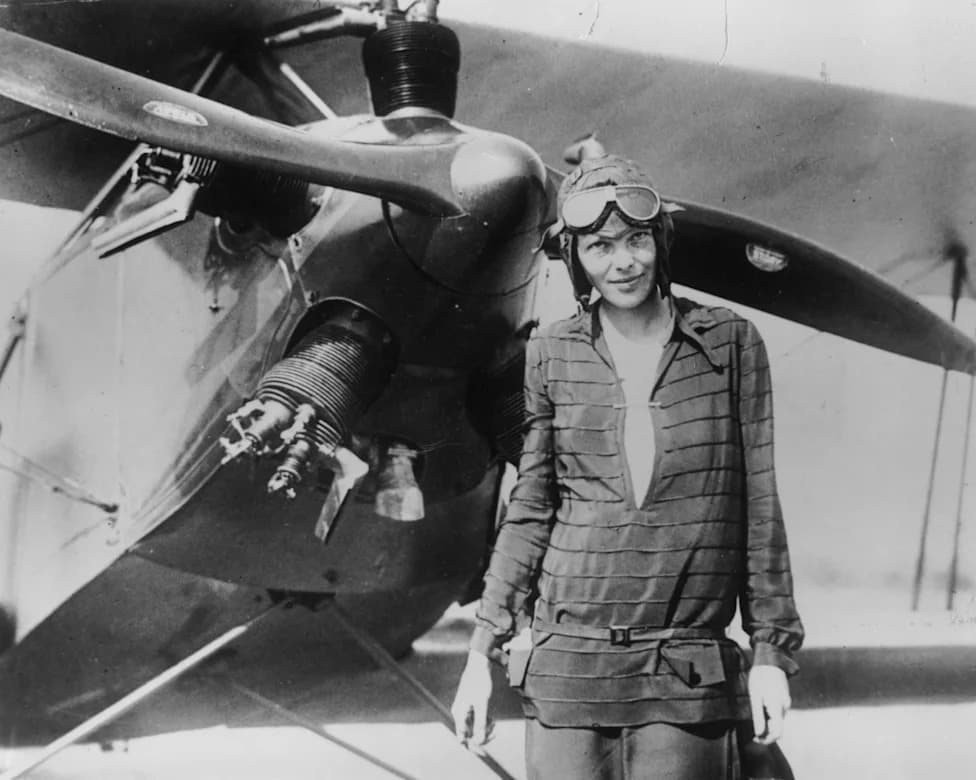
The enduring mystery of Amelia Earhart and navigator Fred Noonan’s disappearance has drawn a 16-person research team to remote Nikumaroro Island this October to investigate the so-called "Taraia Object" — an intermittently visible feature in satellite imagery that some say could be wreckage from Earhart’s Lockheed Electra 10-E.
Background
Earhart and Noonan vanished on July 2, 1937, during an attempted flight to Howland Island as part of a round-the-world journey. For decades theories have ranged from a crash at sea to capture by foreign forces. One of the most persistent—and researchable—theories proposes that the pair made a forced or "soft" landing on Nikumaroro, an uninhabited coral atoll in the Republic of Kiribati.
What Is the Taraia Object?
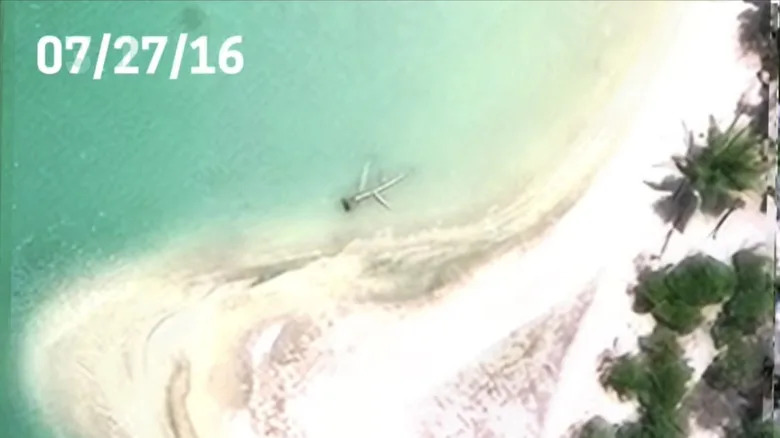
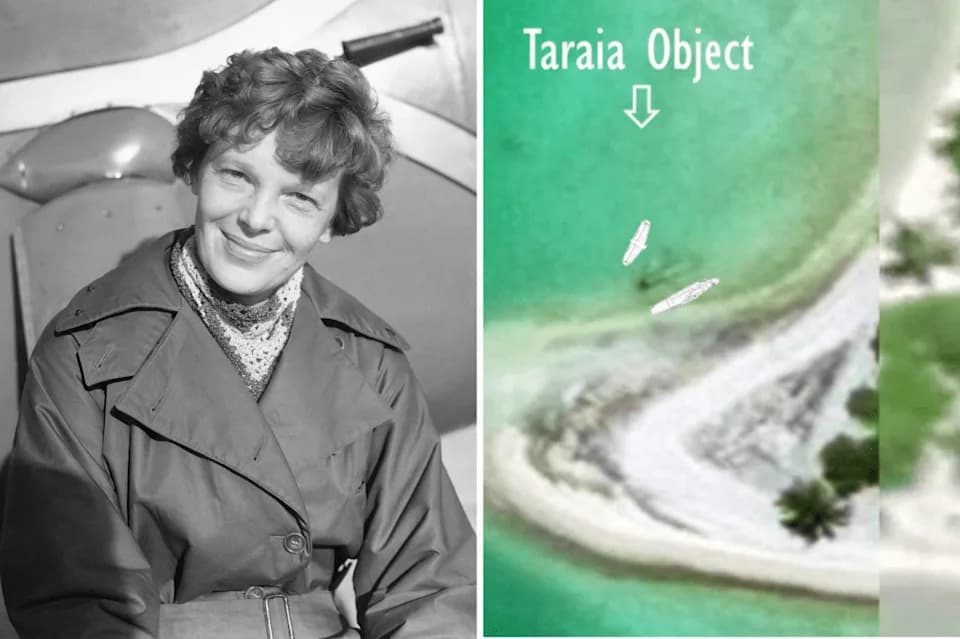
The Taraia Object first became visible in satellite images after a major storm in 2015, and resembled shapes consistent with aircraft wreckage. By 2020 the feature had reportedly sunk below the surface, although its recorded position seemed unchanged. Separately, in 1991 investigators with The International Group for Historic Aircraft Recovery (TIGHAR) reported finding a metal fragment on Nikumaroro whose dimensions matched a patch panel known to have been fitted to Earhart’s Electra in Miami before the flight.
Purdue University/YouTube
Evidence and Doubts
Supporters of the Nikumaroro hypothesis note directional bearings from Earhart’s last radio transmissions and a series of 1930s-era artifacts recovered on the island—a shoe, a freckle cream jar, a compact case and a medicine vial—that could conceivably be linked to Earhart. Human bones recovered in the 1940s matched her approximate height and build, but those remains have been lost, preventing modern DNA confirmation.
“We’ve looked there in that spot, and there’s nothing there,” TIGHAR founder Ric Gillespie told NBC News in a recent interview, adding that what appears in imagery could be a fallen coconut tree. Gillespie also said he would not oppose any responsible archaeological investigation of the island.
The Upcoming Expedition
After a year of diplomatic outreach, the team—composed of archaeologists, filmmakers, logistics, scuba and safety personnel, and Kiribati representatives—received permission from the Republic of Kiribati and will meet in Tarawa in early October. Some members depart from Purdue University’s Amelia Earhart Terminal on Oct. 3, the full team will assemble in Tarawa on Oct. 6, and they plan to sail roughly 830 nautical miles to Nikumaroro on Oct. 7 for several days of field work.
Search Methods
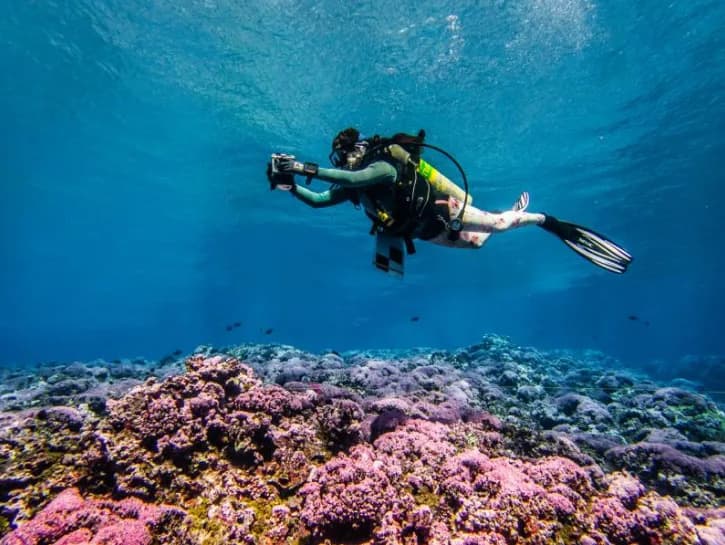
Because the Taraia Object is reportedly submerged beneath a thin silt layer, the team will use a combination of non-intrusive and direct methods: side-scan sonar and magnetometers to locate metallic anomalies; a hydro probe to break through the silt and make initial physical contact; and, if warranted, a controlled hydraulic dredge to carefully expose and identify any material. All work will follow archaeological best practices and local agreements.
Why It Matters
Remote sensing and satellite imagery can suggest possibilities but cannot substitute for on-site inspection—particularly on a dynamic low-lying atoll where storms, tides and erosion continually reshape the shoreline. Whether the Taraia Object turns out to be aircraft wreckage, a fallen coconut tree or another natural feature, a careful, documented field investigation will provide the most definitive local evidence to date.
Possible outcomes: confirmation of aircraft material linked to Earhart’s Electra; discovery of unrelated debris or natural features; or inconclusive results that point to the need for future study. As expedition leader Richard Pettigrew put it, "The only way to answer this question is to go to Nikumaroro, inspect the Taraia Object firsthand and follow the evidence wherever it leads."
Source: Purdue University announcement; TIGHAR public statements; media interviews.