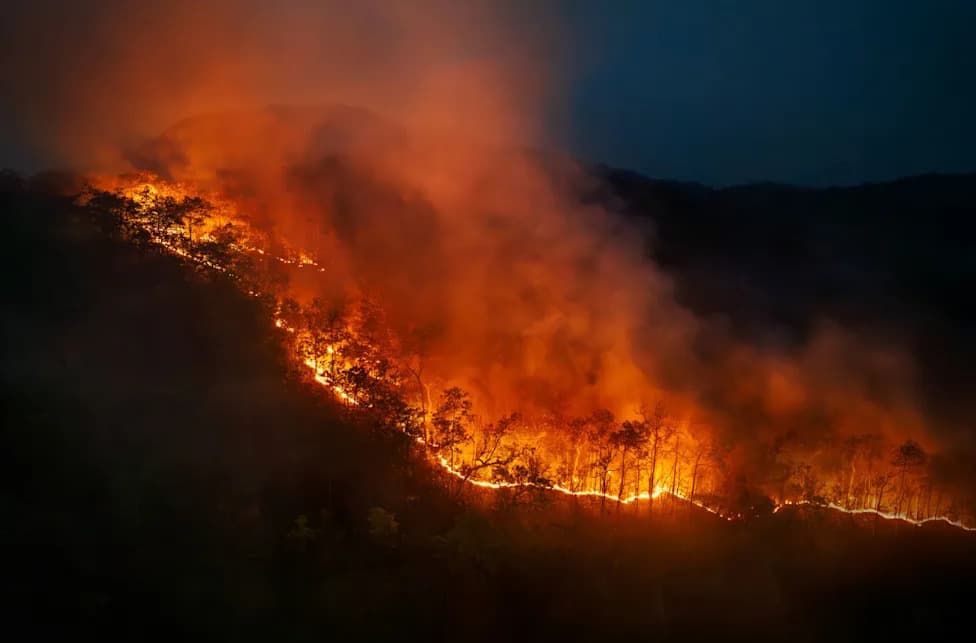
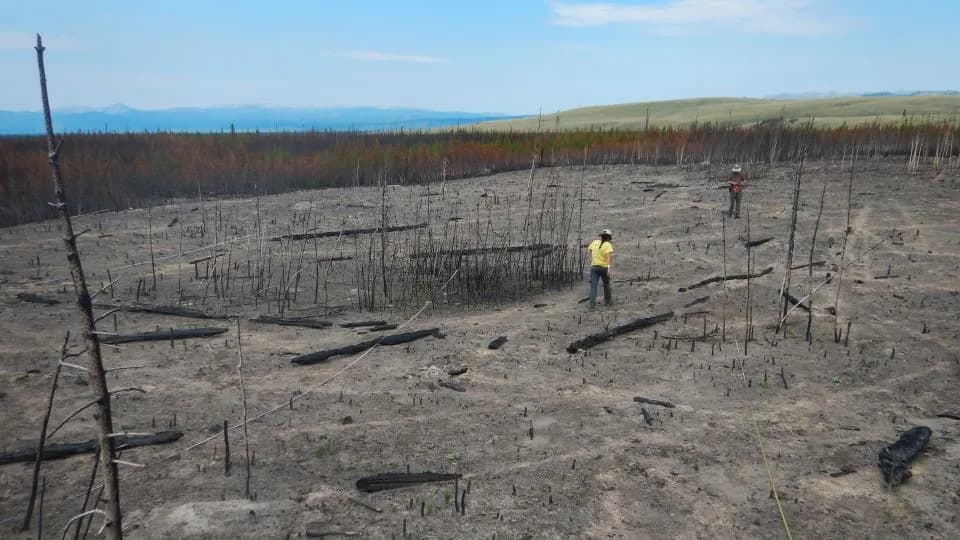
Professor Marta Yebra leads a team that merges satellite, drone and AI tools with Indigenous ecological knowledge to better predict and manage bushfires in Australia. Practitioners like Adrian Webster translate remote-sensing data into practical, on-the-ground insight. Traditional practices—cultural burning, prescribed burns and backburning—are used alongside drones and international cooperation to reduce fuel loads and give firefighters more options as a strong El Niño raises the risk of an intense season.
How Australia Blends Indigenous Knowledge and Modern Tech to Tackle Wildfires
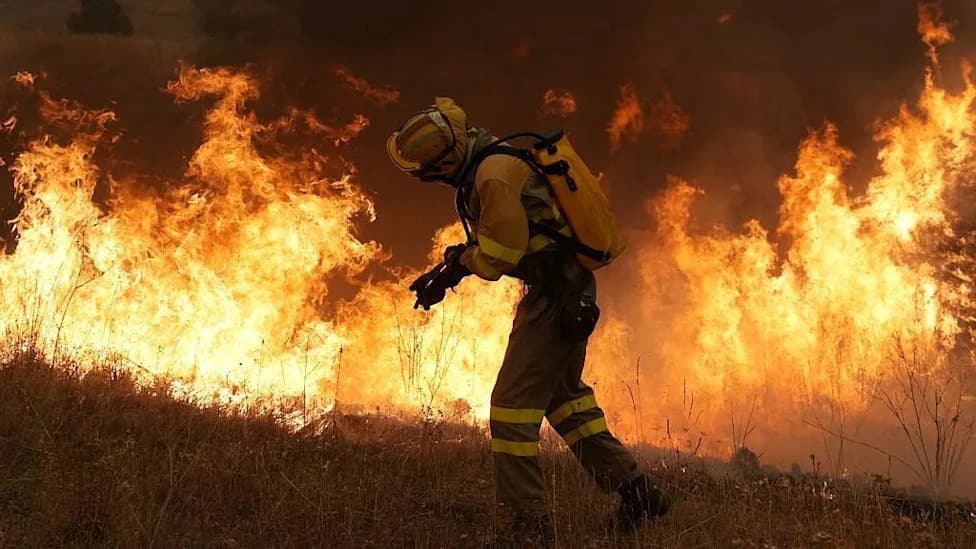
Spain declared a national state of emergency as it grapples with several major wildfires [Getty Images]
The wildfires currently devastating parts of Europe feel close to home for Professor Marta Yebra, even though they are happening on the other side of the world. Based in Canberra and originally from Spain, Yebra leads the Bushfire Research Centre of Excellence, created after Australia's catastrophic Black Summer fires of 2019–20, when an area roughly the size of the UK burned.
Combining Satellite Data With Traditional Knowledge
Yebra's team develops tools that use satellites, drones and artificial intelligence to improve early detection and risk mapping. Satellite imagery can detect variations in fuel moisture content—an important indicator of where dead leaves, grass and bark could create dangerous fuel loads—but remote sensing tells only part of the story.
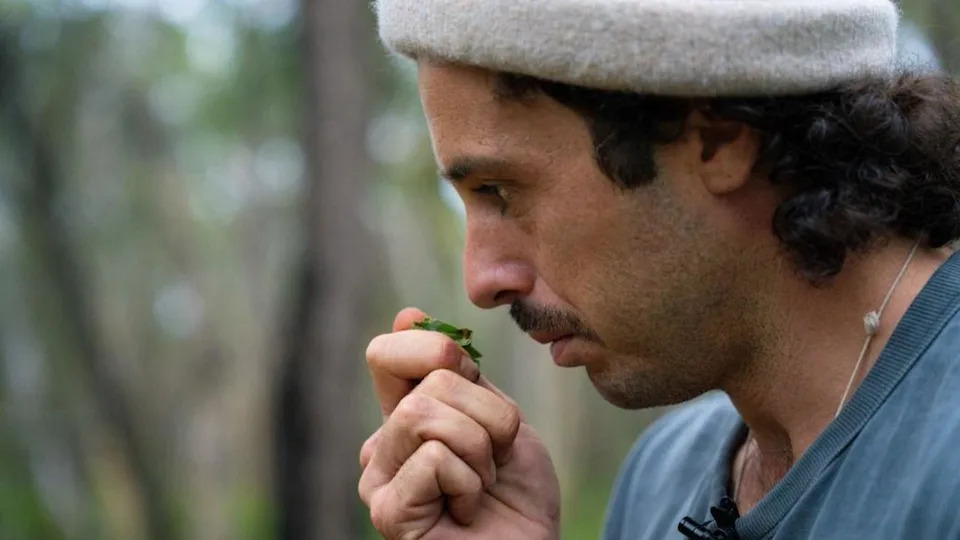
Indigenous elders taught Adrian Webster how to use fire as a tool to manage the land and maintain a spiritual connection with it [Nic Vevers]
Indigenous ecological knowledge provides the on-the-ground translation. Practitioners such as Adrian Webster, who learned to "read country" from his elders on the south coast of New South Wales, interpret subtle cues—plant colour and scent, shade and canopy cover, and subsurface conditions—to confirm and refine what satellite data suggests.
"She had all this amazing data, but there was no translation to what it meant on the ground... Through an Indigenous perspective, it was not useless. It was a map that could guide you through the country," Adrian Webster explains.
Cultural Burning and Other Tactical Tools
One long-established Indigenous practice is cultural burning: deliberately lighting small, cool fires to create a patchwork landscape so fuel does not accumulate. This practice, refined over thousands of years, reduces the risk of large, uncontrollable blazes and also maintains cultural and spiritual connections to Country.
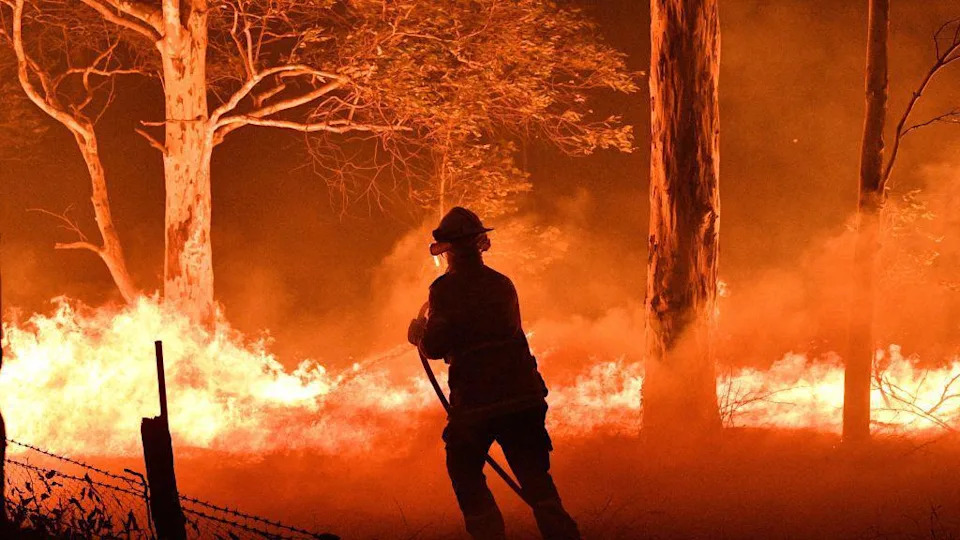
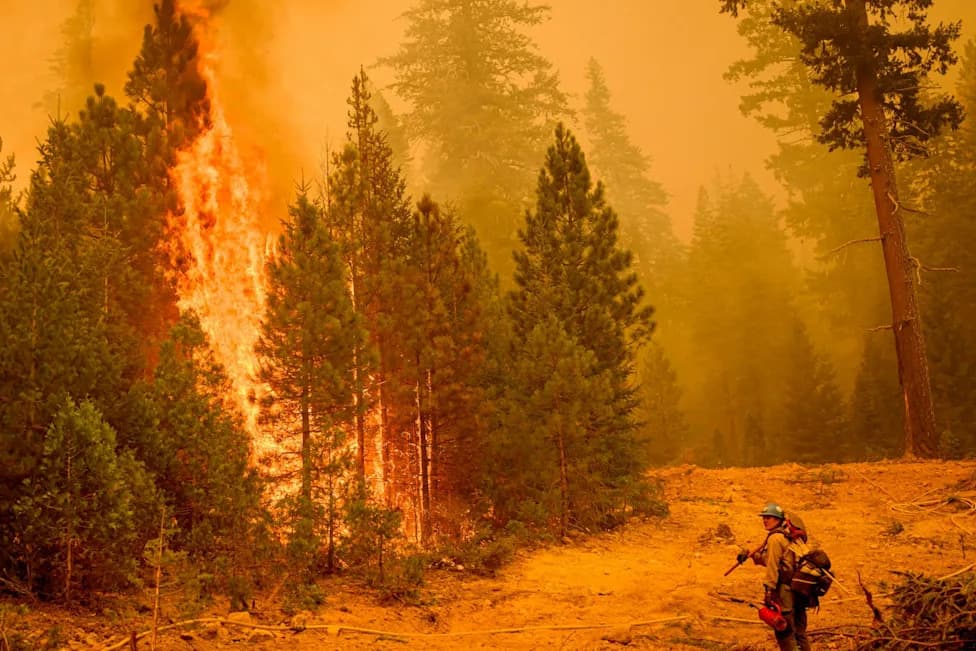
The Black Summer fires in 2019-20 were Australia's most severe fire season on record [Getty Images]
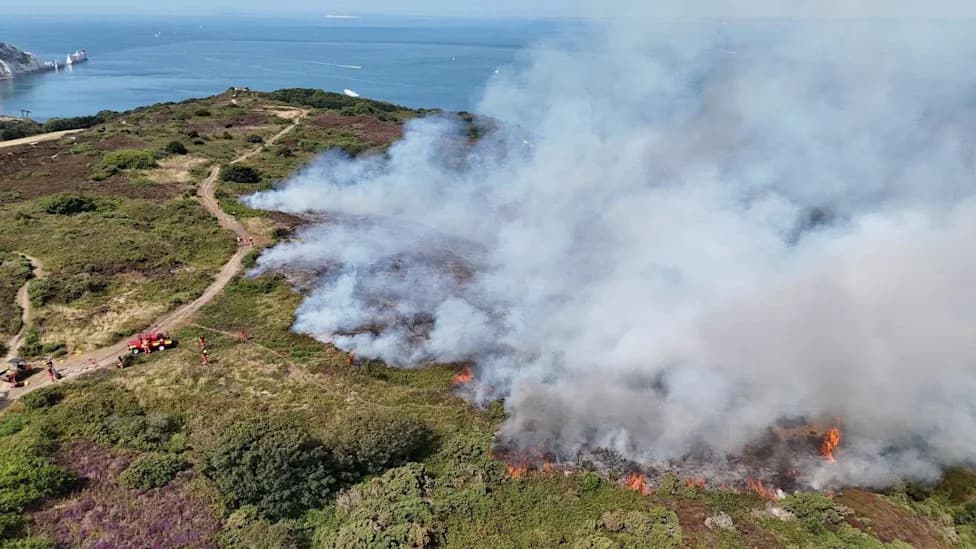
Modern counterparts include prescribed (hazard reduction) burns carried out in safer seasons, and backburning—lighting fires ahead of an advancing front to remove fuel. These techniques remain essential but are becoming harder to schedule as fire seasons lengthen and weather patterns shift.
Technology, Tactics and International Cooperation
Drones now provide rapid reconnaissance, deliver supplies, ignite controlled burns for backburning operations, and assess damage—often faster than manned aircraft can be deployed. Fire services are also increasingly sharing expertise and crews internationally: Australia regularly sends specialised teams to North America, and recently dispatched firefighters and aircraft to assist France amid record-breaking wildfires.
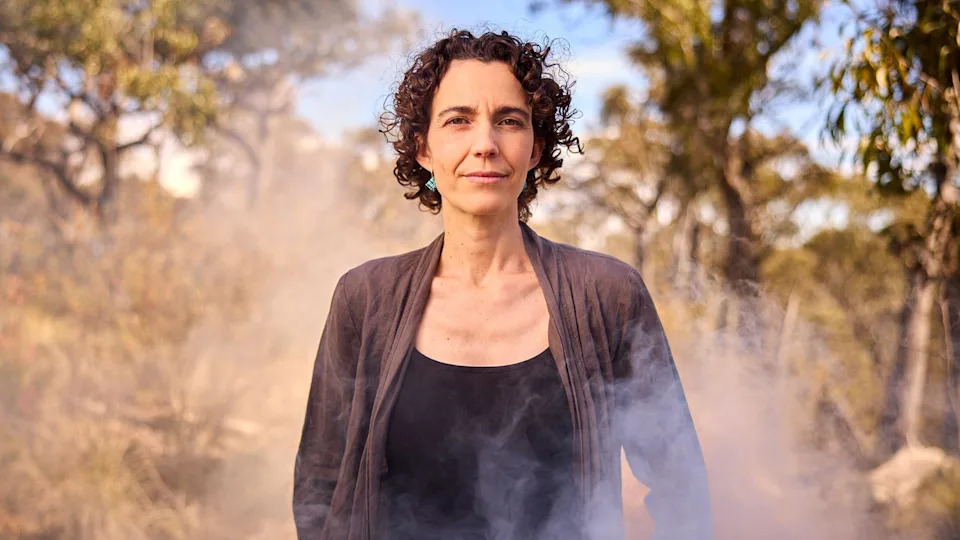
Marta Yebra leads a team developing technology to prevent large bushfires [Nic Vevers]
Jason Heffernan, chief officer of Victoria's Country Fire Authority, emphasises that no single service can manage increasingly intense fire seasons alone: trusted international networks and timely requests for assistance are critical.
Preparing for a Tough Season
Yebra's work is particularly urgent as meteorologists predict a strong El Niño that could raise the probability of extreme heat, drought and increased bushfire risk. "Our next fire season is looking like it's going to be a bad one," she warns.
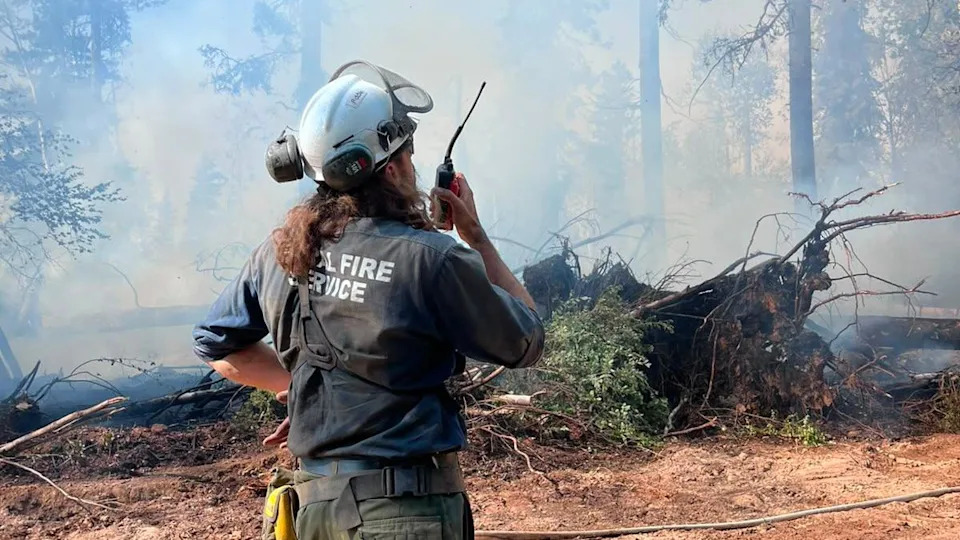
Queensland firefighter Damian Hatfield during a deployment in Canada in 2023 [Supplied]
Officials stress a shift from reacting to fires toward anticipating risk and acting earlier: better detection, combining Indigenous knowledge with remote sensing, and rapid tactical responses give firefighters more options to protect communities and country.
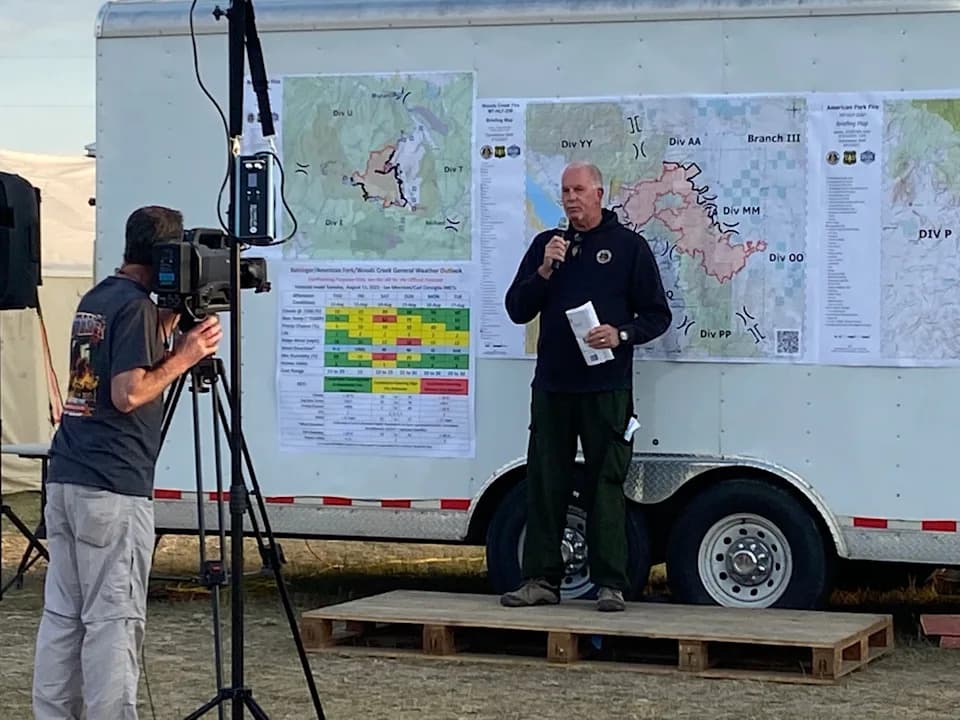
Key voices quoted or referenced: Professor Marta Yebra (Bushfire Research Centre of Excellence); Adrian Webster (Indigenous practitioner); Superintendent Andrew Shurety (Fire and Rescue NSW); Damian Hatfield (Queensland firefighter); Trent Curtin (Rural Fire Service NSW); Jason Heffernan (Country Fire Authority, Victoria).
Help us improve.