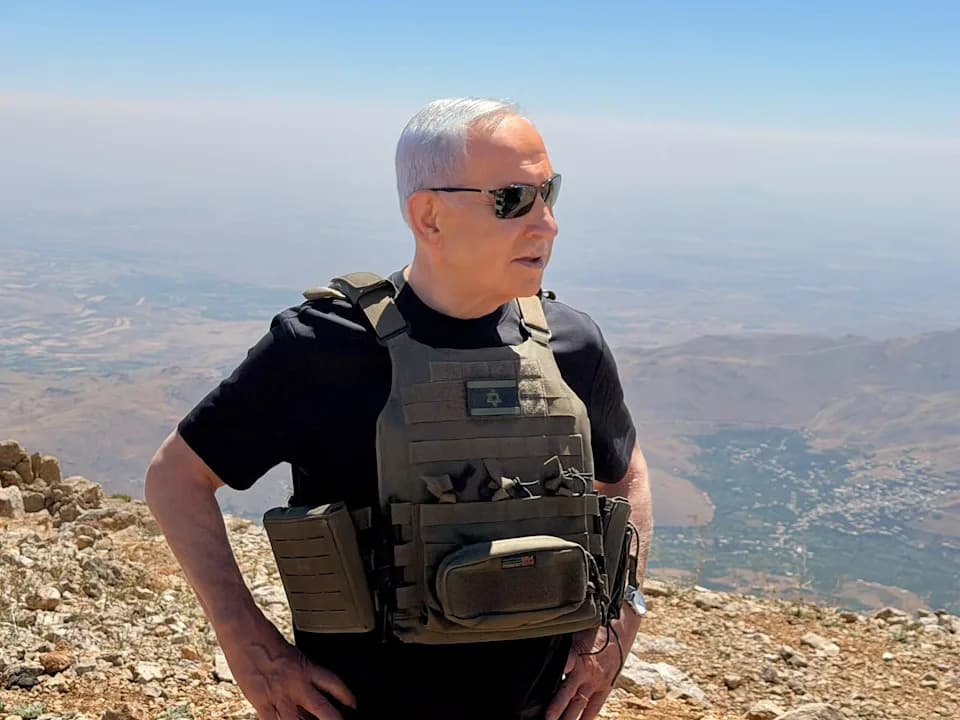
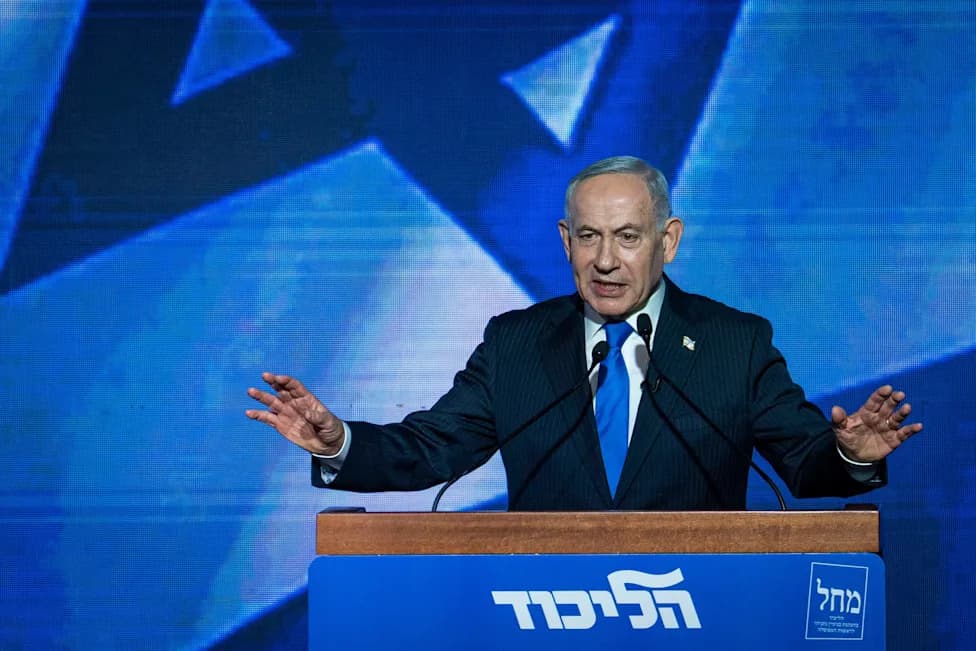
The glass entrance to Channel 12's Tel Aviv offices was smashed and an anonymous letter warned 'someone will die', the latest in a wave of threats and harassment against Israeli journalists ahead of the October election. Critics blame hostile rhetoric from Prime Minister Benjamin Netanyahu and his allies for normalising intimidation, especially after Channel 12's reporting of the Sde Teiman affair. Police have arrested a suspect and Shin Bet is involved in the probe, while legal and regulatory changes have raised broader concerns about press freedom.
‘Someone Will Die’: Escalating Threats Against Israeli Journalists Ahead Of Contentious October Election
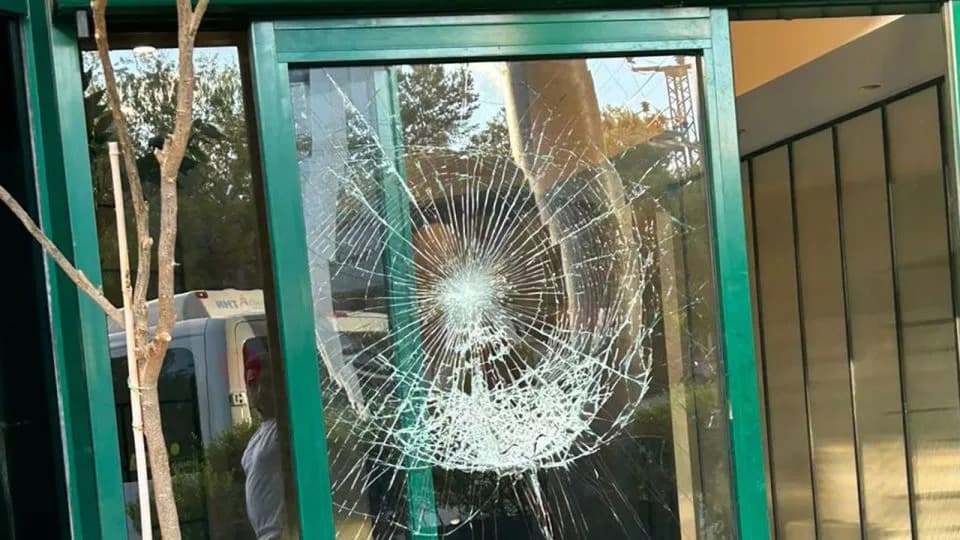
The smashed door from the attack on the Channel 12 offices in Tel Aviv on Tuesday. - Channel 12
A security camera trained on the entrance to Channel 12's Tel Aviv headquarters captured a masked man sprinting at the glass doors and smashing them with a brick. An anonymous letter left at the scene named dozens of public figures and warned: 'Next time, the brick will be aimed at one of your heads' and added, 'In the end someone will die.'
A Pattern of Intimidation
Tuesday's attack was at least the third act of vandalism targeting Israeli media in a month and is part of an intensifying pattern of threats, graffiti and harassment aimed at journalists with less than three months to go before Israel's October elections. Channel 12's lead anchor Danny Kushmaro warned earlier in July: 'Someone who throws a stone at a glass door will throw it at a person's head. Someone will die.'
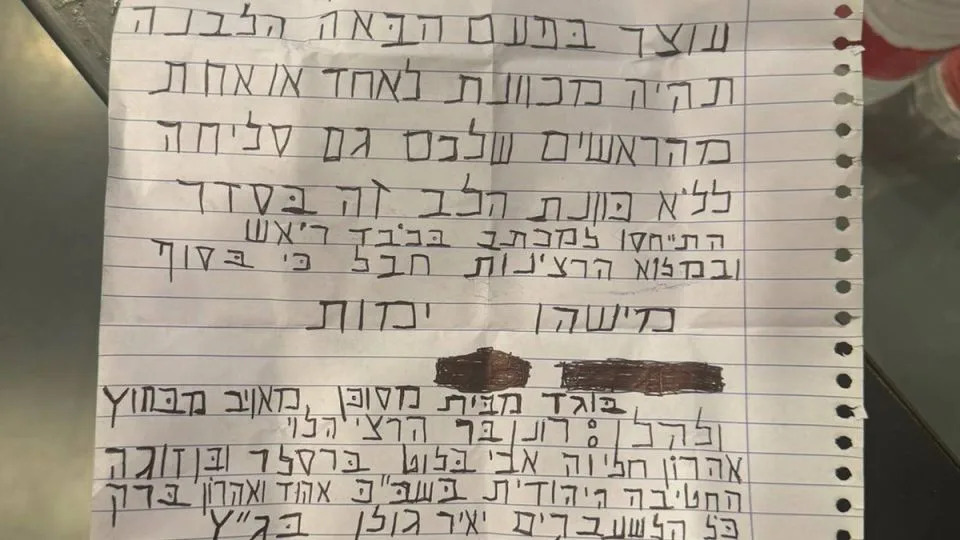
An anonymous threatening letter left by the Channel 12 door on Tuesday. - Channel 12
Political Context and Accusations
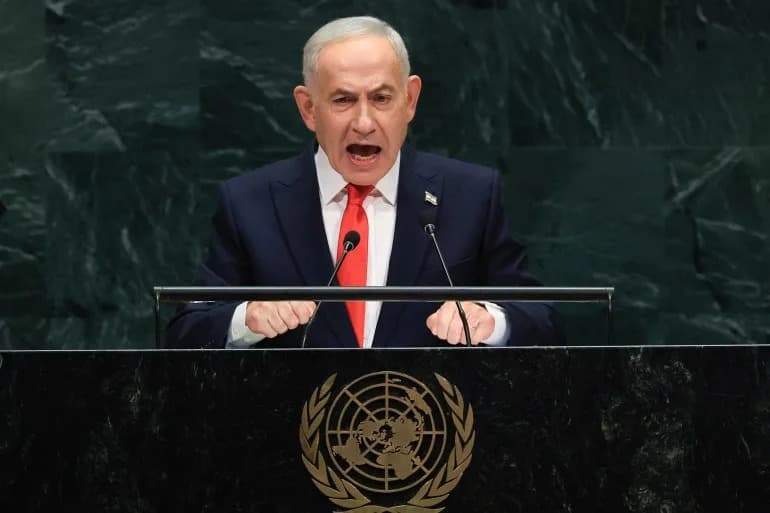
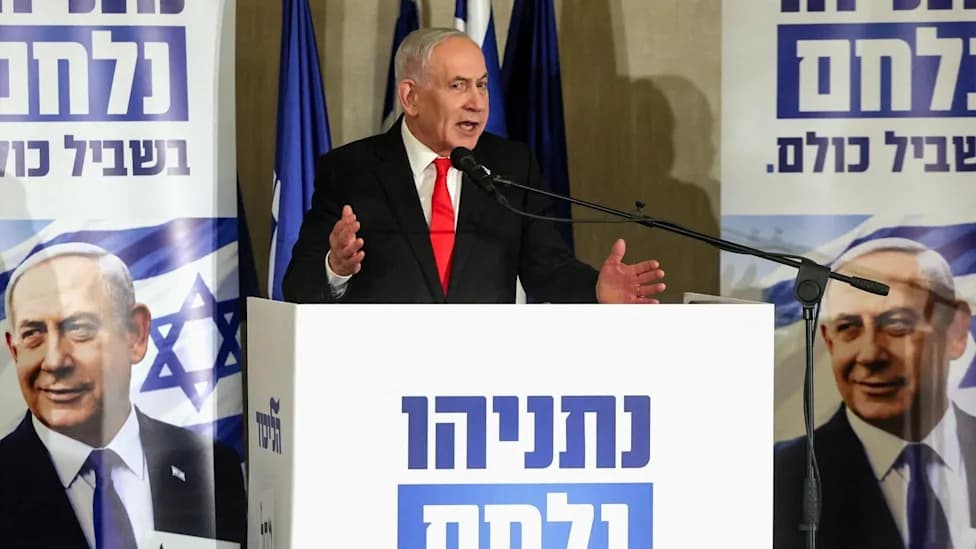
Journalists' organisations, opposition leaders and many media outlets point to Prime Minister Benjamin Netanyahu and his political allies — who frequently accuse mainstream outlets of bias and even of aiding Israel's enemies — as having contributed to a climate of hostility. Critics say that sustained hostile rhetoric has helped normalize intimidation and could be used to undermine confidence in the vote if the political tide turns.
The Sde Teiman Affair
Many of the explicit threats have been tied to Channel 12's reporting on the Sde Teiman affair, in which reservists were accused of allegedly sexually abusing a Palestinian detainee at a military detention facility. Channel 12 aired leaked footage related to the case in August 2024; the reporting led to criminal charges against several reservists and contributed to the resignation of the army's top legal officer. Under pressure from right-wing politicians and commentators, the new military advocate-general later closed the case, citing evidentiary and procedural flaws.
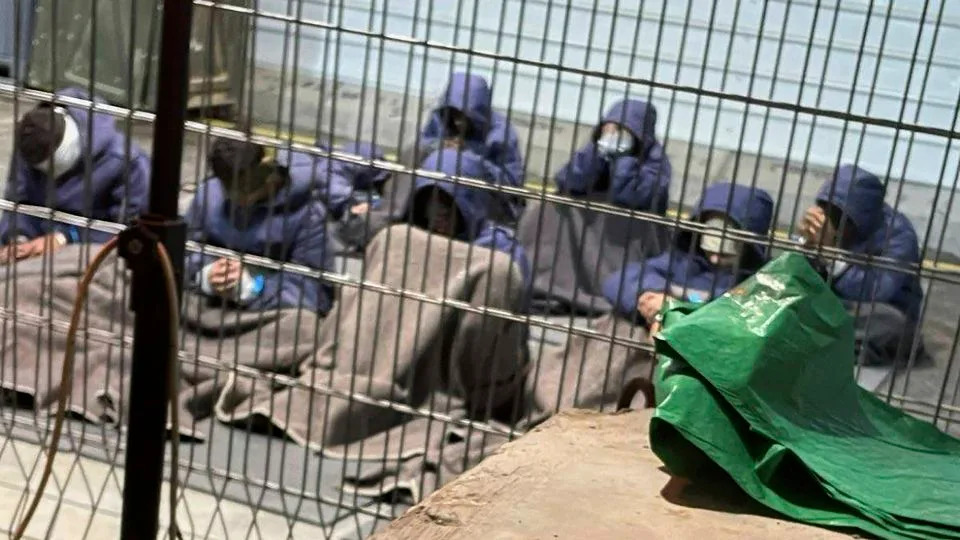
This 2024 photo provided by Breaking The Silence, a whistleblower group of former Israeli soldiers, shows prisoners with their hands and legs restrained in the yard at the Sde Teiman military prison in southern Israel. - Breaking The Silence/AP
"The blood of Channel 12 journalists is not up for grabs," the network said in a statement after Tuesday's incident.
Examples of Harassment
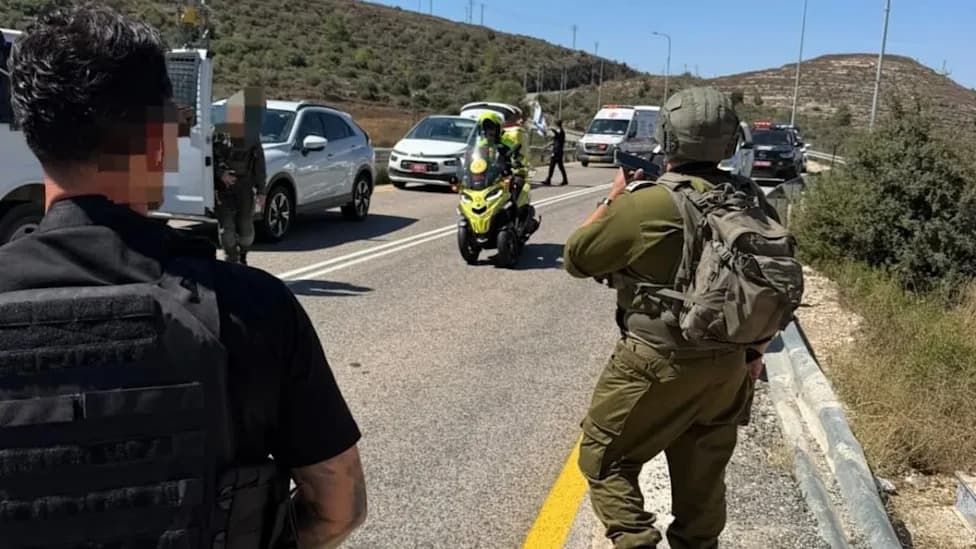
Incidents reported in recent months include masked attackers smashing entrances at both Channel 12 and the left-leaning newspaper Haaretz, threatening graffiti near Channel 12 offices and outside a journalist's home, filmed street confrontations and targeted billboards. Some activists involved in confrontations with reporters have been welcomed by prominent coalition figures, illustrating the porous boundary between partisan activism and intimidation.
Responses, Investigation and Legal Stakes
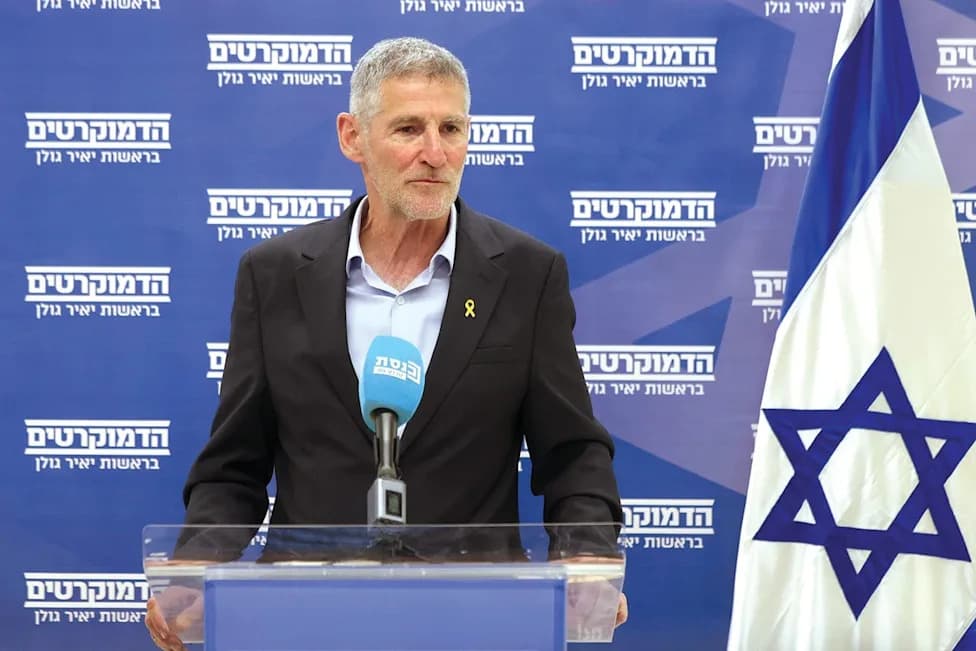
Police arrested a suspect in the Channel 12 attack, and a police source told CNN that the Shin Bet internal security service is also involved in the probe. While some government ministers condemned the vandalism, many critics note that such condemnations were often coupled with renewed criticism of the mainstream media. Opposition figures including Gadi Eisenkot and former prime minister Yair Lapid accused the government of running a campaign of incitement against journalists and said the attacks risk undermining the electoral process.
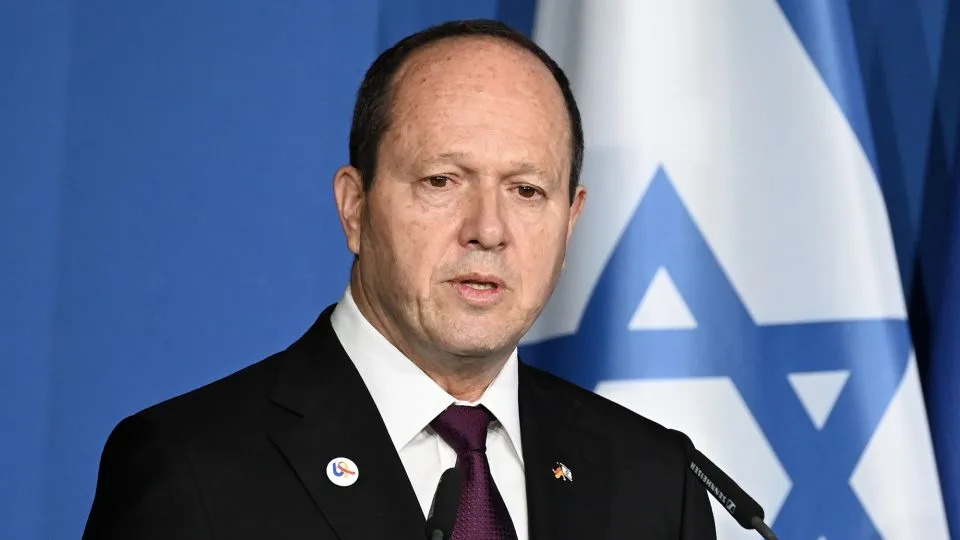
Nir Barkat, Minister of Economy and Industry of the State of Israel, speaks at the German-Israeli Economic Forum in Berlin on January 27. - Elisa Schu/picture alliance/Getty Images
Press Freedom Trends and Regulatory Changes
Israel's standing on international press freedom measures has declined: Reporters Without Borders ranked Israel 116th out of 180 countries in its 2026 World Press Freedom Index, down from 112 the year before and 86 in 2022. Reporters Without Borders cited wartime restrictions, expanded security-based censorship and limits on coverage of Palestinian issues as key factors.
At the same time, the government has overhauled the media regulatory framework with a recently passed broadcasting law that replaces the independent regulator with political appointees empowered to fine and sanction outlets, while easing constraints on Channel 14, a network aligned with Netanyahu's political base. Broadcasters, opposition lawmakers and civil society groups have petitioned the High Court of Justice to strike down the law; the court has issued an interim order blocking immediate implementation pending a full ruling.
What This Means Ahead Of The Election
Even if the High Court ultimately limits the new law's scope, legal remedies alone are unlikely to bridge the growing divide between the government and mainstream media or to erase journalists' fears about escalating threats. With tensions rising and the election looming, reporters and media organisations have called for enhanced protection and clearer political leadership condemning intimidation.
Developing: Authorities continue to investigate the Channel 12 incident. CNN contacted the Prime Minister's Office for comment; there is no public evidence linking the Prime Minister's Office directly to the attack.
Help us improve.