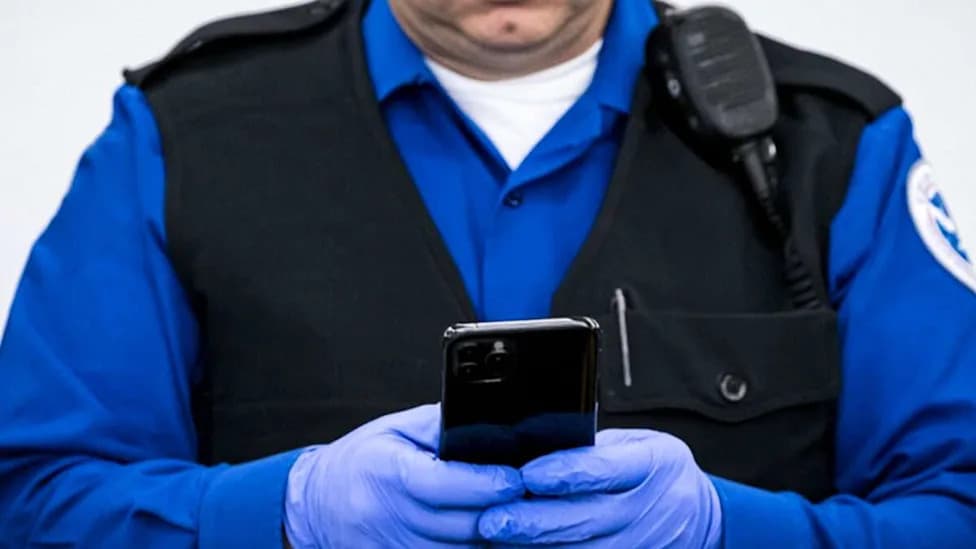
Independent reporter Max Blumenthal had two cell phones seized by U.S. border agents at Dulles Airport on 10 July after returning from Iran, following social-media posts calling for his detention. The phones were returned about a week later after the American-Arab Anti-Discrimination Committee filed an emergency motion; the government told the court it could not access the devices. U.S. District Judge Leonie M. Brinkema ordered the government to produce evidence of who handled the phones, when, and what was done, citing Fourth Circuit precedent distinguishing routine checks from advanced forensic searches. Advocates say the case raises serious First and Fourth Amendment concerns and may have broader implications for journalists' privacy and source protections.
US Reporter Fights Back After Border Agents Seize His Cell Phones; Judge Orders Government To Account For Access
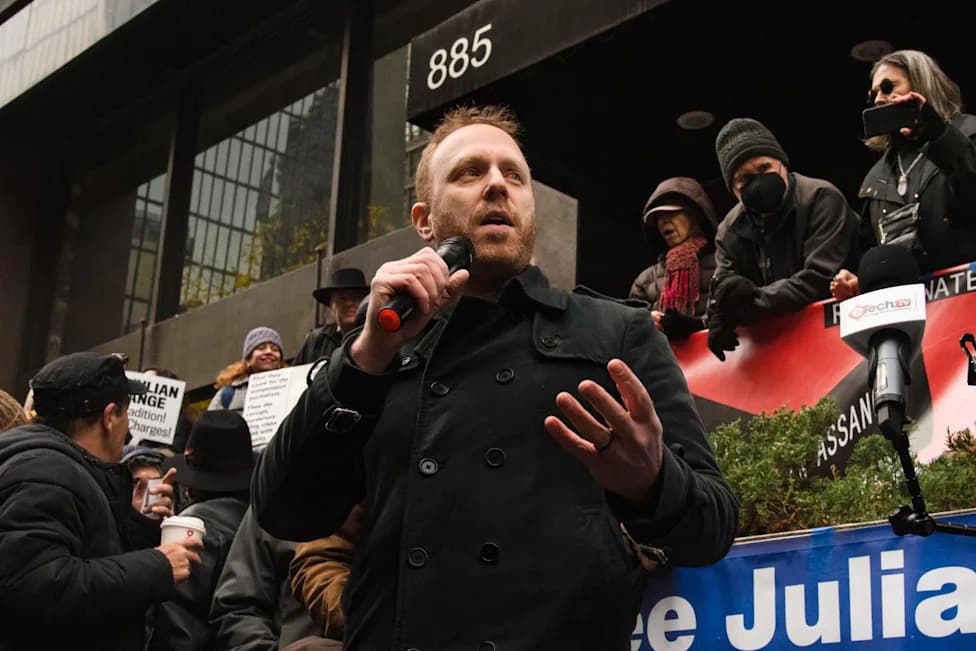
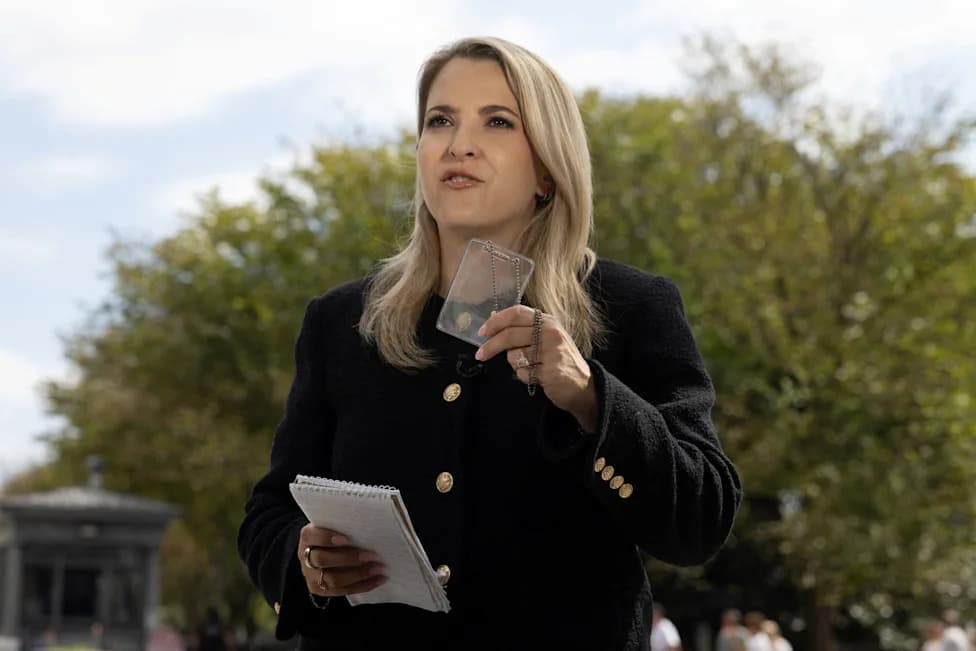
Independent journalist Max Blumenthal says he was targeted by U.S. Customs and Border Protection after returning from Iran, when agents at Washington Dulles International Airport seized two cell phones he was carrying. The phones were taken during a "secondary inspection" on 10 July, after social media posts from Trump ally Laura Loomer called for his detention on arrival.
Blumenthal, founder of the independent outlet The Grayzone, declined agents' requests to provide passcodes. His laptop and digital cameras were not seized. About a week later the federal government returned the phones — less than 24 hours after the American-Arab Anti-Discrimination Committee (AADC) filed an emergency motion in district court demanding their return. The government told the court it could not access the devices and therefore called the emergency motion moot.
Blumenthal returned to court and on Wednesday persuaded U.S. District Judge Leonie M. Brinkema to require the government to produce records showing who had custody of the phones, when, and what actions were taken with them. Judge Brinkema gave the government 14 days to respond. The judge also referenced a recent Fourth Circuit decision that distinguishes routine, voluntary device inspections from "advanced" forensic searches that copy or analyze a device's contents — the latter, the court said, generally requires a search warrant.
Press-freedom advocates say the incident raises serious First and Fourth Amendment concerns. "Blumenthal's treatment and case pose serious constitutional problems," said Seth Stern, chief of advocacy at the Freedom of the Press Foundation. Jenin Younes, president of the AADC, emphasized that agents seized only Blumenthal's phones and not his laptop or camera, suggesting an interest in contacts, messages or location data rather than general reporting materials.
The case follows other recent federal efforts to obtain journalists' information, including a failed attempt to subpoena New York Times reporters, and it mirrors another recent airport-phone seizure case involving an activist opposed to Atlanta's "Cop City" police-training facility.
Judge Brinkema suggested Blumenthal could have an independent forensic expert examine the phones for signs of tampering or access; Blumenthal said he is pursuing that option but noted the high cost. The government's attorney warned that some information about how the phones were handled could be protected as law-enforcement privileged material, a position that lawyers for Blumenthal say could prolong litigation.
Blumenthal, who describes himself as a "Jewish anti-Zionist," said he believes his political views and journalism made him a target. Supporters and civil-liberties groups say the court's demand for documentation about custody and access is an important check on government searches at the border and could set precedent for how similar cases are handled.
Help us improve.