The Department of Justice told a federal court on Oct. 2 that the Trump administration seeks the ability to quickly reinstate a White House ban on three news outlets if a temporary order lapses. U.S. District Judge Timothy J. Kelly issued a temporary restraining order on Sept. 24 that pauses the ban; the TRO is due to expire around Oct. 8. CNN, MS NOW and Politico have asked for longer-term protection, arguing the White House may immediately reinstate the ban if given the chance. Judge Kelly said existing evidence did not support the administration's national security claim and indicated the outlets were likely denied due process.
DOJ Seeks Fast Reinstatement Power After Trump White House Media Ban Faces Temporary Restraint
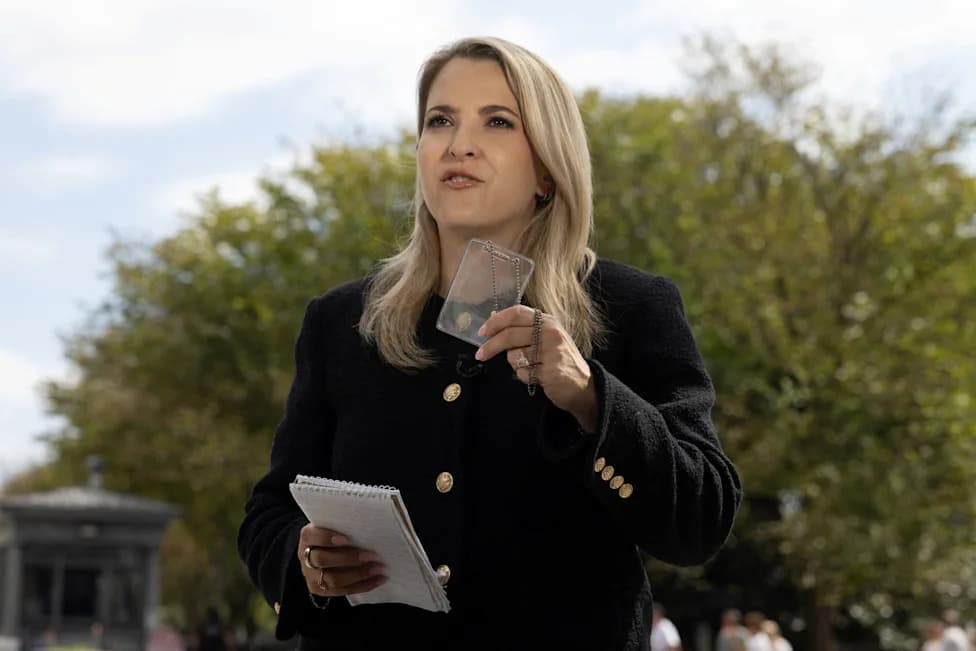
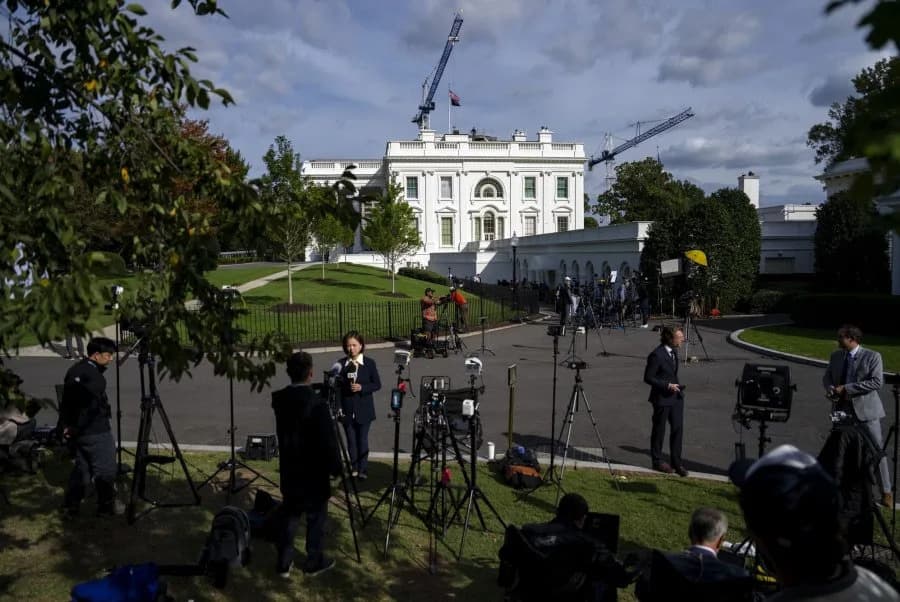
CNN correspondent Betsy Klein holds an empty credential holder as she reports from the sidewalk outside the White House after US President Donald Trump banned three major news outlets, CNN, MS NOW and Politico, from the White House in Washington, D.C., US, September 19, 2026. REUTERS/Anna Rose Layden(Anna Rose Layden, REUTERS)
Washington — In a court filing dated Oct. 2, the Department of Justice said the Trump administration wants the ability to quickly reinstate a White House ban on three major news organizations if a temporary court order lapses.
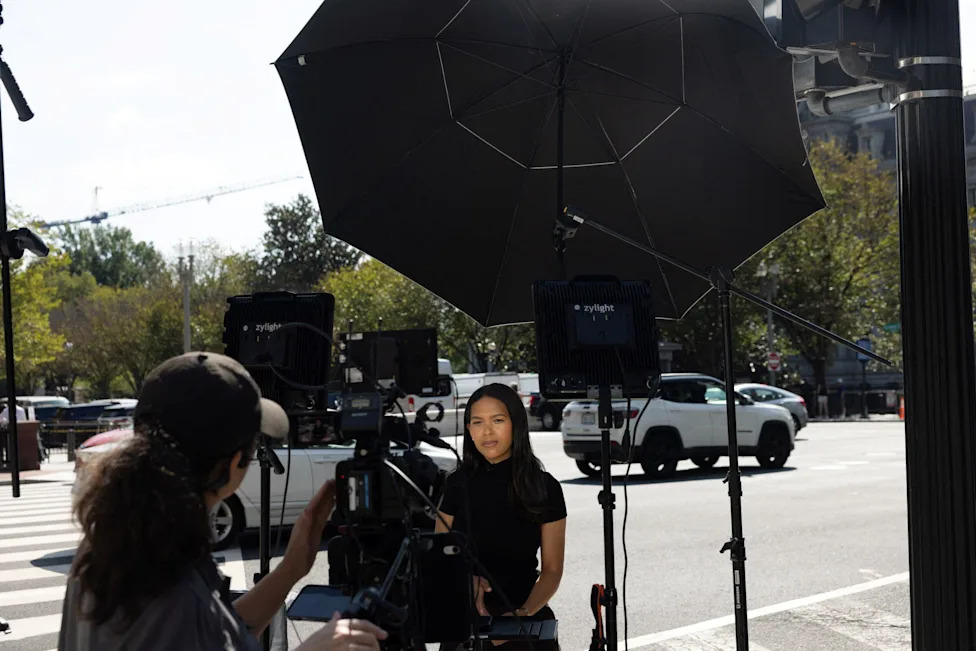
MS NOW correspondent Akayla Gardner reports from the sidewalk outside the White House after US President Donald Trump banned three major news outlets, CNN, MS NOW and Politico, from the White House in Washington, D.C., US, September 19, 2026. REUTERS/Anna Rose Layden(Anna Rose Layden, REUTERS)
DOJ attorneys representing President Donald Trump asked a federal trial court in Washington, D.C., not to issue a preliminary injunction that would prevent the administration from enforcing the ban while the court resolves whether the ban is lawful. U.S. District Judge Timothy J. Kelly, a Trump appointee, issued a temporary restraining order (TRO) on Sept. 24 that paused the ban; that TRO is set to expire around Oct. 8.
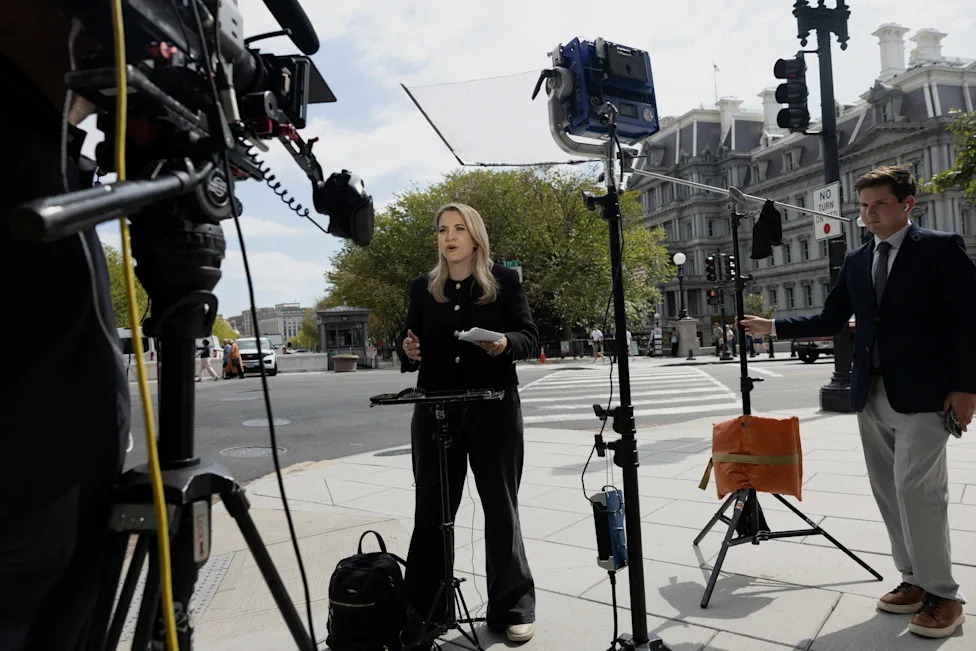
CNN correspondent Betsy Klein reports from the sidewalk outside the White House after US President Donald Trump banned three major news outlets, CNN, MS NOW and Politico, from the White House in Washington, D.C., US, September 19, 2026. REUTERS/Anna Rose Layden(Anna Rose Layden, REUTERS)
The outlets targeted by the ban — CNN, MS NOW and Politico — asked the court on Sept. 28 for longer-term protection, arguing in filings that the White House's "words and actions leave little doubt that it will immediately reinstitute a complete ban of CNN, MS NOW, and POLITICO if allowed the opportunity."
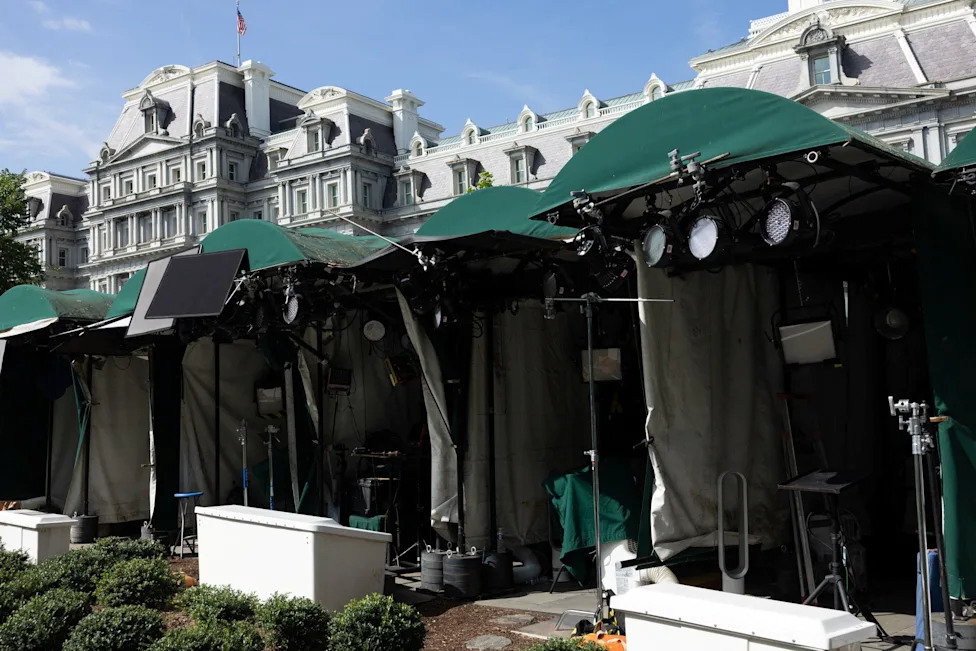
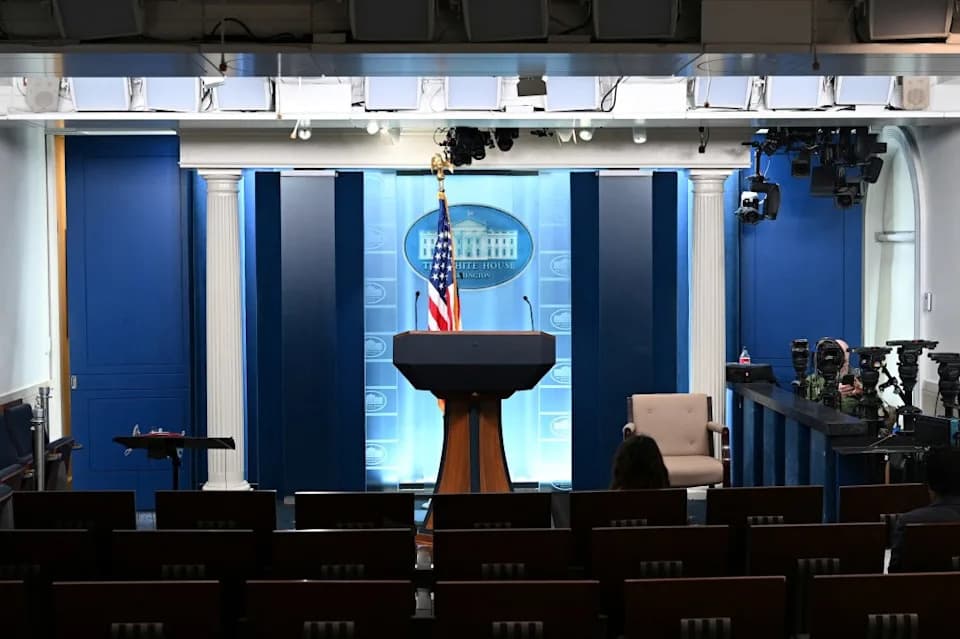
The CNN broadcasting booths at the White House are seen after US President Donald Trump banned three major news outlets, CNN, MS NOW and Politico, from the White House in Washington, D.C., US, September 19, 2026. REUTERS/Anna Rose Layden(Anna Rose Layden, REUTERS)
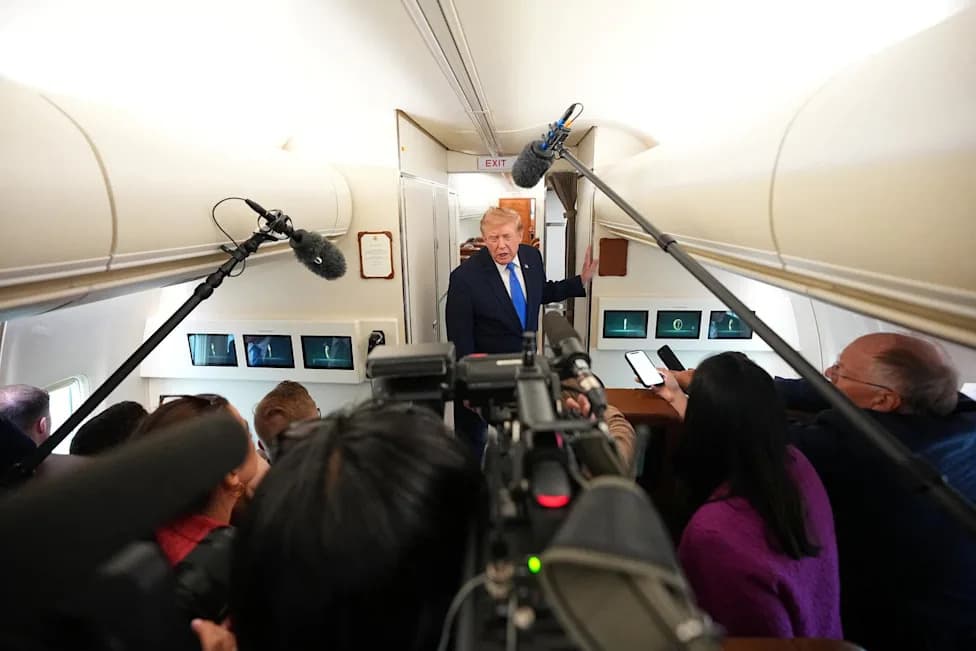
Although the administration reinstated the press credentials that allow access to the White House complex, it has barred CNN reporters from traveling on Air Force One. Free-press advocates warned that efforts to limit media access risk undermining democratic norms and public accountability.
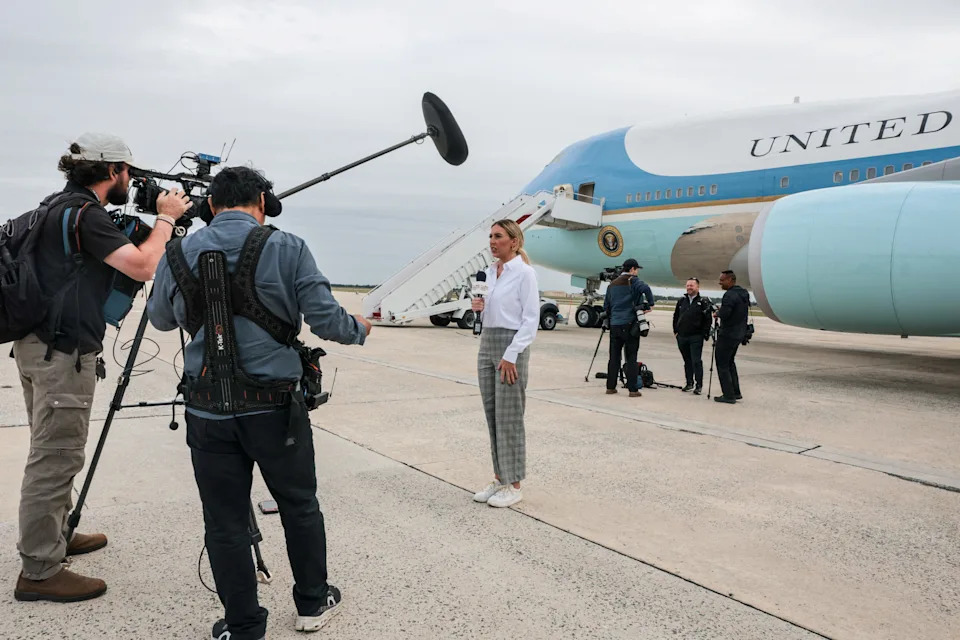
A reporter from Real America's Voice News works next to Air Force One, after the White House has blocked CNN from traveling with President Donald Trump on Air Force One for a trip on Saturday to Tennessee, at Joint Base Andrews, Maryland, US, September 26, 2026.
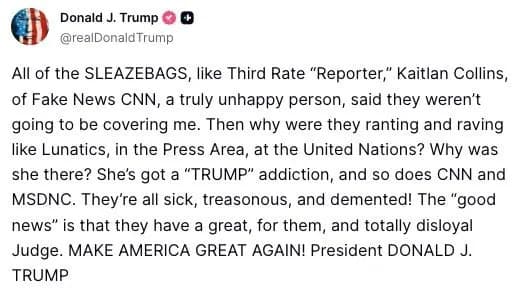
President Trump announced the ban on social media on Sept. 18 and later said he was responding to what he described as "cumulative stories over the last few years" from so-called "fake news." The affected outlets filed suit after their reporters were denied entry on Sept. 19, arguing the administration violated their constitutional rights to free speech and to due process before revoking access.
In court, the administration contended that physical access to the White House is a privilege rather than a right and asserted that the targeted outlets pose national security risks because of their reporting on classified or sensitive information. The plaintiffs, however, say the ban was retaliatory and lacked the procedural protections required before revoking long-standing press credentials.
Judge Kelly, in his Sept. 24 order suspending the ban for 14 days, wrote that "none of the evidence that existed before the news organizations sued suggested" national security concerns were the true motivation and concluded the outlets were likely deprived of due process.
While the ban prevents in-person access to the White House complex, it does not prohibit the organizations from reporting on the president. The dispute now hinges on whether the court will extend protective relief for the outlets or allow the administration the opportunity to reimpose the restrictions while litigation continues.
Originally published in USA TODAY.
Help us improve.