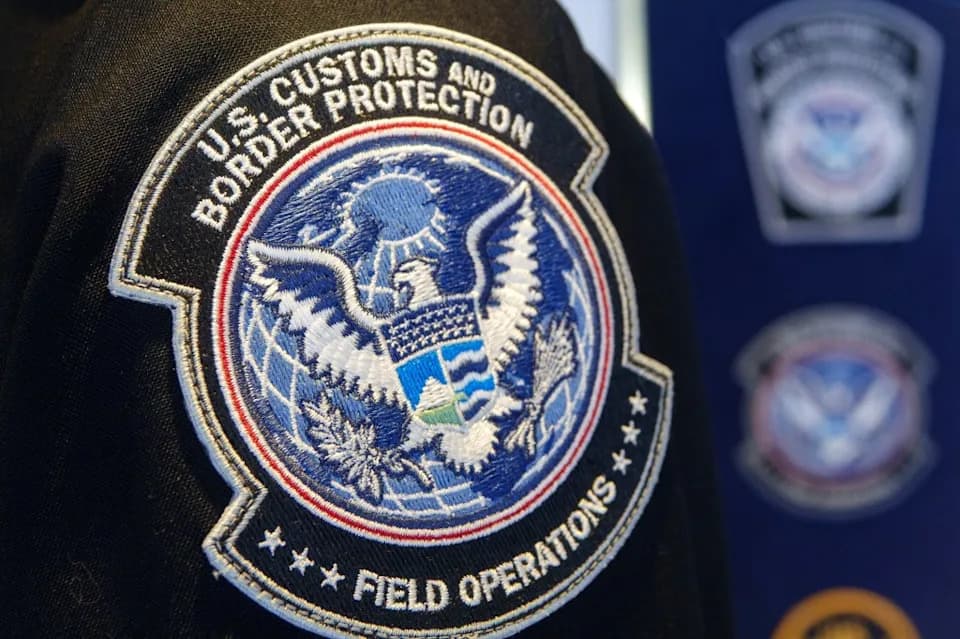
Overview: Two Florida residents — former assistant state attorney Jalal “Jay” Shehadeh and researcher Thomas Kennedy — sued CBP after agents seized their phones during international travel and allegedly searched data despite warnings of attorney-client privilege. The plaintiffs seek return and deletion of any copies under Rule 41(g) and raise Fourth and First Amendment concerns. The cases come as CBP reported a record 14,899 electronic searches in a recent quarter and as related disputes head toward potential Supreme Court review.
Two Floridians Sue CBP After Phones Were Seized at the Border
Adani Samat/Midjourney
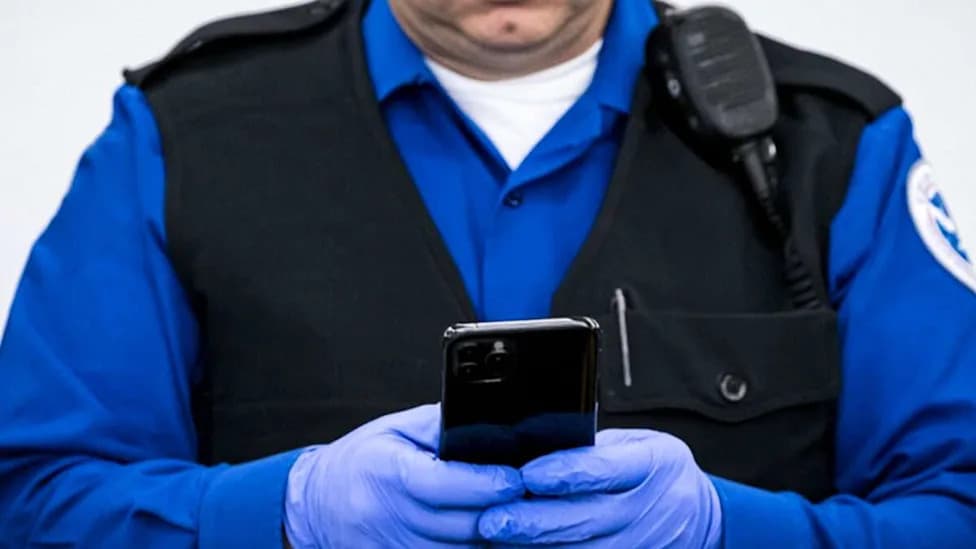
Jalal “Jay” Shehadeh and Thomas Kennedy have filed lawsuits against U.S. Customs and Border Protection (CBP) after agents seized their cellphones during international travel and, they say, searched or copied data despite warnings that attorney-client privileged material might be present.
What Happened
Shehadeh, a former Florida assistant state attorney and Global Entry enrollee, was detained for four hours at Newark Liberty International Airport and had his phone taken without explanation. He says CBP asked him to identify apps that might contain privileged communications before seizing the device.
Kennedy, an Argentinian-American Ph.D. student and immigration researcher who helps coordinate cases for a Miami law firm, was flagged by an automated kiosk at Miami International Airport. After refusing an initial search, he says agents warned they could hold his phone indefinitely; they ultimately took the device and returned it after a two-hour detention. Kennedy reports later receiving alerts from online platforms about attempted logins tied to his accounts.
Legal And Constitutional Issues
Federal law allows limited searches at the border under the so-called border exception to the Fourth Amendment, but courts are divided about whether that authority extends to extensive intrusions into travelers’ electronic devices and data. Between April and June of this year, CBP reported a record 14,899 electronic searches at the border.
Both plaintiffs are relying on Rule 41(g) — the federal motion that can require the government to return property seized when it is no longer needed for a criminal prosecution — and seek not only the return of devices or data but also deletion of any copies CBP made. Kennedy also alleges retaliation in violation of the First Amendment, saying agents questioned him about his public activities and materials in his luggage.
Privilege And CBP Protocols
Attorney-client privilege is a long-established protection against government review of confidential lawyer-client communications. CBP internal guidance instructs agents who encounter potentially privileged material to seek clarification and consult the agency's chief counsel about segregating protected data. Plaintiffs say in practice agents did not follow those procedures and, in some instances, suggested counsel could still view privileged content.
Broader Context And Precedent
Advocates and lawyers representing the plaintiffs point to recent litigation wins and pending high-profile cases. Journalist Max Blumenthal secured judicial permission to pursue discovery about what CBP did with seized electronics despite the agency's contention that returning devices mooted the case. Immigration lawyer George Anibowei has petitioned the Supreme Court after multiple phone searches; the Court ordered the government to respond to his cert petition by October 29, indicating possible review.
CBP Statement: A CBP spokesperson said electronic searches help detect digital contraband, terrorism-related content, and information relevant to admissibility and national security. The statement did not address the lawsuits directly.
Why It Matters
Plaintiffs and civil-rights advocates warn that routine, unreviewed access to travelers’ devices threatens Fourth Amendment protections against unreasonable searches and may chill First Amendment activity, particularly for attorneys, activists, journalists, and critics of government policy who travel internationally.
Jenin Younes, national legal director for the American-Arab Anti-Discrimination Committee, representing some plaintiffs, urged courts to clarify electronic-search authority at the border and reaffirm constitutional protections for private communications on digital devices.
Note: This article summarizes ongoing litigation and statements by litigants and their counsel. CBP and government officials have offered limited public comment beyond the agency's general statement on electronic searches.
Help us improve.