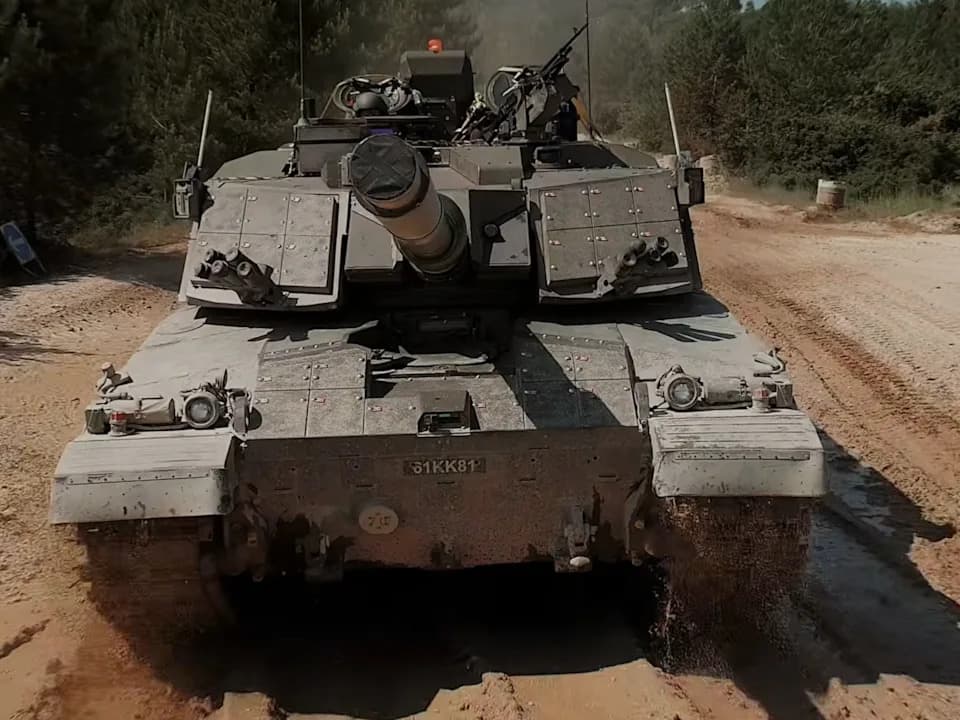
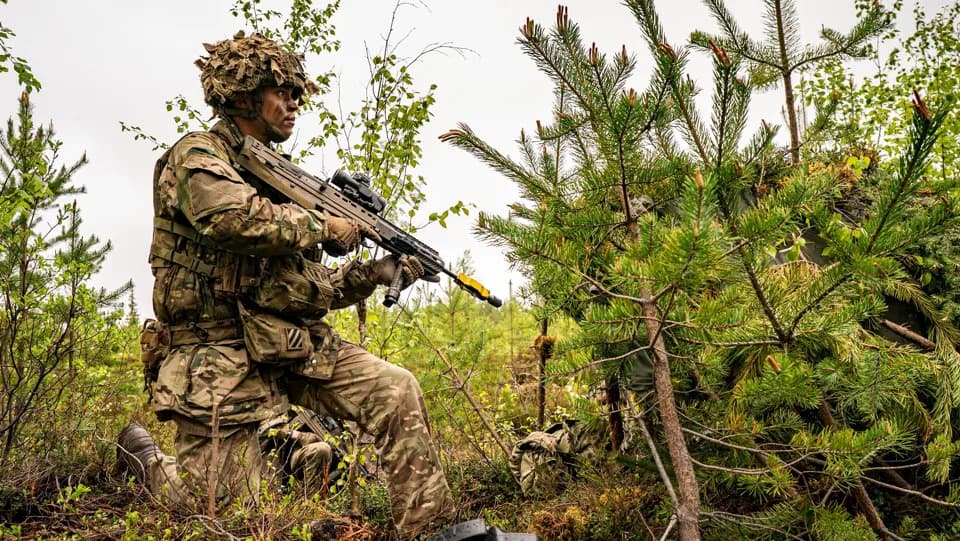
Lord Richard Dannatt warns that the 3rd (UK) Division faces "woeful" equipment shortfalls that may leave it under‑strength even after Challenger 3 tanks arrive. Britain has ordered 148 Challenger 3s, but the division could still be short by around 42 tanks. The report also highlights delays to Boxer deliveries (100 of 623 delivered) and questions the Royal Navy's shift toward uncrewed vessels. Analysts urge clearer funding commitments, including a possible 3% of GDP defence target by 2030, to close capability gaps.
Former Army Chief Warns 3rd (UK) Division Faces 'Woeful' Shortfalls In Tanks And Armoured Vehicles
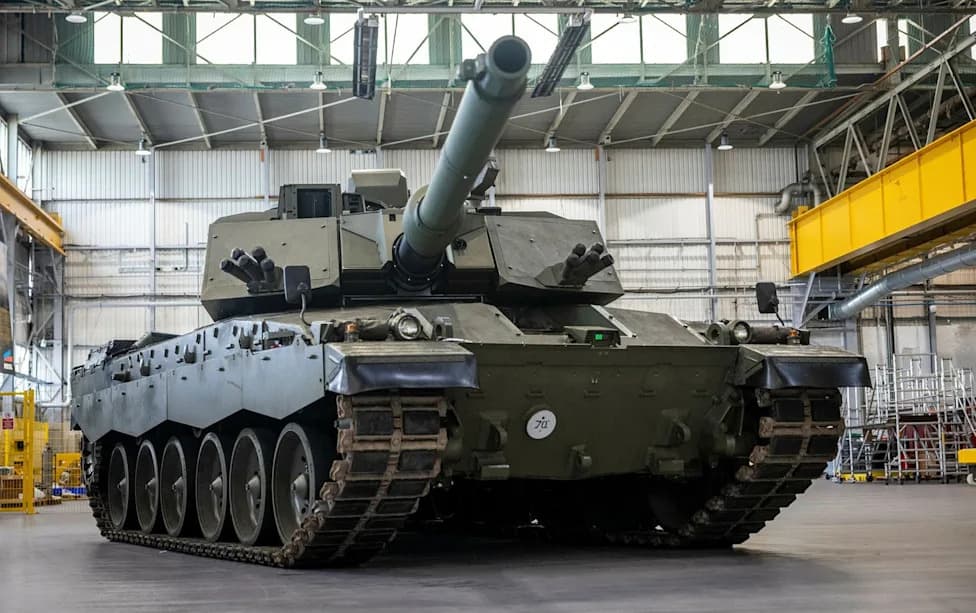
Britain has ordered a fleet of 148 Challenger 3s - MoD
A former head of the British Army has warned that the 3rd (UK) Division — the service's premier armoured formation — is facing significant shortfalls in new tanks and armoured platforms that threaten its frontline readiness.
Key Findings From The 878 Report
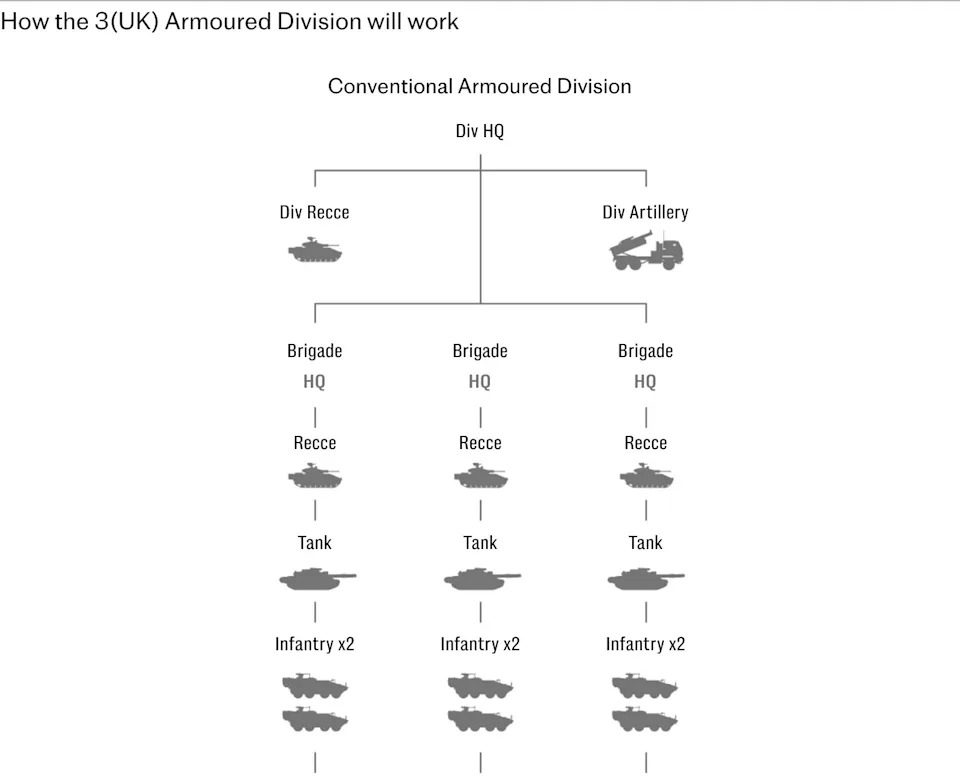
In a foreword to a report published by 878, a British‑American think tank co‑founded by Jacob Rees‑Mogg, Lord Richard Dannatt — Chief of the General Staff from 2006 to 2009 — described the division's equipment gaps as "woeful." The report finds that, even after the arrival of Challenger 3 tanks, the division could be short by 42 tanks compared with the numbers needed for full operational capability.
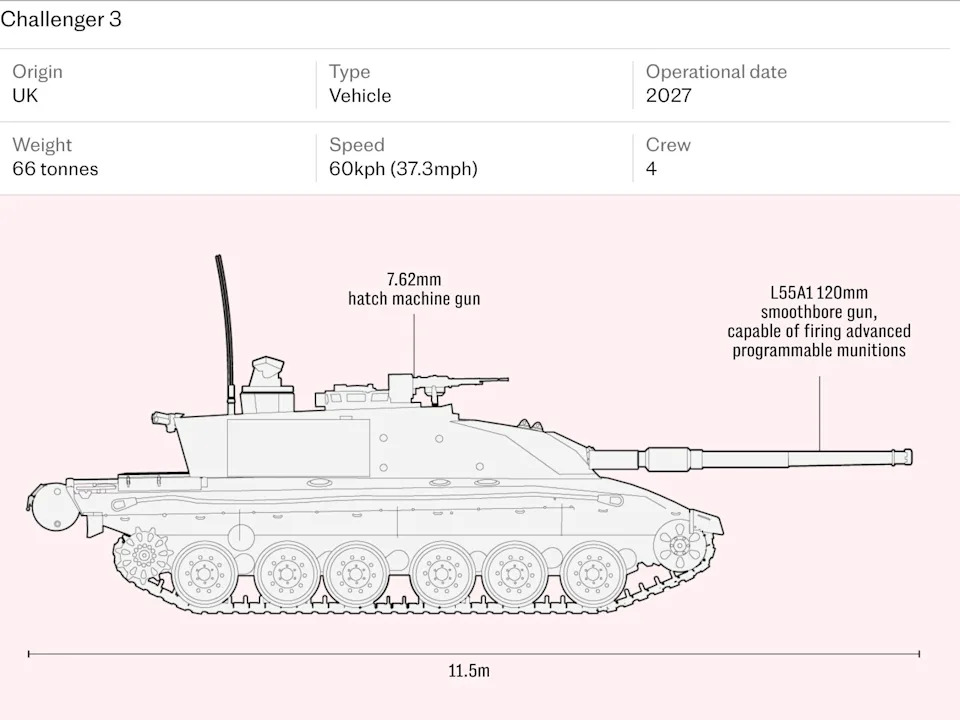
2104 Challenger 3
"The 3rd (UK) Division's equipment shortfalls are woeful," Lord Dannatt wrote. "Andy Burnham may promise us the best social care system in the world, but what is the value of good care if we are not fundamentally secure? Priorities, Prime Minister — that is your job, not wishful thinking."
Challenger 3 And Armoured Fleet Numbers
Britain has ordered 148 Challenger 3 tanks for just under £1 billion. Developers say the Challenger 3 will feature heavier armour, upgraded weapons and improved sensors, with deliveries expected to begin next year. The new tanks are intended to equip three regiments in 3rd (UK) Division — the King's Royal Hussars, the Queen's Royal Hussars and the Royal Tank Regiment — but the report warns those numbers will still leave the division under strength when the vehicles arrive.
Concerns Over Boxer And Warrior Replacement
The report also raises alarm about delays to the Boxer armoured vehicle programme, which is intended to replace the ageing Warrior fleet and become the backbone of mechanised infantry units. Only 100 of the 623 Boxer platforms ordered have been delivered so far, creating a risk of a capability gap as Warrior vehicles are phased out.
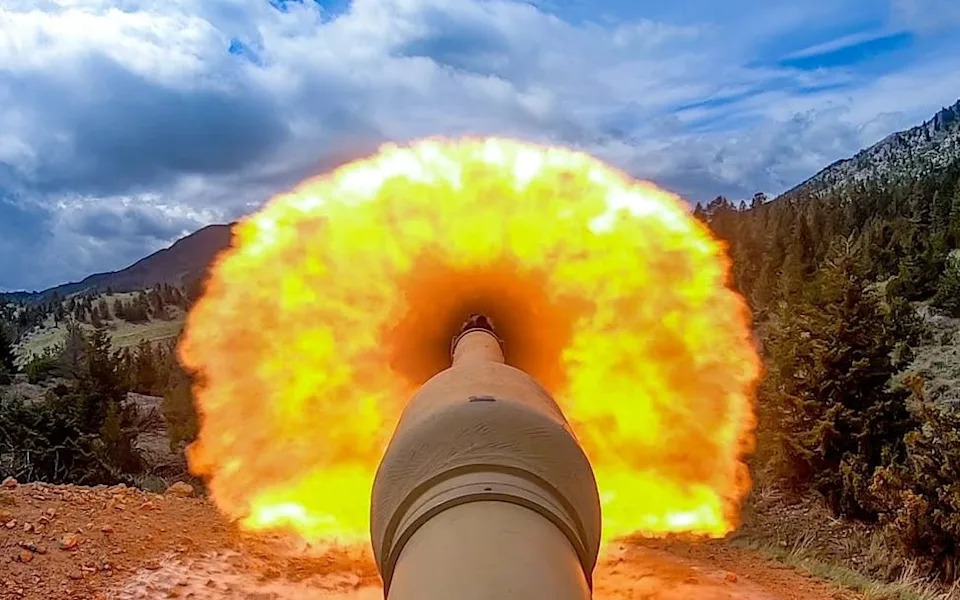
British soldiers fire a Challenger 3 during training at Limestone Hills - Sgt. 1st Class Chris Hoffert
Other Force Posture Changes
The MoD has said it will withdraw Challenger 2 tanks from Estonia next year and replace them there with a drone‑based "anti‑armour force," arguing that uncrewed systems will be more agile and harder to target. The Challenger 2s are due to be upgraded to Challenger 3 standard.
Naval Strategy And Uncrewed Vessels
The 878 authors were sceptical about the Royal Navy's pivot to a "hybrid" fleet of fewer manned ships supported by a larger number of uncrewed vessels. That shift has contributed to the cancellation of the planned Type 83 destroyer. Instead, the Navy will invest at least £1.3 billion over the next four years in multiple classes of drone ships and six crewed Common Combat Vessels to command them. The report warns that designing, building and proving these platforms by 2035 is a tight schedule for a procurement system it describes as moving at "glacial speed."
The study also questions whether an uncrewed‑heavy fleet will deliver the same deterrent effect as conventional warships and predicts potential adversary efforts to probe, jam or deny uncrewed systems.
Funding And Political Implications
The paper renews pressure on political leaders to set clearer defence spending plans. The Government has pledged £298 billion in defence spending over the next four years under its investment plan, but the report notes a roughly £5 billion shortfall that still needs to be identified. Some commentators and MPs have urged a commitment to reach a 3% of GDP defence spending target by 2030 to address capability gaps.
The Ministry of Defence was approached for comment.
Help us improve.