Summary: This week brought decisive moments: polls show Abdul El-Sayed leading in Michigan's Senate primary and Francesca Hong atop a chaotic Wisconsin gubernatorial contest, both potential bellwethers for the Democratic Party's direction. Dr. Anthony Fauci invoked the Fifth during a contentious hearing, while Todd Blanche's AG nomination stalled amid disputes over Trump's alleged $1.8 billion fund. Sen. McConnell remains in recovery, an Ohio Republican faces renewed domestic allegations, and the Senate began debate on a sanctions bill that would grant the president controversial tariff powers aimed at Russia.
A Pivotal Week Ahead: Midwestern Primaries, Fauci Hearing, and a Fight Over Tariff Power
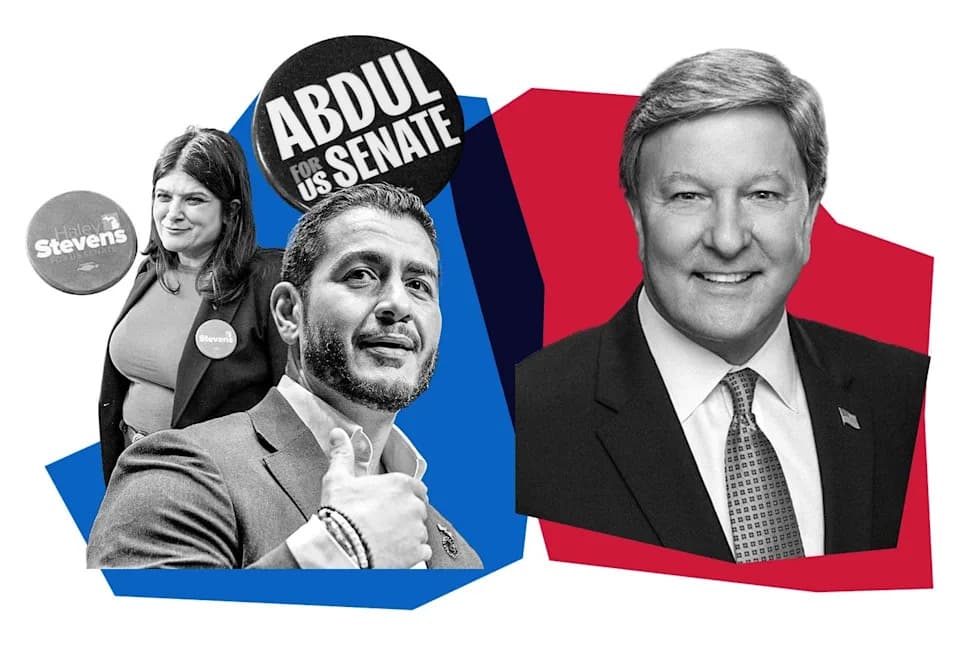
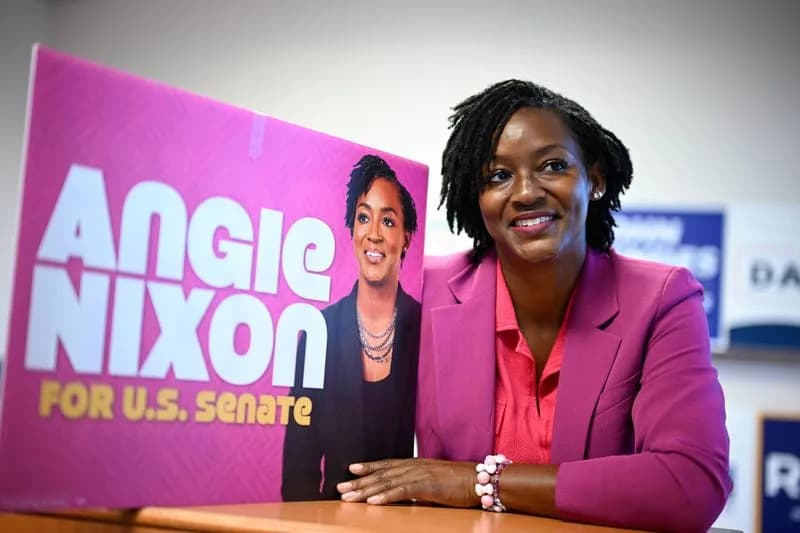
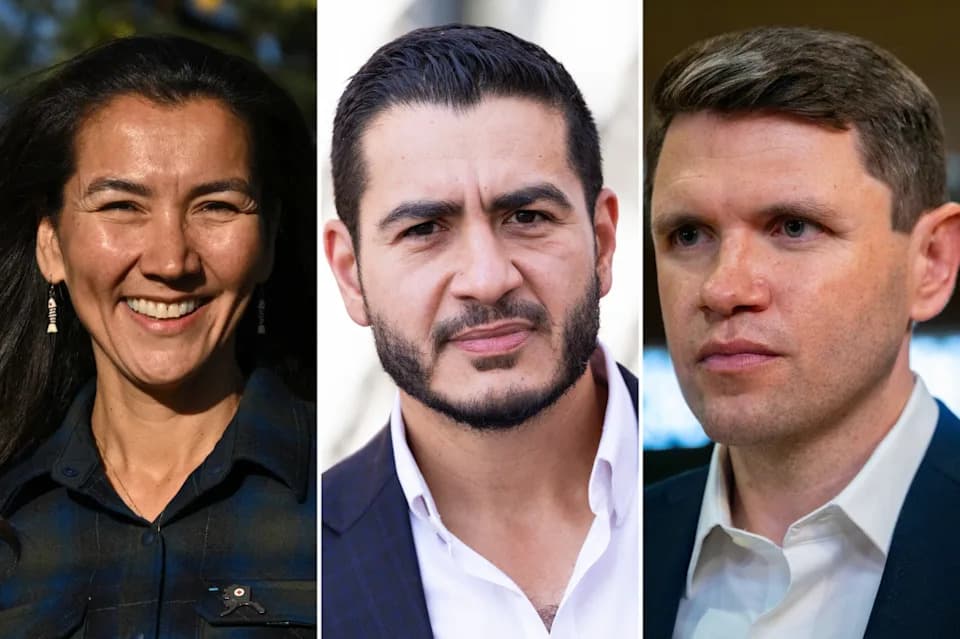
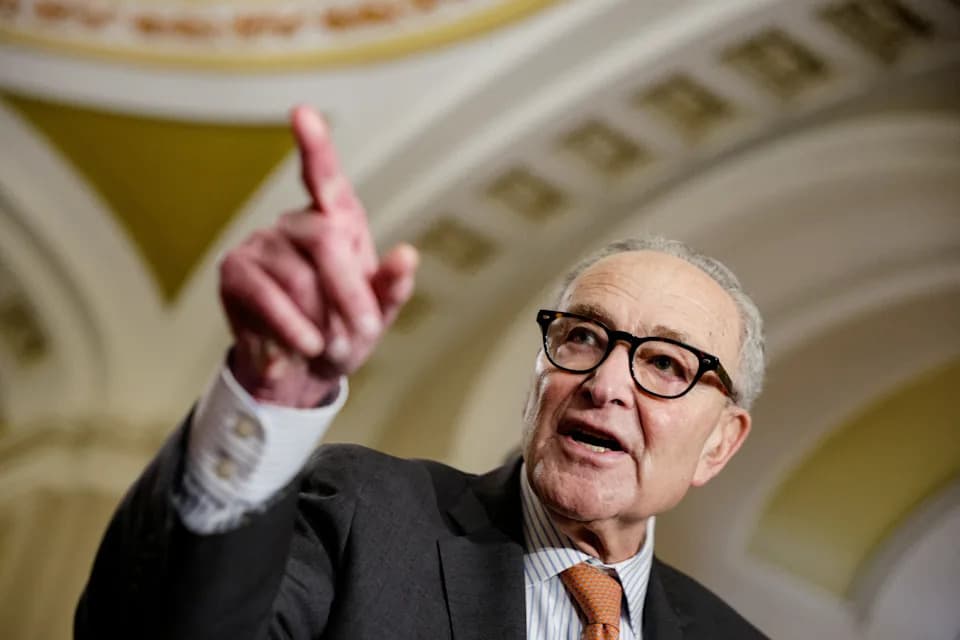
Photo illustration by Slate. Photos by Emily Elconin/Getty Images, Bill Pugliano/Getty Images, Sarah Rice/Getty Images, and U.S. Congress.
Welcome to this week's edition of the Surge. A flurry of developments — from two consequential Midwestern primaries to a combative Senate hearing and a contentious sanctions bill — could reshape both short-term politics and longer-term party strategy.
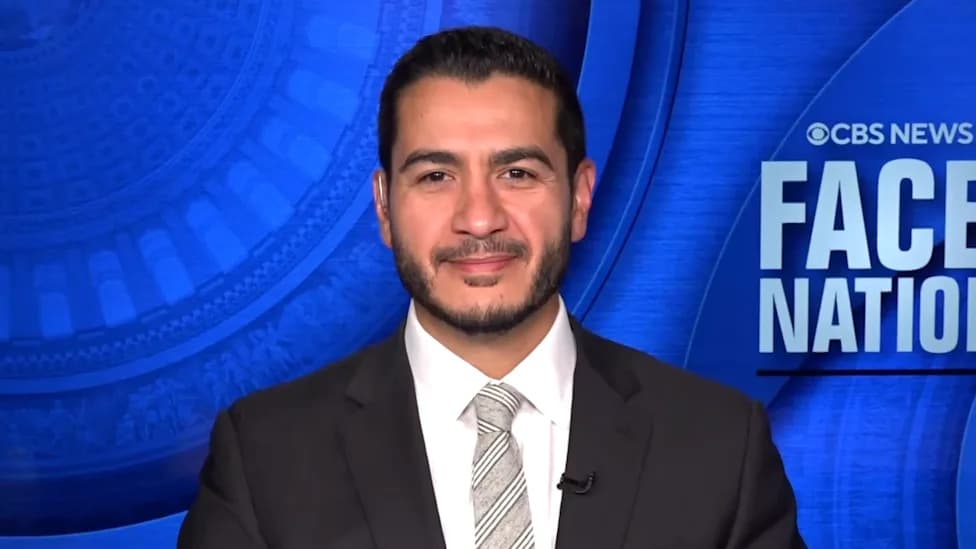
Michigan Senate Primary: The most-watched Senate primary in the country reaches its conclusion this Tuesday, as Michigan Democrats choose between progressive insurgent Abdul El-Sayed and moderate Rep. Haley Stevens to face former GOP Rep. Mike Rogers this fall. Recent polls tilt decisively toward El-Sayed: Tavern Research moved from Stevens +1 in a head-to-head to El-Sayed +11, and Emerson shows El-Sayed ahead by 15. If El-Sayed becomes the nominee, Michigan will offer an immediate test of how progressive populism performs in a purple state; a win could encourage bolder primary choices nationwide, while a loss would likely push voters back toward more conventional nominees.
Wisconsin Gubernatorial Primary: What began as an establishment consolidation around Lt. Gov. Sara Rodriguez has turned chaotic: Rodriguez suspended her campaign amid campaign-finance reporting questions, a former rival re-entered, and former Lt. Gov. Mandela Barnes withdrew citing weak support and renewed scrutiny over past allegations. Amid the shuffle, state Rep. Francesca Hong — a part-time bartender and member of the Democratic Socialists of America — has emerged with a steady lead. Control of Wisconsin's governorship carries national import because the office shapes administrative policy in a frequent presidential battleground.
Fauci Hearing: Sen. Rand Paul led a contentious hearing this week that compelled Dr. Anthony Fauci — the federal government's former top COVID adviser — to answer questions about alleged funding of gain-of-function research, candor to Congress, and his public guidance during the pandemic. Paul released Fauci's COVID-era diary ahead of the session. Fauci invoked the Fifth Amendment during the hearing; the newsletter notes that President Biden issued Fauci a pardon on Jan. 19, 2025, covering possible offenses dating back to the start of 2014, a factor that influenced Fauci's decision to decline questioning.
Todd Blanche Nomination: The Senate Judiciary Committee delayed a confirmation vote on Todd Blanche's nomination for attorney general after Senators John Cornyn and Thom Tillis sought a written assurance that President Trump's reported $1.8 billion fund is truly defunct. The White House resisted that written pledge, underscoring continuing suspicion about the fund's status. Trump proposed withdrawing Blanche's nomination temporarily but keeping him as acting attorney general through the current Congress and renominating him in 2027 — a proposal that raises legal and political questions and risks future Senate opposition.
Mitch McConnell's Recovery: Senate Republican Leader Mitch McConnell, hospitalized on June 14 after an apparent cardiac arrest, issued another update and photo this week indicating doctors still limit his activities while he rehabs. Kentucky Gov. Andy Beshear urged McConnell to publicly demonstrate his capacity to serve or to resign. The newsletter argues that, from a partisan perspective, Democrats may prefer McConnell to take the time he needs, since Kentucky law does not allow the governor to appoint an interim senator and a special election is the only alternative.
Ohio Congressman Under Scrutiny: An Ohio Republican congressman identified in reporting as Miller faces renewed domestic-allegation headlines from his ex-wife, Emily Moreno — daughter of Ohio Sen. Bernie Moreno. Recent court filings allege serious misconduct, which Miller denies; he has counter-sued for defamation. While Miller's district favored Trump in 2024, private polling reportedly shows Democrat Brian Poindexter within reach, and party leaders may reconsider support if the controversies persist.
Sanctions Bill And Tariff Authority: The Senate voted 86–12 to proceed to debate on the Lindsey O. Graham Sanctioning Russia and Iran Act, which would impose new sanctions and grant the president authority to impose tariffs on the top five buyers of Russian energy. Ukrainian President Volodymyr Zelensky personally lobbied for the measure as a tool to choke off revenue for Russia's war. Democrats are sharply divided: some see the bill as a necessary step to help Ukraine, while others fear the expansive tariff authority could be abused by a president who has already weaponized trade tools for political ends.
Bottom Line: Between pivotal primaries that could nudge the Democratic Party leftward in swing-state contests, a headline-making hearing, contested nominations, and a high-stakes sanctions debate, the coming days could produce signals with ripple effects well past November.
Help us improve.