Brighton Pride launched its 35th anniversary weekend with hundreds of thousands expected to attend. Parade-goers and performers described a joyful atmosphere, while organisers highlighted that the festival has raised more than £1.4m for LGBTQ+ causes. Critics say Pride has become more commercial and lost some of its radical edge, and some trans people continue to report feeling unwelcome despite organisers' inclusion efforts.
Brighton Pride Kicks Off 35th Anniversary As Hundreds Of Thousands Head To The Seafront
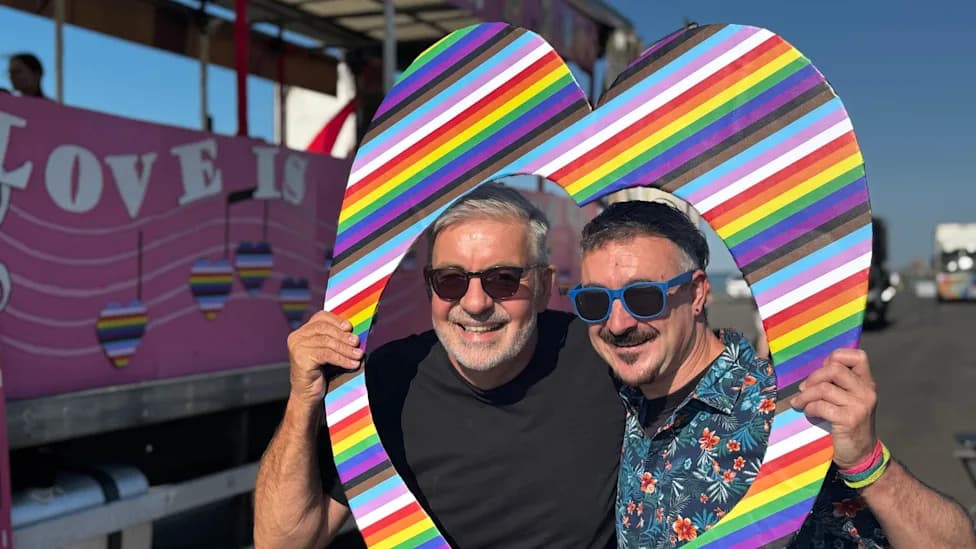
Hundreds of thousands of people are estimated to attend Brighton Pride [BBC]
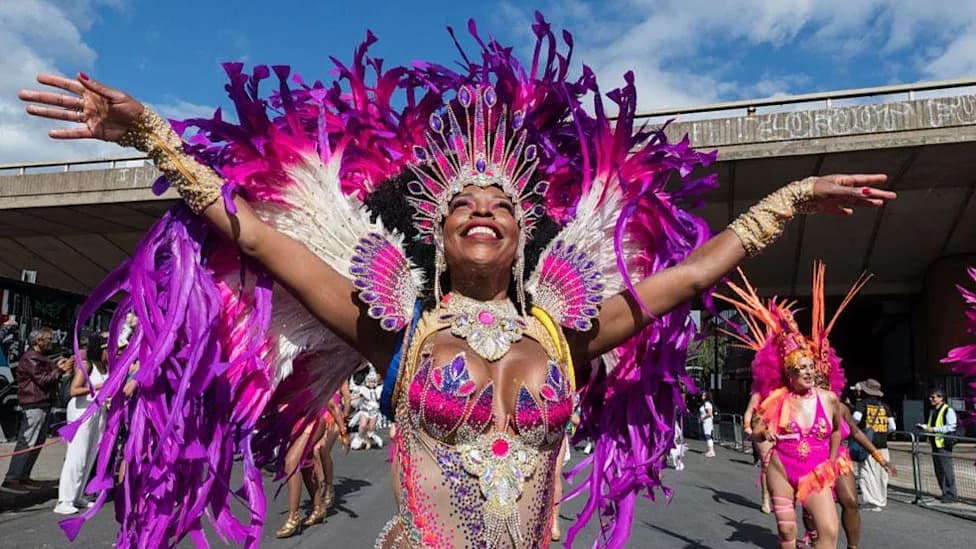
Brighton Pride has opened its 35th anniversary weekend, with organisers expecting hundreds of thousands of people to descend on the city for parades, parties and community events.
Atmosphere And Voices
Speaking to BBC Radio Sussex before the parade set off, Jack Goddard of the LGBTQ+ choir Rainbow Chorus described the atmosphere as “joyous” and said:
“We're going to be dancing the day away. It's going to be brilliant.”
Regan Burree, who works for Greater Thameslink Railways, told the BBC Pride remains important for visibility in traditionally male‑dominated industries: “It's so diverse now – this is us all celebrating it here.”
Events, Route And Tickets
The parade begins at Hove Lawns and follows King's Road, West Street, North Street and London Road before finishing near Preston Park. A ticketed Pride on the Park festival and a Pride Street party on Marine Parade run across the weekend. Standard tickets for Pride on the Park range from £45 to £350, with a limited number of discounted options available.
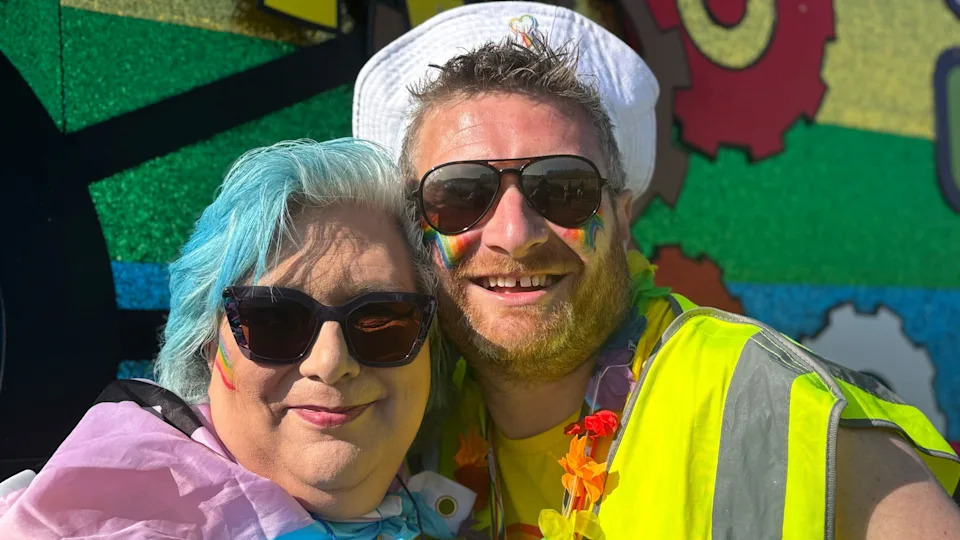
Regan Burree (left) said she is celebrating diversity [BBC]
Funding, Benefits And Criticism
Organisers say the festival brings a significant economic boost to the city and has raised more than £1.4m for LGBTQ+ causes. Paul Kemp, a Brighton Pride organiser, has said the event “simply wouldn't be possible without some level of sponsorship.”
At the same time, some critics argue Pride has become overly commercialised and has lost elements of its radical roots. One attendee told the BBC the event had “lost its radical spirit in favour of corporate interests,” and said several people she knew were boycotting Pride for that reason.
History And Inclusion
Brighton Pride traces its roots to early marches protesting Section 28, a law that barred councils and schools from 'promoting' homosexuality. Abigail Dombey recalled the first 1991 march involved only a few hundred people and was both “exciting but nerve‑racking” amid a climate of hostility.
In 2025, organisers suspended formal participation by political parties at Pride events as a gesture of solidarity with trans rights. Despite that step, some members of the trans community say they still feel unwelcome at Pride, a concern organisers say they are working to address.
For more: Check the official Brighton Pride website or follow BBC Sussex for schedule updates and information on inclusion initiatives during the weekend.
Help us improve.