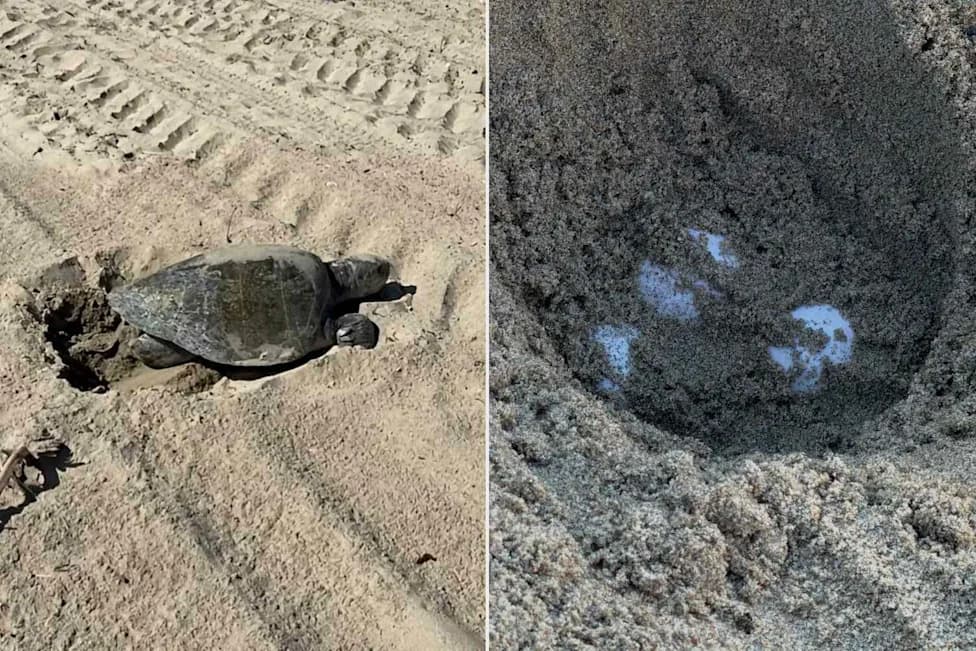
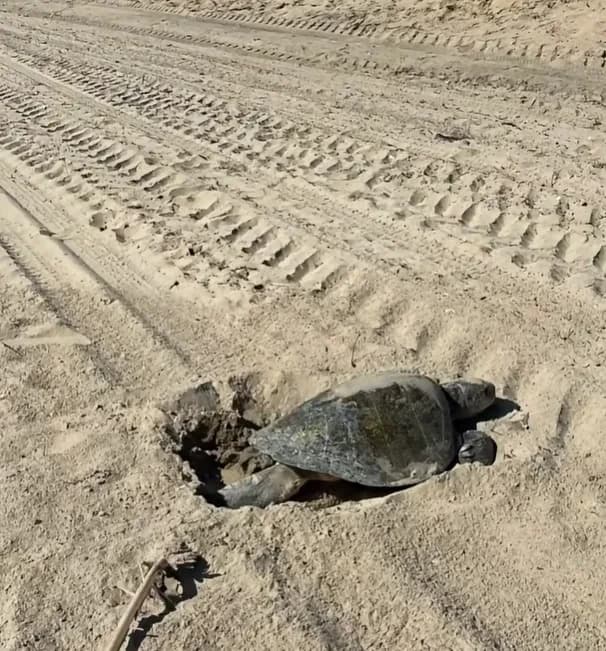
Holden Beach Has 69 Sea Turtle Nests So Far, Up From 35 Last Year. Volunteers say the higher nest count is encouraging for a species under pressure, but unusually hot sand temperatures this summer could skew hatchling sex ratios. Temperatures above about 85°F (≈29.5°C) generally produce more females; extended hot, dry spells may reduce future male numbers. Patrols monitor nests closely, often at night, and relocate those at immediate risk.
Holden Beach Records 69 Sea Turtle Nests — Heat Threat Could Skew Hatchling Sex Ratio
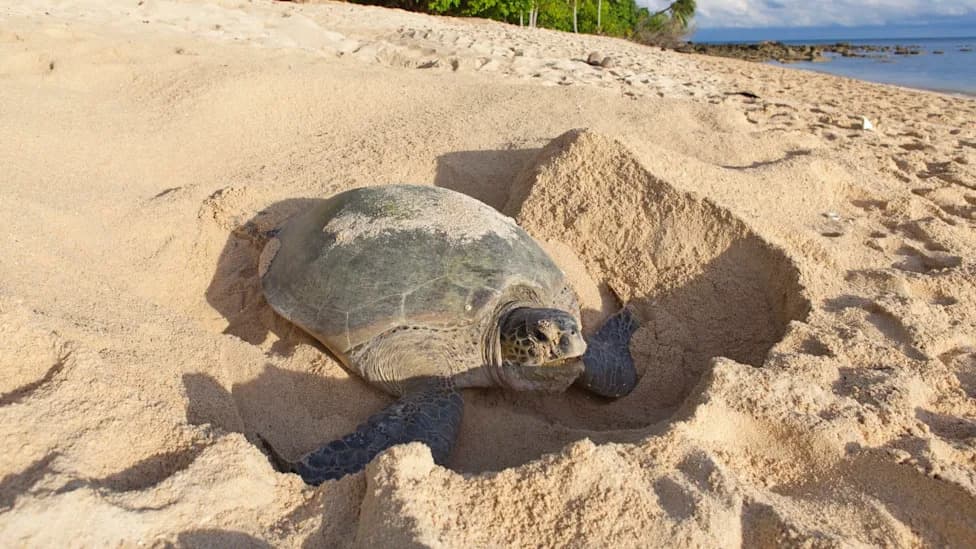
Photo Credit: iStock
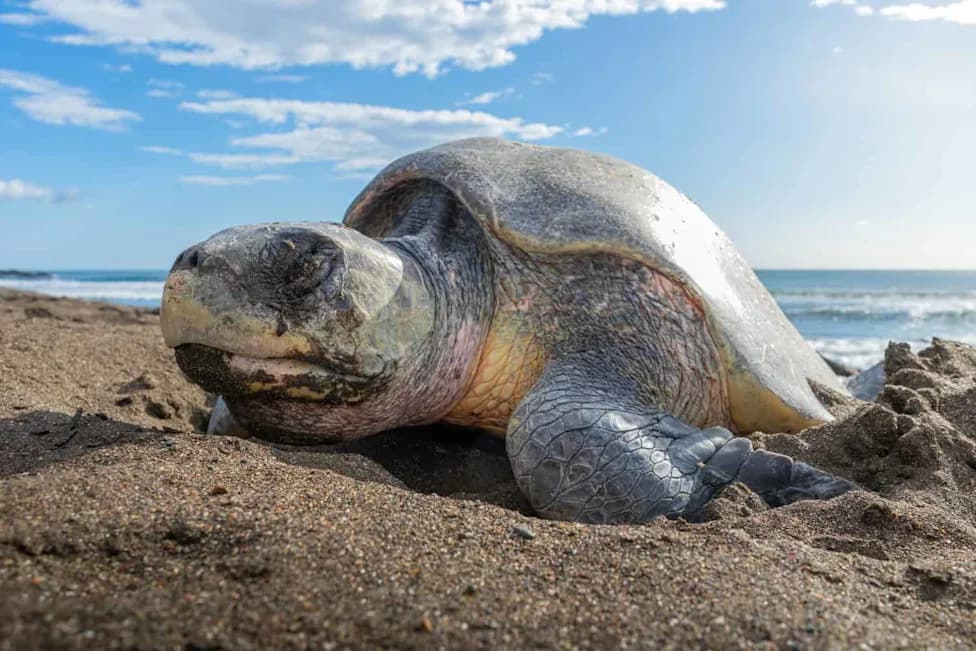
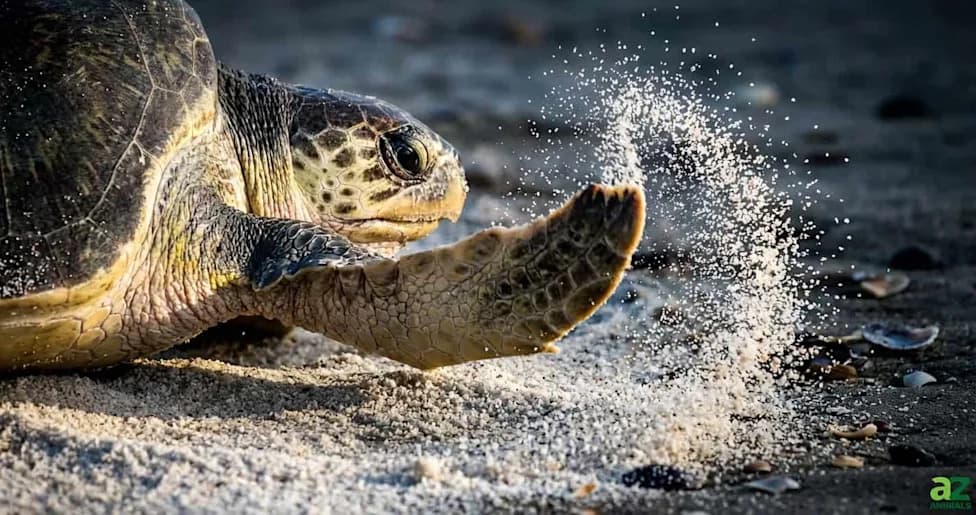
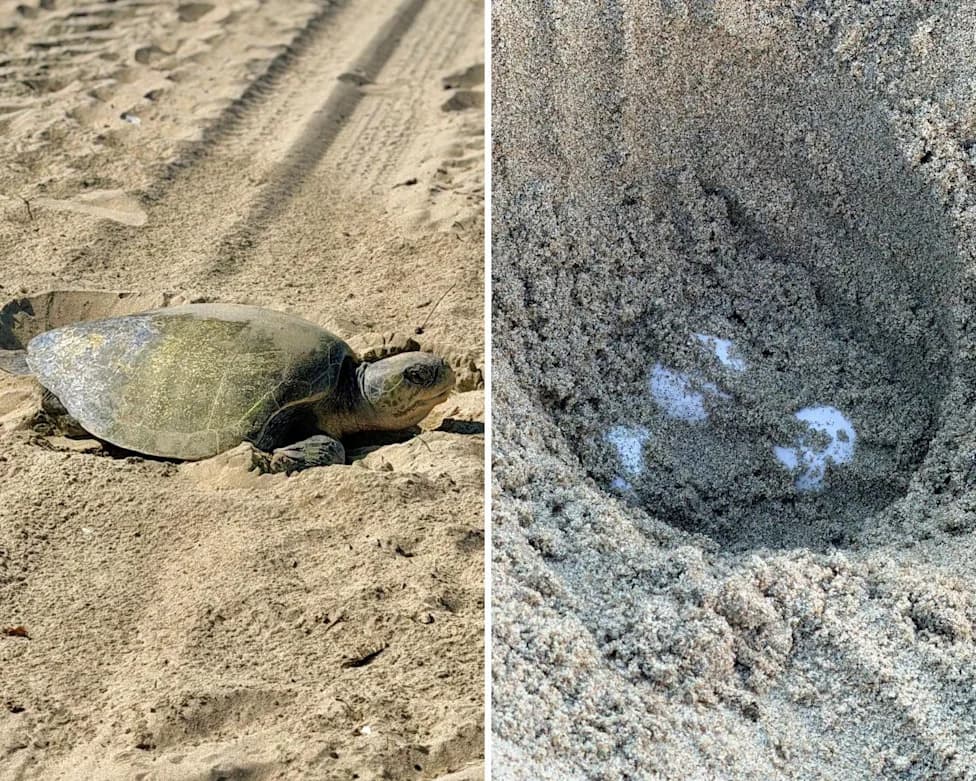
At Holden Beach, North Carolina, volunteers monitoring sea turtles report one of their strongest nesting seasons on record: 69 nests so far this year, up from 35 at the same point last year, NBC Palm Springs says.
Encouraging Numbers, But Rising Temperatures Raise Concern
While the surge in nests is welcome news for a species long pressured by coastal development, pollution and changing ocean conditions, volunteers warn that unusually hot sand this summer could affect developing hatchlings. Sand temperatures play a critical role in determining sea turtle sex: warmer incubation tends to produce more females.
Why temperature matters: Research and field observations indicate that sand temperatures above roughly 85°F (about 29.5°C) generally favor female hatchlings. Prolonged hot, dry conditions — especially when rainfall is scarce — can push sand temperatures higher and may reduce the number of males entering the breeding population over time.
"It can definitely sway the ratio of male to female and over the years that definitely could be a problem if you have more females," a volunteer told NBC Palm Springs.
How Volunteers Are Responding
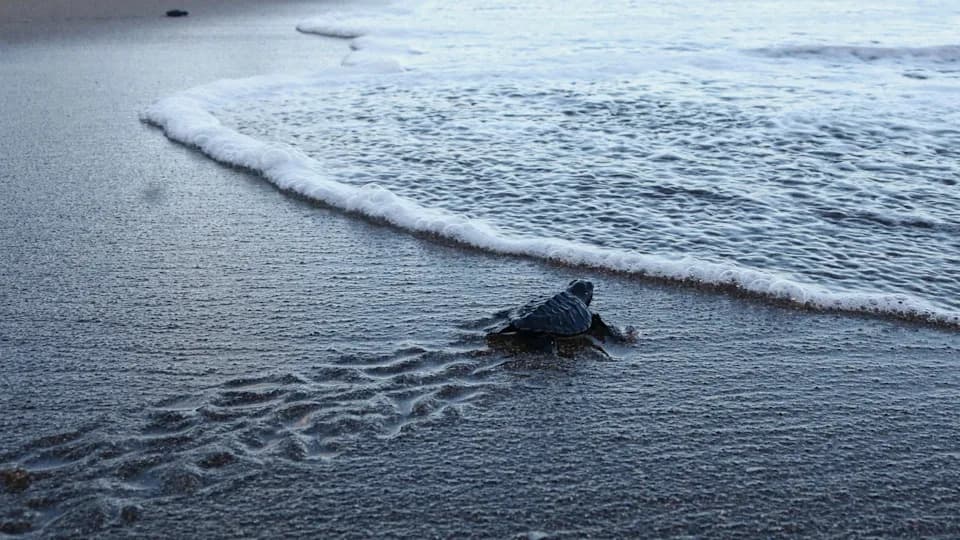
Patrol teams do much of their monitoring overnight to avoid daytime heat, checking nests and watching for emerging hatchlings. When nests face immediate threats from tides or other hazards, volunteers may relocate them to improve survival odds. Otherwise, they generally let incubation proceed naturally while keeping a close watch.
Experienced volunteers report having seen eggs fail when temperatures climbed too high, underscoring that more nests only translate to more hatchlings if the eggs can survive heat stress. The patrol continues to monitor nests throughout the season and take targeted action when necessary to protect eggs and hatchlings.
Source: Reporting by NBC Palm Springs; local turtle watch team at Holden Beach.
Help us improve.