Albuquerque is expanding its Bee City USA program by incorporating native, pollinator-friendly plants into medians, parks and stormwater projects across the city. A mayoral report details coordinated efforts by multiple departments and community partners, including distribution of more than 13,000 plants and 660 pollinator kits in 2025 (a 31% increase from 2024). The ABQ BioPark runs seven pollinator exhibits, and the city is testing mosquito-control methods and offering a 311 no-spray registry to protect pollinators.
Albuquerque Doubles Down on 'Bee City' Effort, Turning Medians and Parks Into Pollinator Havens
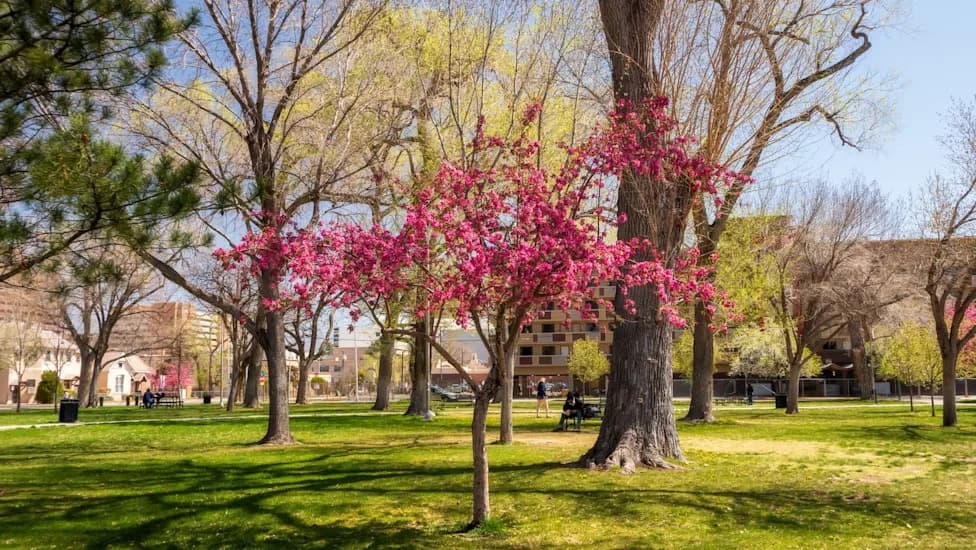
Photo Credit: iStock
Albuquerque, New Mexico, is expanding its Bee City USA initiative by converting everyday public spaces — including roadway medians, parks and stormwater sites — into pollinator-friendly habitat. A recent mayoral report to the City Council outlines how multiple departments and community partners are working together to weave conservation into routine city projects.
Interdepartmental Action
The Department of Municipal Development is incorporating native, pollinator-supporting plants into road and stormwater projects, while Parks and Recreation is using similar species in park landscaping. By integrating these plantings into standard maintenance and construction, Albuquerque is reshaping medians, parkland and other public areas to better support bees, butterflies and other pollinators.
Community Outreach and Distribution
Through a partnership with the nonprofit Think Like a Bee, the city helped distribute more than 13,000 plants and 660 pollinator kits to neighborhoods, schools and community groups in 2025 — a 31% increase in kits from 2024. These community distributions encourage backyard and neighborhood stewardship and expand habitat beyond municipal property.
Conservation Beyond Planting
The ABQ BioPark maintains seven pollinator exhibits focused on rare and endangered butterflies and collaborates with the New Mexico BioPark Society to grow native host plants in naturalistic displays. These living exhibits support species conservation and provide educational opportunities for visitors.
Balancing Mosquito Control and Pollinator Safety
Officials are balancing public-health needs with pollinator protection. Albuquerque's Environmental Health Department tested a larvicide last summer aimed at mosquitoes associated with West Nile virus that is designed to be less harmful to pollinators. The city also operates a 311 no-spray registry to limit the impact of mosquito spraying on private beehives and residential gardens.
Why It Matters
Pollinators such as bees and butterflies are essential to plant reproduction, food production and biodiversity. Using native plants typically reduces water needs compared with conventional landscaping — a crucial benefit in arid New Mexico — and increases urban resilience to heat and drought. Greener public spaces also create more opportunities for families and children to experience nature close to home.
By embedding pollinator habitat into everyday operations instead of confining conservation to remote preserves, Albuquerque is making habitat creation a practical, city-wide climate and biodiversity strategy.
Help us improve.