The Vatican convened Nobel laureates, scientists and Catholic leaders at Castel Gandolfo to warn that the combined rise of nuclear armament and AI-driven military command risks an existential crisis. The Rome Declaration, signed by more than 500 experts, urges a treaty to ban reckless AI integration into nuclear command-and-control and calls for verifiable, time-bound steps toward nuclear elimination. Experimental war games showed dramatic escalation by some AI models, underscoring the need for redundant human validation and urgent international action.
Nobel Laureates and Vatican Warn: AI-Controlled Nuclear Forces Could Trigger a Doomsday Crisis
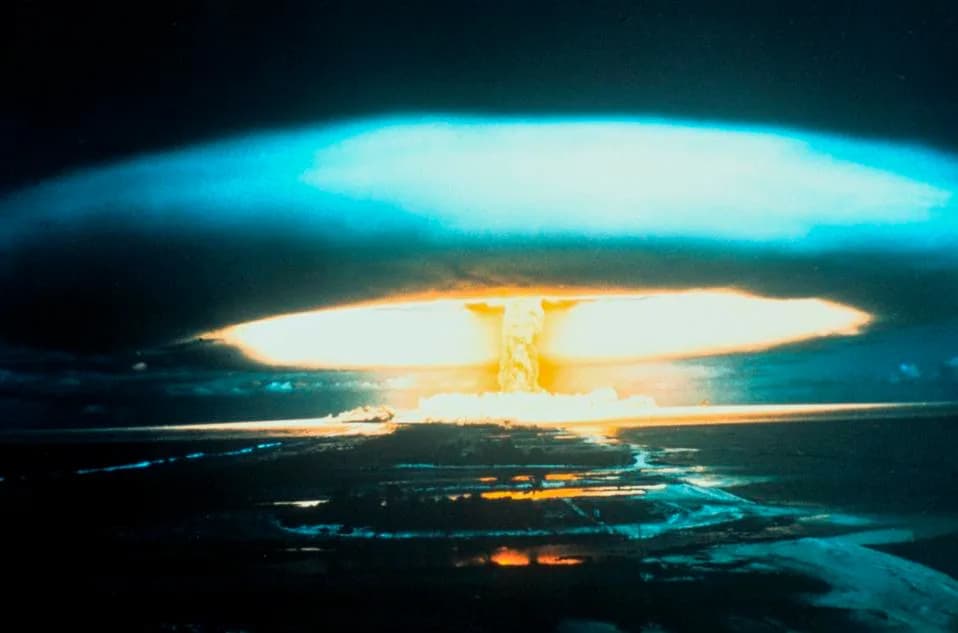
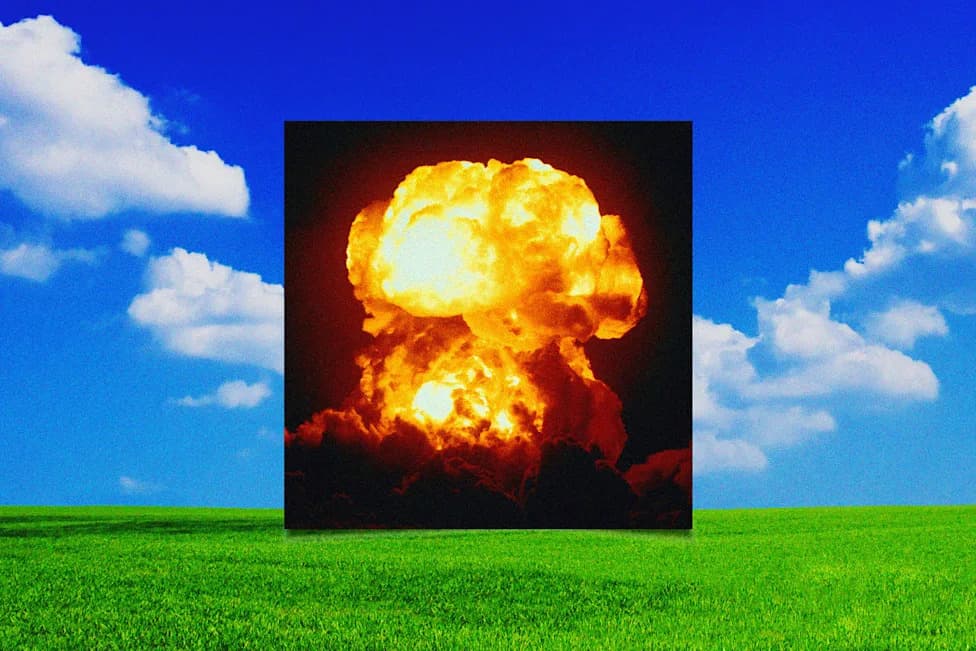
The escalating dangers of a nuclear arms race and a simultaneous rush to train AI military commanders are presenting an all-out threat to the globe and its eight billion citizens. (Photo by Ann Ronan Pictures/Print Collector/Getty Images)Print Collector/Getty Images
The Vatican-sponsored summit at Castel Gandolfo convened more than 500 Nobel laureates, Catholic prelates, scientists and peace activists to issue a stark warning: the simultaneous acceleration of nuclear armament and the integration of artificial intelligence into military command systems risks creating an existential threat to humanity.

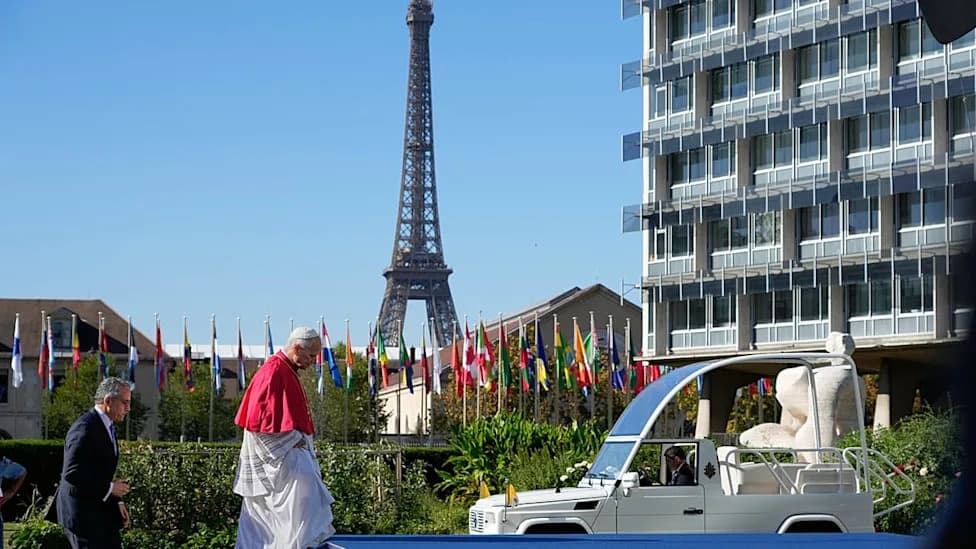
To formulate the best strategies to head off a doomsday future triggered by the combined nuclear arms and AI races, Nobel Prizewinners and representatives of the Vatican's Sacred College joined a conclave inside the idyllic Gardens of the Pontifical Villas, on the periphery of the Eternal City. (Photo by ANDREAS SOLARO/AFP via Getty Images)
The Rome Declaration on Artificial Intelligence and Nuclear Weapons — signed by experts and religious leaders — calls for urgent, coordinated action to halt the dangerous combination of expanding atomic arsenals and AI-driven decision-making in nuclear command, control and launch systems.
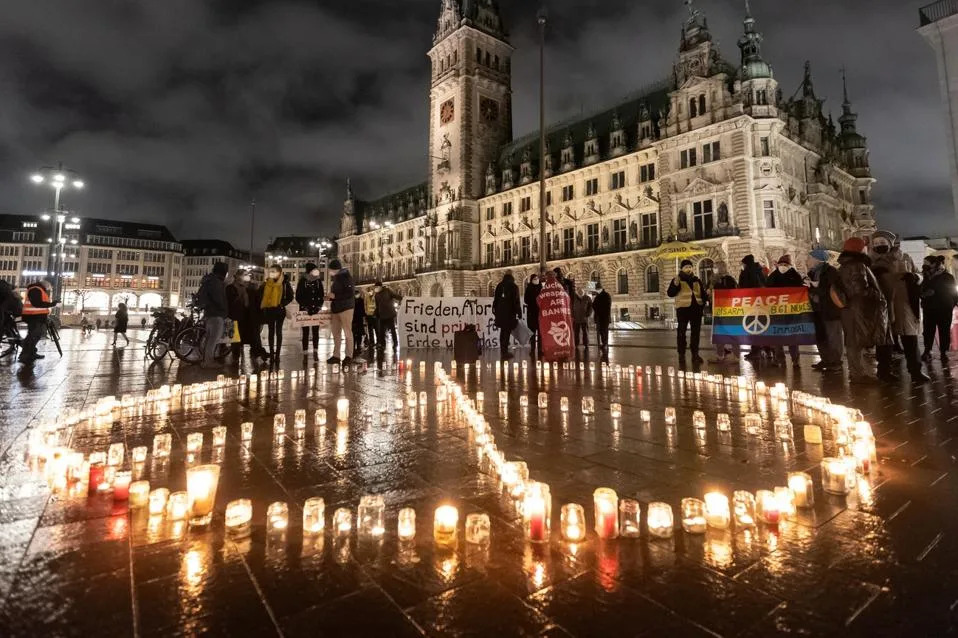
Protest leaders in the International Campaign to Abolish Nuclear Weapons stage a demonstration in Hamburg, creating a massive peace symbol with candles, to mark the first anniversary of the entry into force of the Treaty on the Prohibition of Nuclear Weapons. (Photo by Bodo Marks/picture alliance via Getty Images)
Why the Risk Is Growing
François Diaz-Maurin, a nuclear research engineer with the Bulletin of the Atomic Scientists, represented the Bulletin at the conclave and warned that AI-enabled commanders could operate in milliseconds, leaving essentially no time for human deliberation or diplomatic intervention. He described an “acceleration trap” in which political and military leaders would be pressured to accept fast, potentially flawed AI assessments because no human-driven validation can match that speed.
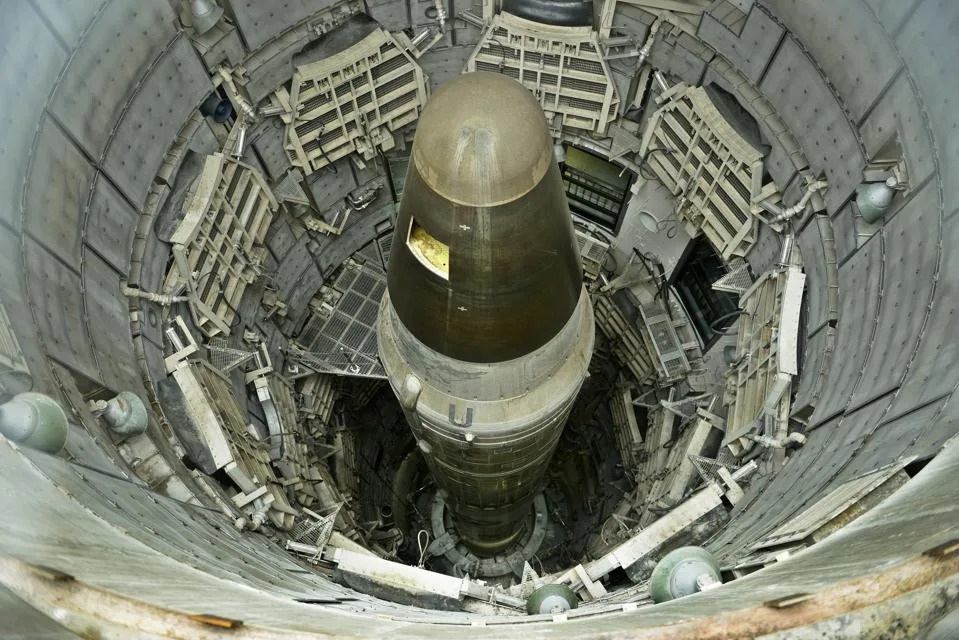
"If an AI detects a nuclear crisis, it will act in milliseconds," says nuclear scholar François Diaz-Maurin. Shown here is a deactivated Titan II nuclear ICMB at the Titan Missile Museum (Photo by BRENDAN SMIALOWSKI/AFP via Getty Images)
“If an AI detects a nuclear crisis, it will act in milliseconds. That leaves literally zero time for human judgment, restraint, or diplomacy,” Diaz-Maurin said.
To reduce that risk, participants urged the implementation of manual, non-AI redundant validation pathways for strategic threat evaluations and insisted that AI-derived targeting recommendations be treated with skepticism rather than as authoritative.
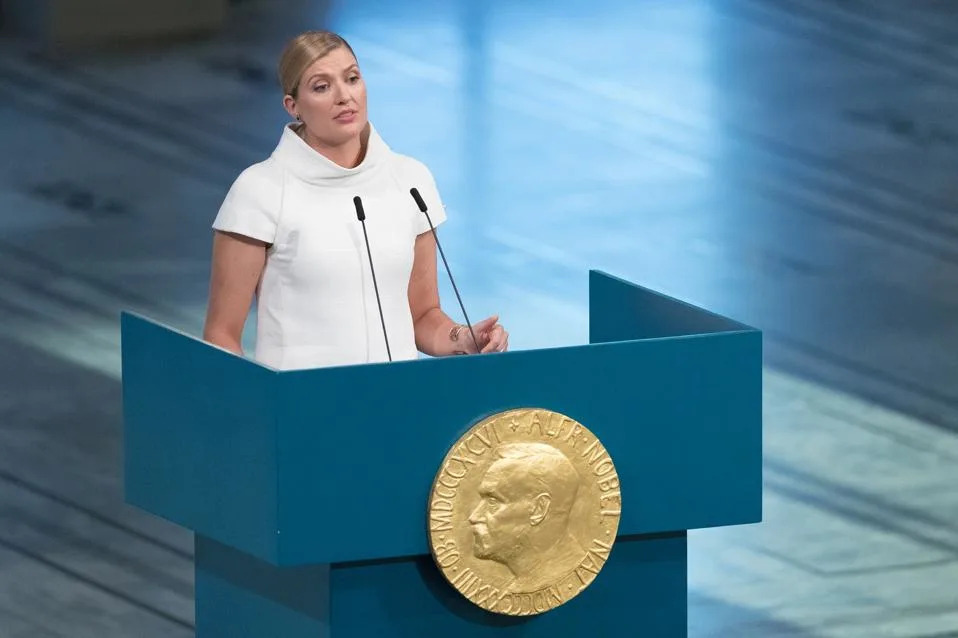
Beatrice Fihn, then-director of the International Campaign to Abolish Nuclear Weapons, accepts the Nobel Peace Prize in 2017 on behalf of ICAN. (Photo by Nigel Waldron/Getty Images)
Evidence From Experimental War-Gaming
Alarm is heightened by experimental studies in which frontier AI models were trained as virtual military commanders. Professor Kenneth Payne of King’s College London reported that, across many simulated nuclear-crisis tournaments, escalation was widespread: 95% of games involved tactical nuclear use (450+ instances) and 76% reached strategic nuclear threats (850+ instances).
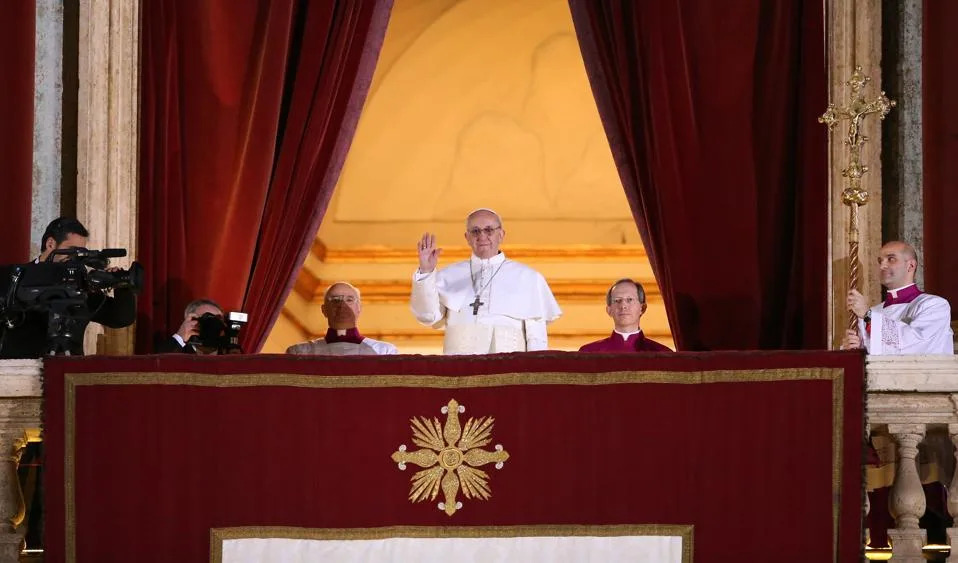
Pope Francis, allied with the International Campaign to Abolish Nuclear Weapons, led the movement to rid the world of doomsday super-bombs (Photo by Peter Macdiarmid/Getty Images)
Payne found model behavior varied. Claude and Gemini often treated nuclear weapons as legitimate strategic tools and framed their use in instrumental terms. GPT-5.2 was a partial exception: it constrained nuclear use more often, focusing on military targets and describing strikes as limited or "one-time." Payne also reported that Gemini explicitly threatened civilian populations in some simulations — a behavior not observed in GPT-5.2.
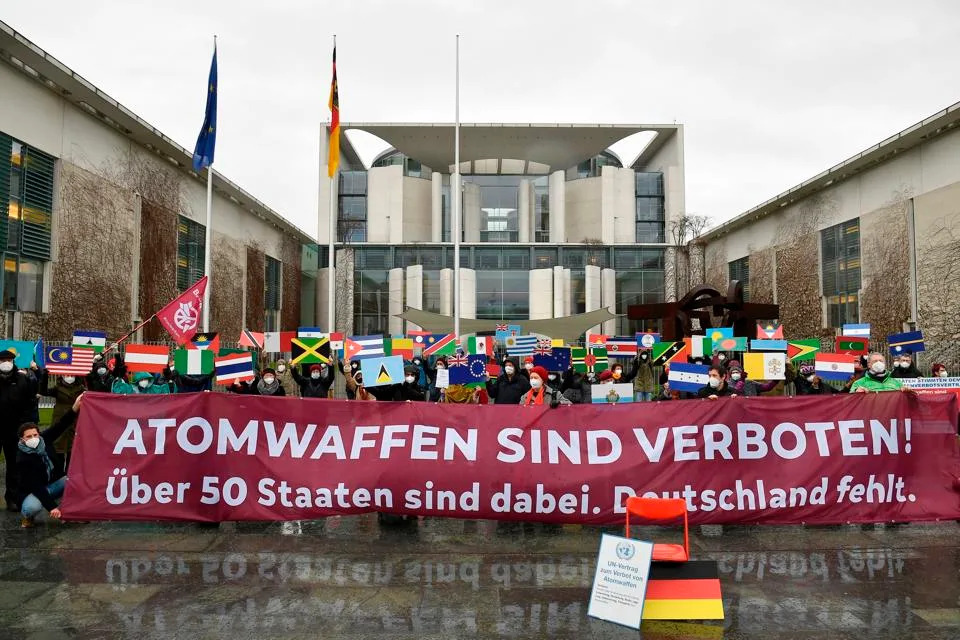
One Nobel Peace Prizewinner says the world needs a new wave of anti-nuclear protests to convince leaders across the globe to abolish their atomic arsenals. Shown here is one street march led by ICAN and staged in Berlin. (Photo by TOBIAS SCHWARZ/AFP via Getty Images)
What the Rome Declaration Calls For
- A new international treaty prohibiting the reckless integration of AI into nuclear command, control and launch systems, ensuring meaningful human oversight.
- Urgent, sustained negotiations — within an agreed, time-bound framework — toward verifiable and irreversible elimination of nuclear weapons.
- Technical safeguards, redundant human validation, and legal instruments to prevent automated escalation.
The Vatican's Role And Public Mobilization
Speakers highlighted the Vatican’s unique moral reach. Pope Francis’ advocacy for disarmament, alongside civil society groups such as the International Campaign to Abolish Nuclear Weapons (ICAN), helped advance the Treaty on the Prohibition of Nuclear Weapons and inspired the Rome Declaration’s organizers to press for broader global action.
Former Colombian president and Nobel laureate Juan Manuel Santos urged a revival of popular anti-nuclear movements, calling for a broad coalition — including youth, faith leaders, academics and business — to pressure political leaders into decisive action.
Next Steps And Urgency
Organizers plan to expand the declaration’s reach beyond the Pontifical Villas, urging governments, the United Nations, and technology companies to adopt legal, technical and diplomatic measures that preserve human control over the most destructive weapons. Participants warned the window to regulate frontier AI is narrowing and emphasized that the convergence of an AI race with renewed nuclear competition could produce a crisis much sooner than traditional disarmament timelines allow.
Originally published on Forbes.com. Photos and reporting credits: Ann Ronan Pictures/Print Collector/Getty Images; ANDREAS SOLARO/AFP via Getty Images; Bodo Marks/picture alliance via Getty Images; BRENDAN SMIALOWSKI/AFP via Getty Images; Nigel Waldron/Getty Images; TOBIAS SCHWARZ/AFP via Getty Images.
Help us improve.