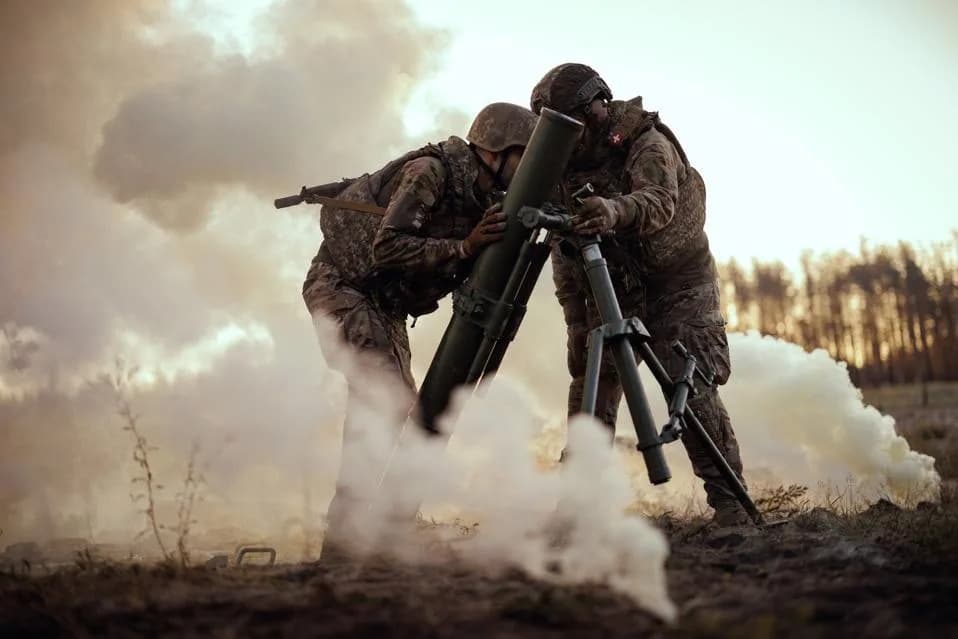
The Pentagon expanded its Drone Dominance Program to request reusable bomber drones capable of carrying more than 8 kg (~18 lb) and operating 15–30 km from launch. Platforms should be man‑packable or vehicle‑transportable, weigh roughly 55 lb at takeoff (excluding payload), and carry multiple warheads for engaging varied targets. Requirements include weather and jamming resilience, advanced autonomy and automated target recognition; qualified vendors will enter an October "Gauntlet" evaluation ahead of roughly $32M in prototype awards.
Pentagon Pursues Reusable 'Bomber' Drones That Carry ~18 lb and Reach 15–30 km
Credit: Leon Neal/Getty Images
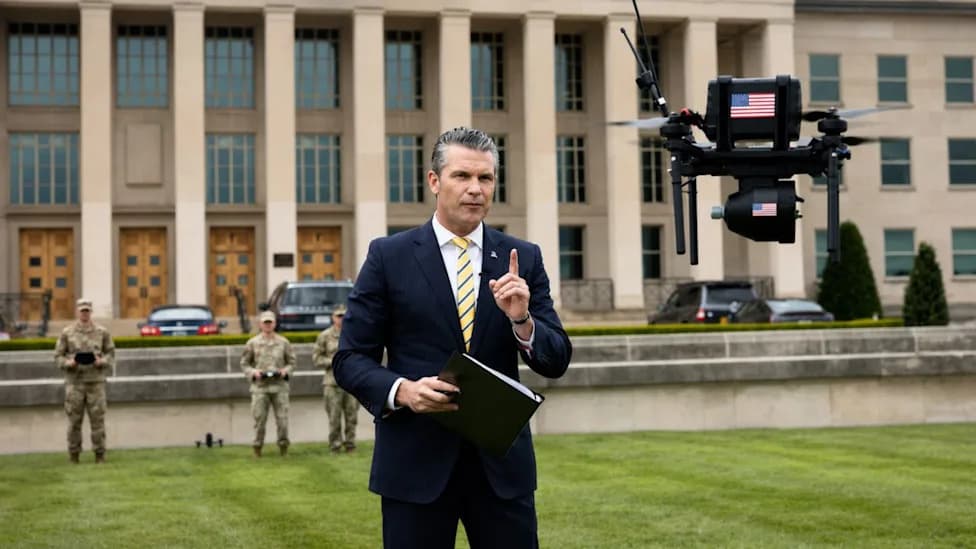
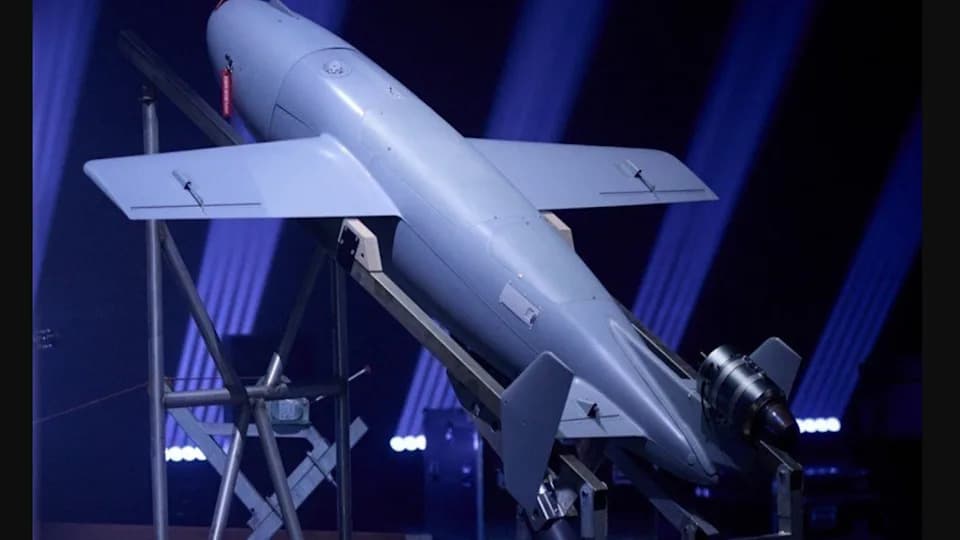
The Pentagon has broadened its Drone Dominance Program to solicit reusable unmanned aircraft designed to carry bombs and return for repeated missions, rather than acting solely as single-use strike drones.
Key requirements in a recent Request for Solutions call for platforms that can carry payloads greater than 8 kg (about 18 lb) — a size intended to accommodate mortar rounds or similar munitions already in military inventories. Systems should operate between 15 and 30 km from their launch points and be man‑packable or transportable by light combat vehicles.
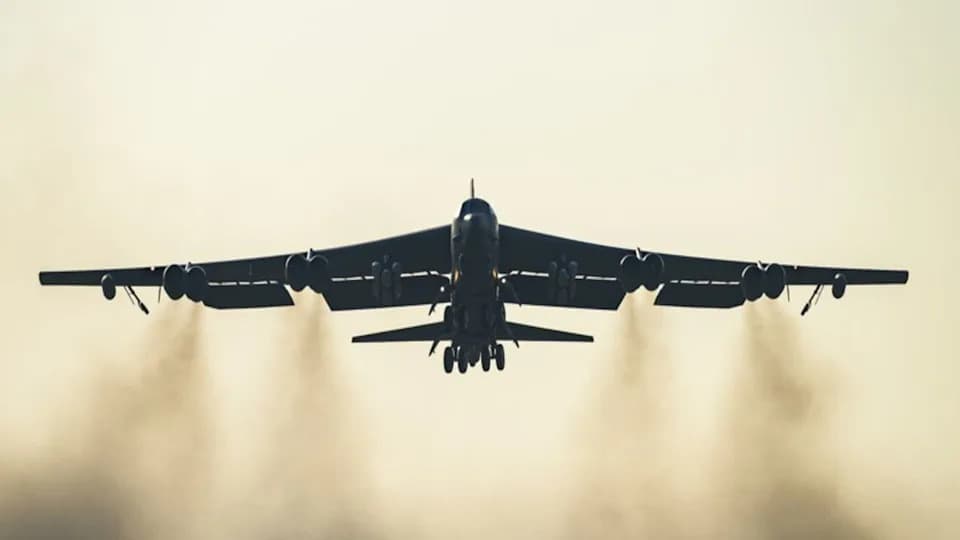
Officials expect most candidate systems to have a gross takeoff weight of no more than 55 lb (excluding payload), making them far smaller than traditional strategic bombers. Unlike expendable one‑way systems, these aircraft must carry multiple warheads so a single platform can engage several moving or stationary targets in a single sortie.
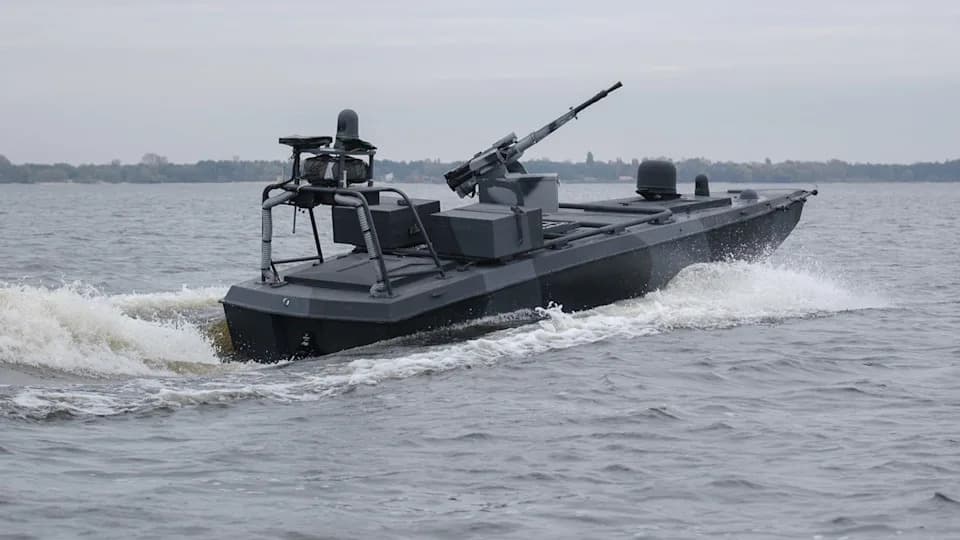
Potential targets listed in the solicitation include enemy personnel, light armored vehicles, heavy armor, maritime surface craft, landing vessels and other battlefield assets requiring precision engagement.

Google logo on a black background next to text reading 'Click to follow TechRadar'
The Department of Defense also specifies operational resilience: systems must function in adverse weather, in varied lighting conditions, and under deliberate disruption to communications or satellite navigation (electronic jamming). Advanced automation is required to reduce operator workload, including autonomous flight functions and automated target recognition (ATR).
“Vendors shall demonstrate targeting capabilities designed to improve engagement effectiveness, increase delivery accuracy, and reduce operator cognitive workload during target prosecution,” the solicitation states.
Testing will cover engagements against both stationary and moving drones and targets at multiple altitudes. Evaluators will examine full operational systems, including aircraft performance, payload release mechanisms, ground control equipment and supporting logistics hardware.
The Pentagon expects reusable platforms to deliver higher reliability and capability than manually piloted first‑person‑view (FPV) drones, emphasizing survivability across multiple missions rather than single‑use employment.
Manufacturers that pass an initial qualification phase will advance to a competitive evaluation called the Gauntlet, scheduled for October. Following those assessments, the Department plans roughly $32 million in initial prototype contracts that could cover as many as 1,200 systems together with associated logistics packages. Prototype units must be delivered within five months of award, with half of requested systems supplied within 2.5 months.
Credit: Leon Neal/Getty Images — Reporting via Defense Scoop
Help us improve.