New Geosphere research finds paired submarine‑landslide deposits in seafloor cores that suggest a powerful Cascadia megathrust earthquake may have been followed soon afterward by a San Andreas Fault rupture. The discovery began with an accidental 1999 core from Noyo Canyon; radiocarbon dates show many paired layers formed almost simultaneously. While the data imply the second quake could have come minutes or hours later, the authors stress the evidence is interpretive and does not predict exact timing. The study underscores heightened risk and the need for preparedness across the West Coast.
Study: M9 Cascadia Quake May Trigger Rapid San Andreas Follow‑Up — Raising West Coast Risk
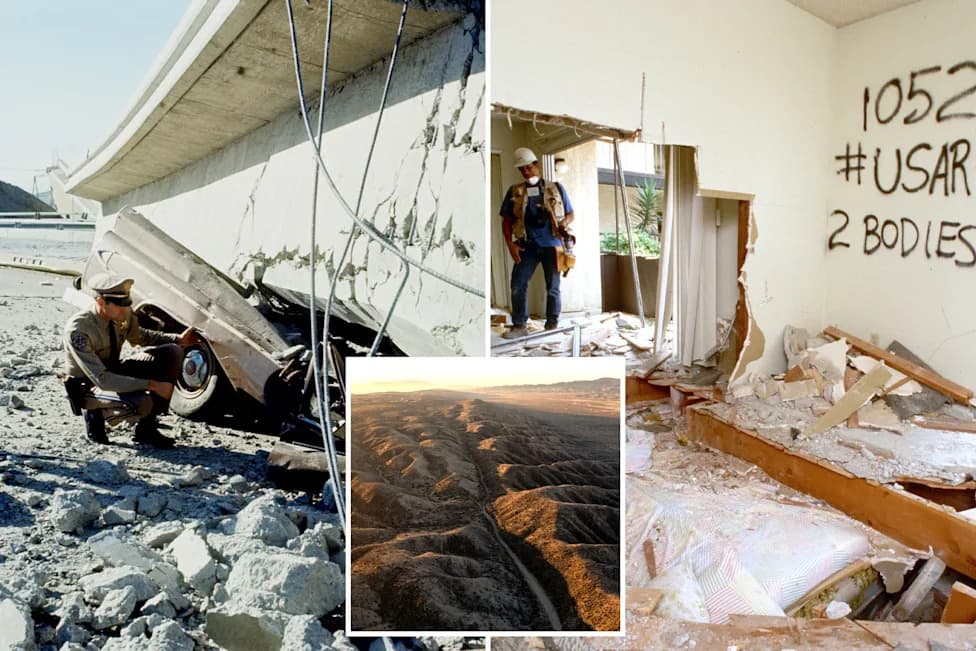
New research published in Geosphere suggests that a massive magnitude‑9 earthquake on the Cascadia subduction zone could be followed shortly afterward by a large rupture on California's San Andreas Fault, producing a two‑stage disaster that would threaten communities from the Pacific Northwest down through California.
How the discovery was made
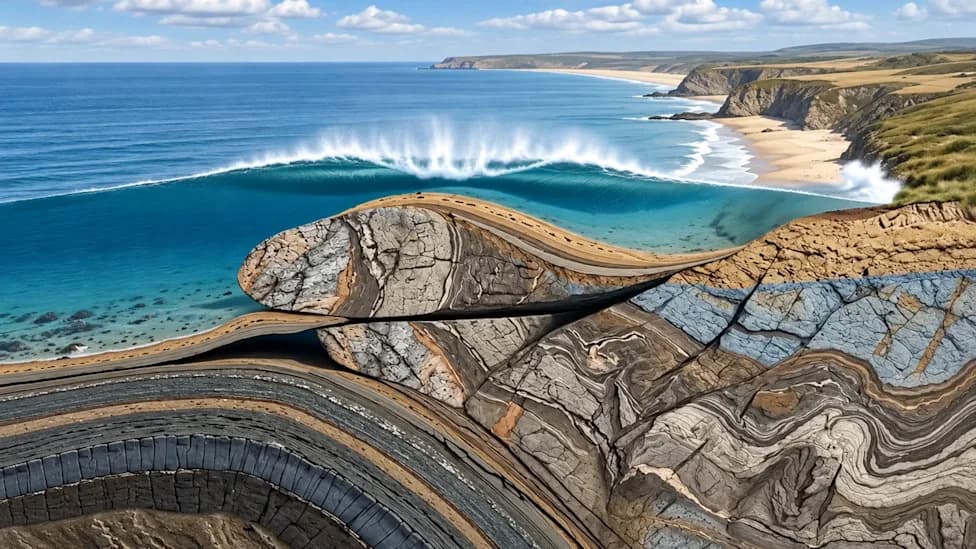
The unusual finding grew out of a 1999 research cruise in which a graduate student accidentally entered the wrong latitude. The vessel drifted roughly 90 kilometers south of the intended sampling area and collected a sediment core from Noyo Canyon near Fort Bragg, California. That core — and matching cores from Cascadia — contained repeated paired deposits from submarine landslides rather than the single layers typically associated with individual major earthquakes.
What the sediment shows
Radiocarbon dating indicates many paired layers formed at nearly the same time. After ruling out alternative explanations, the research team interpreted the first deposit in each pair as evidence of a Cascadia megathrust event and the second as a likely San Andreas rupture that occurred soon afterward. Some lines of evidence suggest the delay could have been as short as minutes or hours, although longer intervals remain possible.
"It's kind of hard to exaggerate what a M9 earthquake would be like in the Pacific Northwest," said Dr. Chris Goldfinger, a paleoseismologist at Oregon State University. "And so the possibility that a San Andreas earthquake would follow, it's movie territory."
Implications and limitations
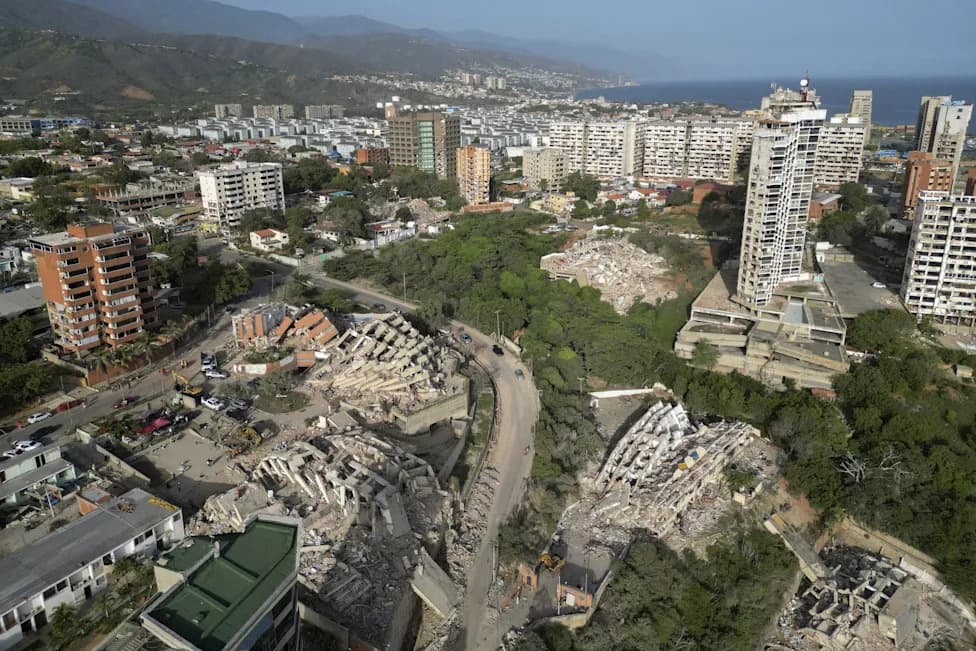
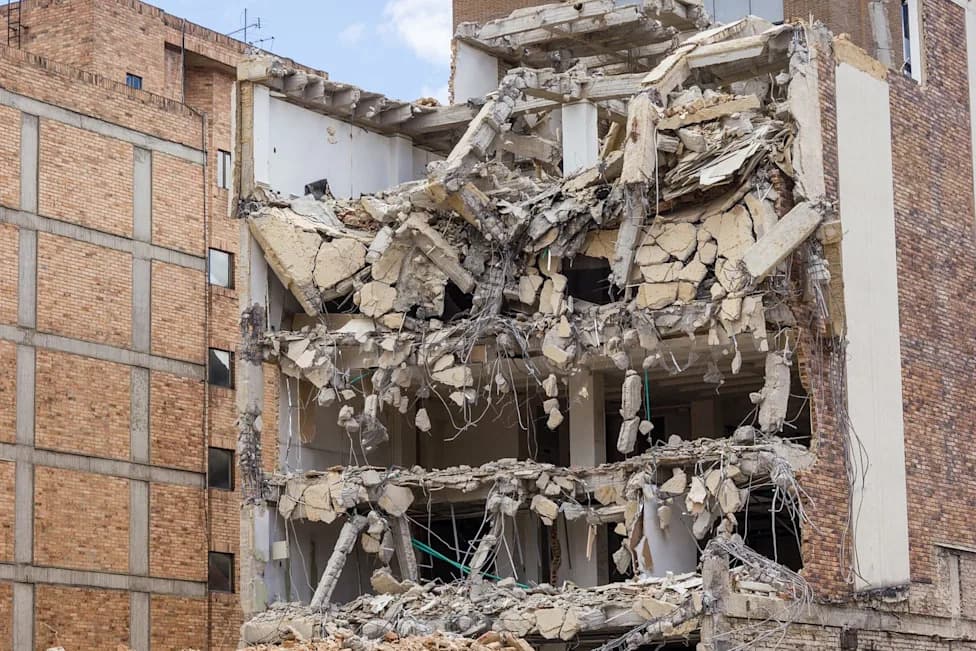
If the pattern recorded in the sediments repeats, emergency responders and communities could face nearly back‑to‑back disasters stretching from the Pacific Northwest into California. The authors emphasize that sedimentary evidence requires interpretation and does not provide a precise timetable for future quakes; the study increases concern about linked fault behavior but does not prove a guaranteed outcome for any specific future event.
Preparedness
The findings have already influenced personal preparedness for some researchers. Dr. Goldfinger noted that, if a Cascadia event occurred, residents in parts of California might consider evacuation routes and secondary hazards from a potential San Andreas event. Officials say the study reinforces the need for coordinated planning, resilient infrastructure, and public awareness along the entire West Coast.
Bottom line: Sediment records point to the possibility of sequential large earthquakes on Cascadia and the San Andreas Fault in the past. The interpretation raises concern about a linked, multi‑fault disaster scenario, underlining the importance of preparedness while recognizing scientific uncertainty about exact timing.
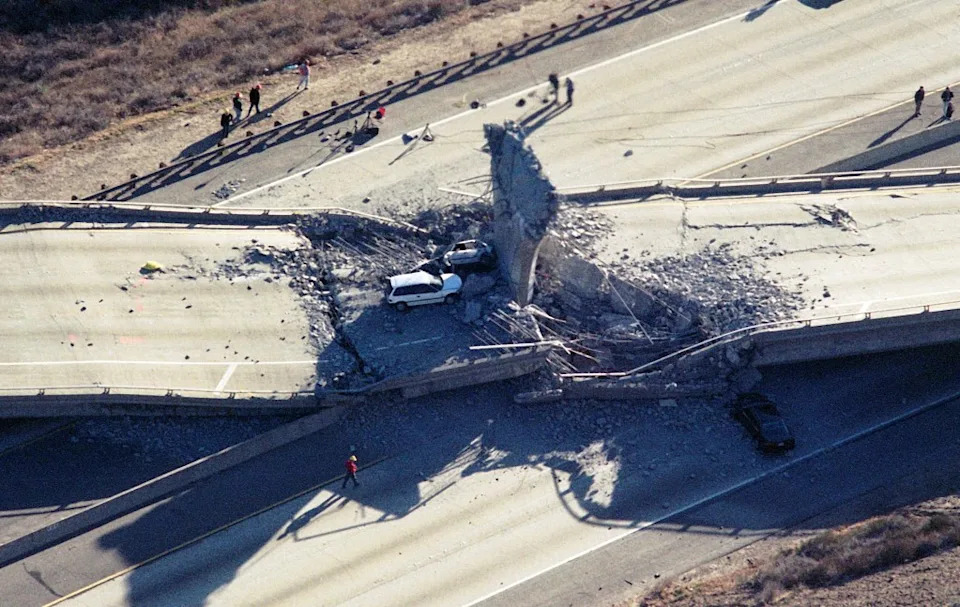
The Northridge Earthquake in photo taken, Jan. 24, 1994 in Los Angeles, California. Getty Images
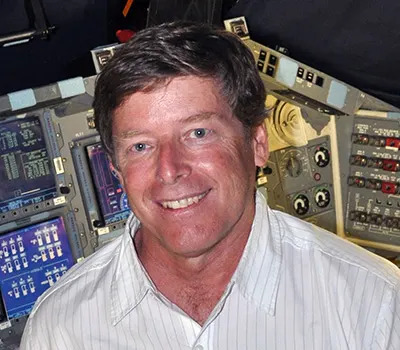
Dr. Goldfinger changed his own emergency plans. Oregon State University
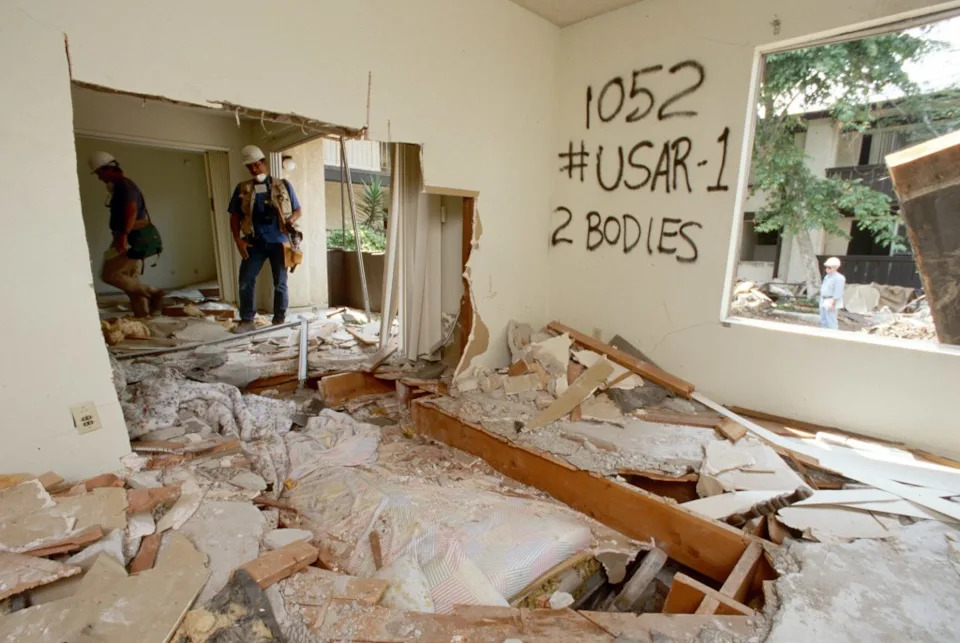
The wrong turn revealed something researchers never expected. Getty Images
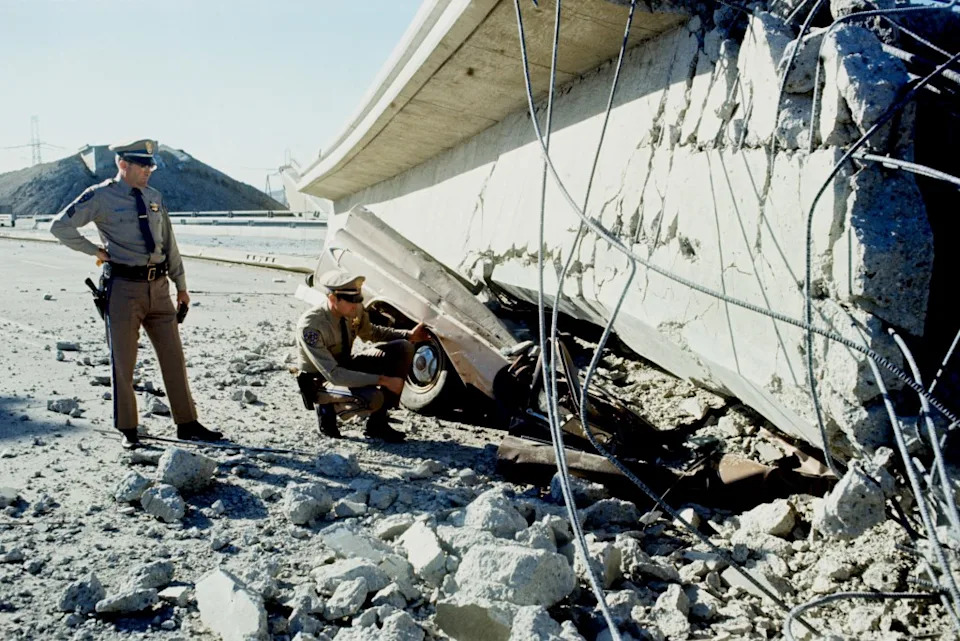
The same unusual pattern also appeared in samples collected from Cascadia. Getty Images
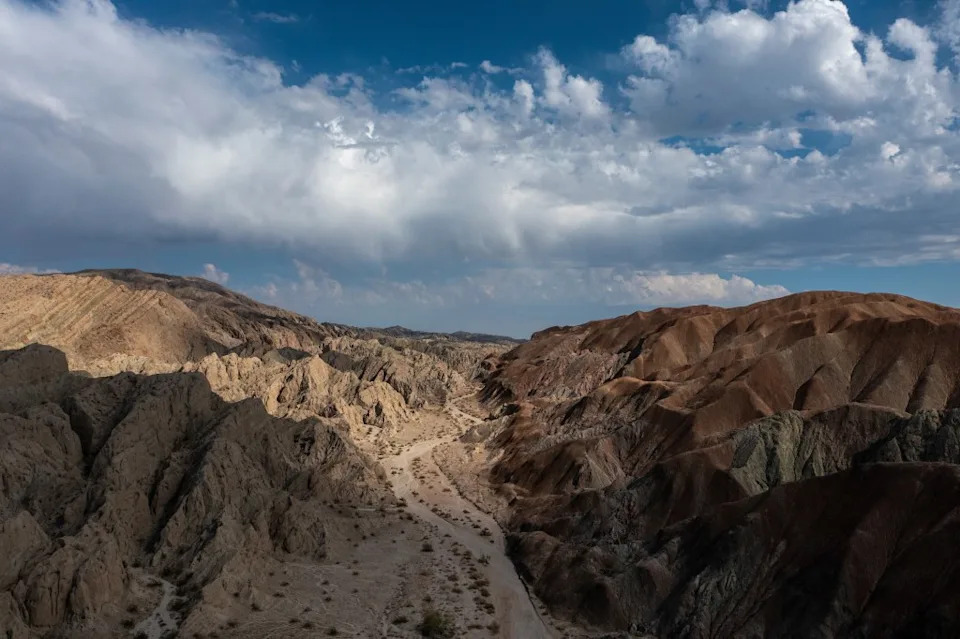
The new findings suggest California may not have much time. Getty Images
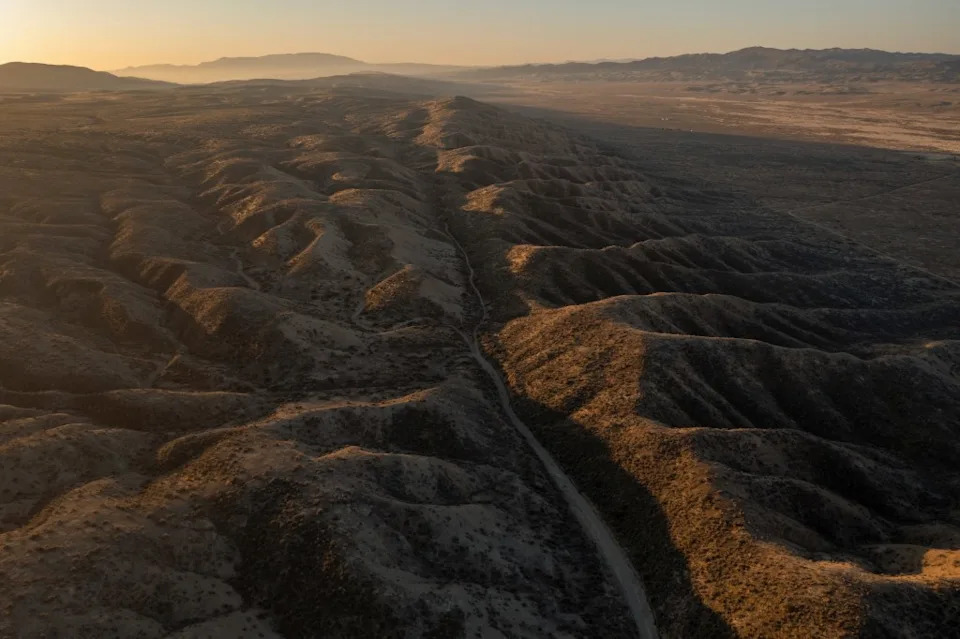
A magnitude 9 Cascadia earthquake would already rank among the most destructive natural disasters imaginable. Getty Images
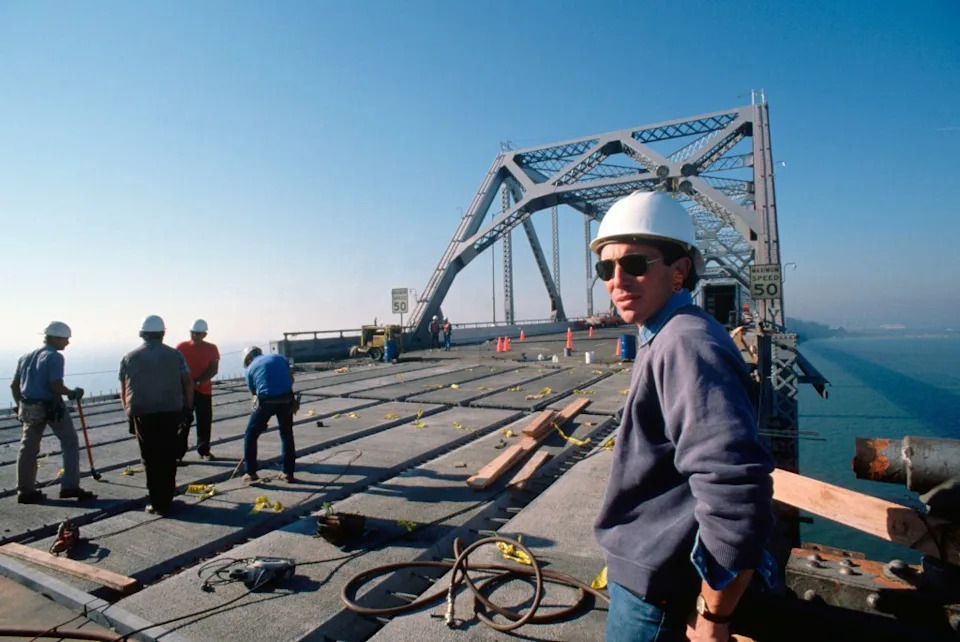
During a 1999 research expedition, scientists were collecting seafloor sediment to reconstruct Cascadia's earthquake history. Corbis via Getty Images
Help us improve.