The FCC’s implementation of a Trump‑era ban on certain Chinese robots is broader than it sounds and could include many autonomous ground robots — even some robot vacuums. Devices that weigh more than 4.4 pounds, have sensing/mapping capabilities and wireless connectivity may fall under the restriction. The rule targets risks tied to Chinese manufacturing and national‑security concerns, but it does not force owners to discard devices already approved for sale in the U.S.
US Rules Could Block Future Roomba Rivals — Robot Vacuums Might Be Affected

Future robot vacuums could face U.S. restrictions as the FCC cracks down on connected foreign-made robots | ©Image Credit: Unsplash / julien Tromeur
When the Trump administration moved to ban new Chinese humanoid and quadruped robots, many pictured futuristic walking or four‑legged machines. The Federal Communications Commission's implementing language is broader, however — and could sweep in everyday autonomous ground robots such as some robot vacuums.
What The Rule Covers
Under the FCC's definition, the restriction applies to future software‑controlled, ground‑moving robots that:
- Weigh more than 4.4 pounds (including their dock),
- Can sense or perceive their surroundings (cameras, lidar, ultrasonic sensors, etc.), and
- Have wireless connectivity (Wi‑Fi, Bluetooth, cellular, or similar).
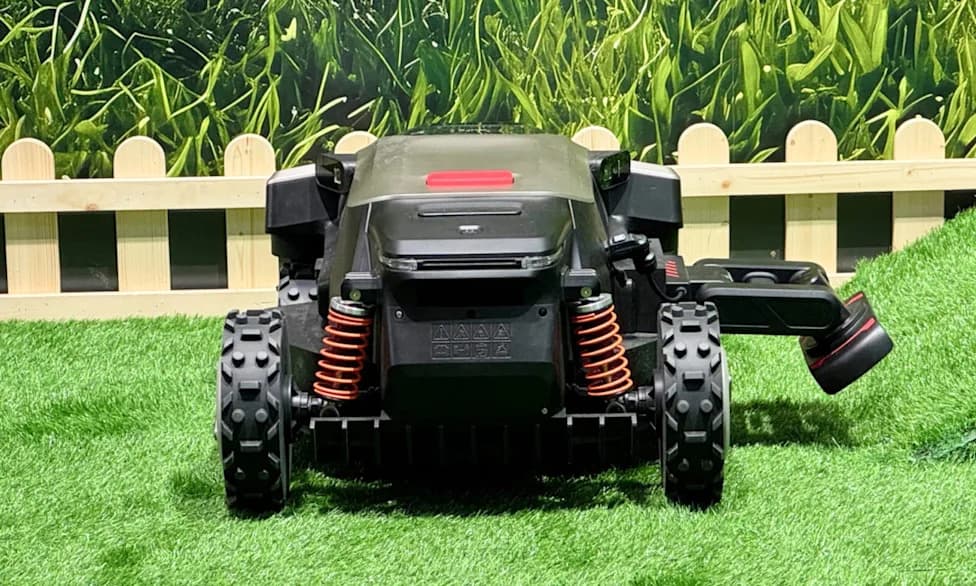
That description can include robot vacuums, robotic lawnmowers, delivery bots and certain warehouse machines used to move packages — not just humanoid or animal‑like robots.
Why Officials Say It’s Needed
U.S. regulators and policymakers say connected robots could pose national security and supply‑chain risks: devices that map homes, carry cameras and microphones, and communicate with cloud services might be exploited for surveillance, data collection, or disruption of systems. The FCC cited past security vulnerabilities in networked robot vacuums reported by outlets including The Verge as part of its national‑security rationale.
“These devices could create supply chain vulnerabilities that could disrupt U.S. economic and national security and could create a cybersecurity risk that threatens American critical infrastructure,” the FCC said in a statement explaining the restriction.
Who Might Be Affected
China is a major player in consumer robotics. Many leading robot‑vacuum brands — including Roborock, Ecovacs, Dreame, Xiaomi and Narwal — are Chinese companies or rely heavily on Chinese manufacturing and components. That concentration of production means a policy aimed at foreign‑made advanced robots would hit a large portion of the industry.
Ownership and manufacturing arrangements in the sector have shifted in recent years, adding complexity to enforcement and exemption decisions.
Exemptions, Waivers And What You Own Now
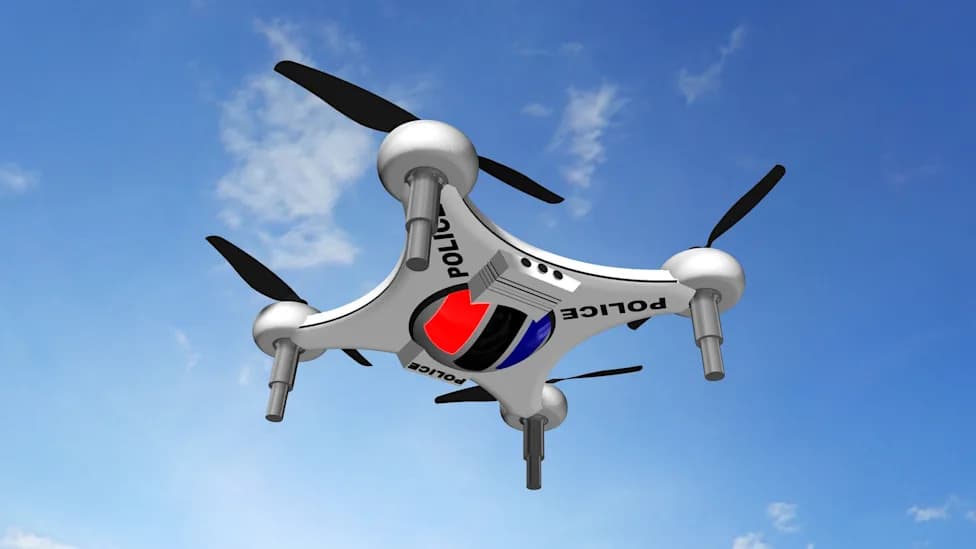
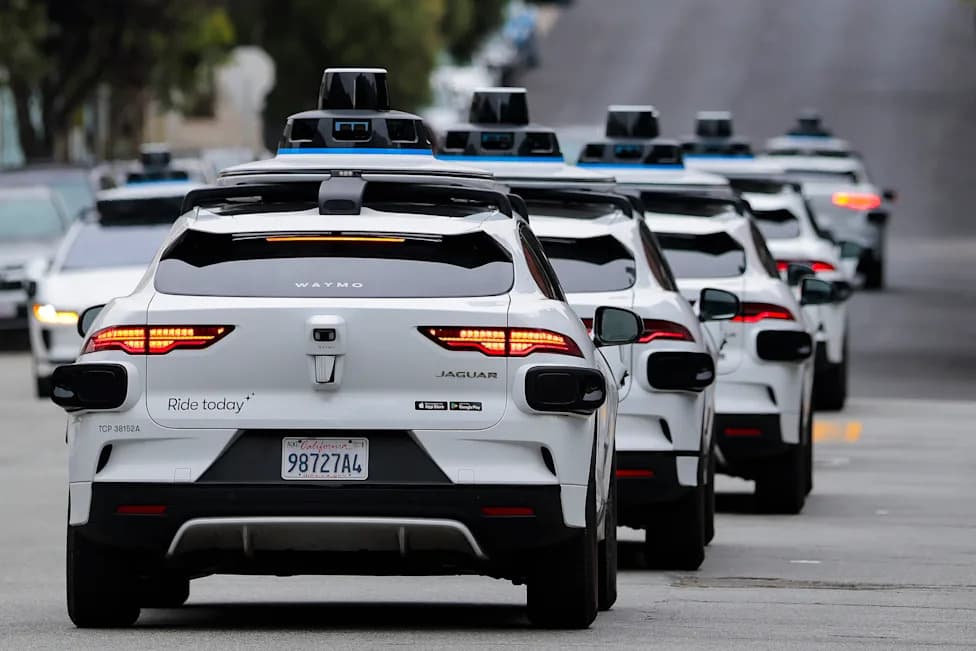
The restrictions apply to new models not yet authorized for sale in the U.S.; they do not force owners to discard approved devices already on the market. The FCC has carved out exemptions for categories such as self‑driving cars and trains, unmanned aircraft and underwater vehicles, surgical robots, wheelchairs, and certain fixed industrial and medical robots. Reuters also reports that many non‑Chinese suppliers may be exempted.
Manufacturers can apply for waivers, but companies without enough U.S. sourcing or production may face a difficult process. Even a company that assembles devices in the U.S. could need a waiver if key components come from abroad.
Bottom Line
The FCC's implementation of the ban is broader than the phrase “humanoid robots” implies: many ordinary connected ground robots could be affected if they meet the technical criteria. The move fits a wider U.S. effort to reduce strategic dependence on Chinese technology, while existing, approved consumer devices remain permitted.
Sources: Reuters, The Verge, GEEKSPIN.
Help us improve.