Effective July 31: Texas is enforcing a 2021 rule that classifies many synthetically derived hemp THC products—such as delta-8, delta-10 and THCA flower—as Schedule I controlled substances, making their sale and possession illegal. Delta-9 hemp products that contain no more than 0.3% delta-9 THC by dry weight remain lawful, and smokable hemp rules are still tied up in court. Possession of banned items can carry state jail felony penalties and fines; retailers face fines, license loss and potential criminal charges. The state’s Compassionate Use Program still allows limited non-smokable, low-THC medical cannabis (≤0.5% THC) for qualifying patients.
Texas Enforces New THC Rules: Most Hemp-Derived Delta-8, Delta-10 and THCA Are Now Banned
New THC rules take effect in Texas. What’s legal, what’s banned?
Significant changes to hemp-derived THC laws in Texas took effect on Friday, July 31, after the Texas Supreme Court allowed the state to enforce a 2021 rule from the Texas Department of State Health Services. The rule reclassifies many synthetically derived hemp THC products as Schedule I controlled substances, ending a multiyear legal gray area.
What Changed
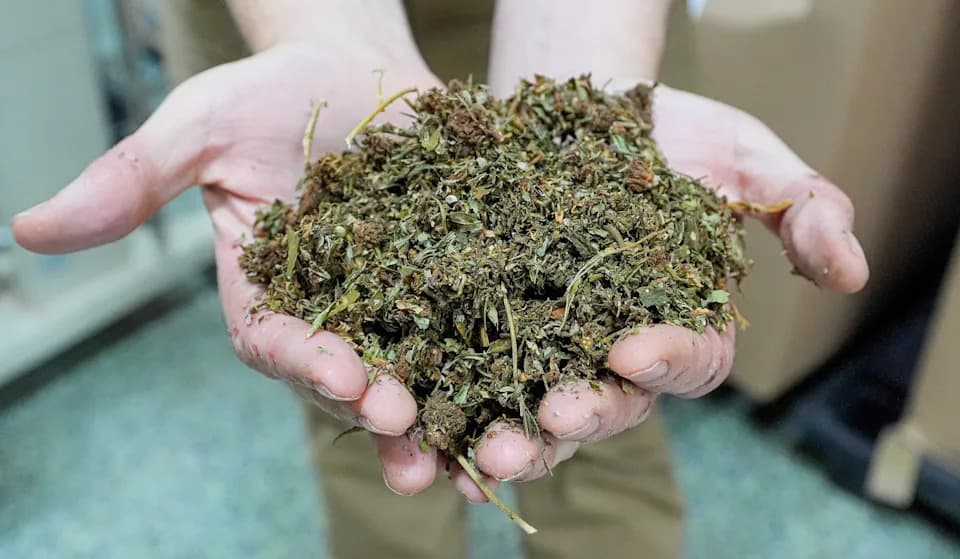
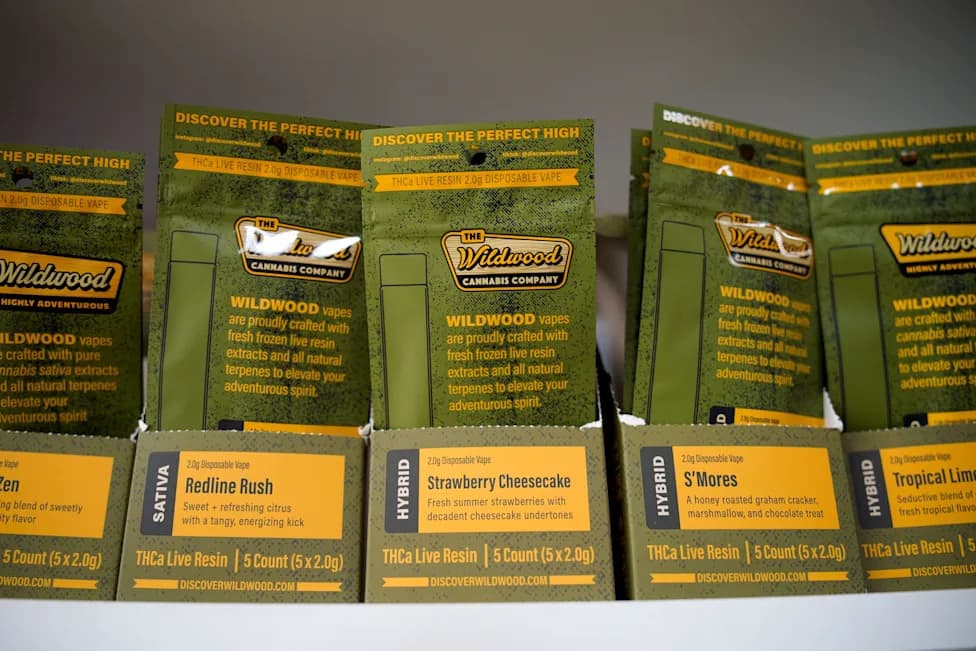
Banned Products: The state now prohibits the sale and possession of most synthetically derived hemp THC products, including delta-8 THC, delta-10 THC, THCP, THCA flower and other synthetic hemp-derived THC variants.
What Remains Legal
Delta-9 Hemp Exemption: Hemp-derived products that contain no more than 0.3% delta-9 THC by dry weight (the federal hemp threshold set by the 2018 Farm Bill) remain legal. That includes qualifying delta-9 gummies, beverages, tinctures and other non-smokable preparations.
Smokable Hemp: A separate statewide ban on smokable hemp products is currently tied up in litigation, so qualifying delta-9 hemp flower remains available for now.
Why Some Products Were Targeted
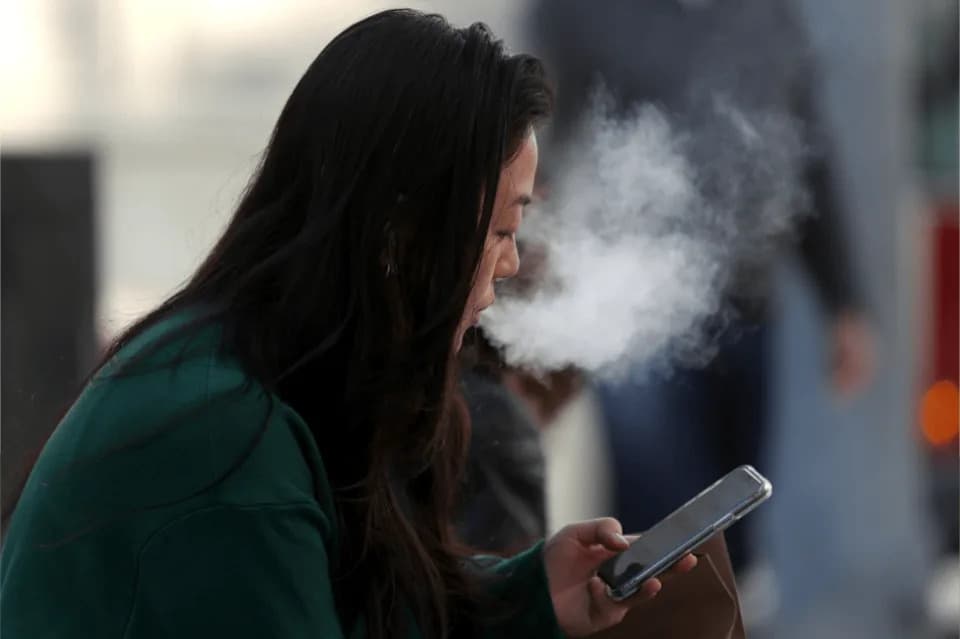
Chemically, many banned products are close relatives of delta-9 THC. For example, delta-8 differs from delta-9 only by the position of a double bond (on the eighth carbon instead of the ninth). THCA is non-intoxicating in raw form but converts to delta-9 THC when heated (through smoking or vaping), which regulators cited when including THCA flower in the ban.
Penalties and Business Risks
Possessing newly banned products can be prosecuted as a state jail felony in Texas, carrying penalties from 180 days to two years in jail and fines up to $10,000. Businesses that manufacture, distribute or sell prohibited products risk fines, loss of hemp licenses and criminal charges.
Medical Cannabis: Compassionate Use Program
Texas continues to operate a limited medical program called the Compassionate Use Program. Under that program, registered physicians may prescribe low-THC cannabis (made from Cannabis sativa L.) that contains no more than 0.5% THC by weight. These products must be non-smokable (for example, oils, tinctures or capsules) and are available only for specified qualifying conditions such as epilepsy, multiple sclerosis-related spasticity, ALS, autism, terminal cancer and other incurable neurodegenerative diseases.
To participate, patients must be permanent Texas residents, be evaluated by a physician registered with the program, and have a prescription entered into the Compassionate Use Registry of Texas (CURT). When filling a prescription at a licensed dispensary, patients or guardians must present a valid ID and basic identifying information.
Practical Takeaway
If you purchase hemp-derived THC products in Texas, check labels carefully for delta-9 content (must be ≤0.3% by dry weight) and avoid synthetically derived variants that are now banned. Retailers should audit inventory and compliance procedures immediately to avoid criminal and civil penalties.
Source: USA TODAY reporting. For questions about your medical eligibility or legal risks, consult a licensed attorney or medical professional.
Help us improve.