The federal government missed a legal deadline to designate critical habitat for the queen conch, prompting a July 2026 lawsuit by the Center for Biological Diversity. Advocates warn that dredging projects — including a 10.8-acre sand-bypass pit and a proposed expansion at Port Everglades — could harm one of Florida's few breeding aggregations. Scientists emphasize that conch require specific seagrass nurseries and sufficient population density to reproduce, while overfishing and climate-driven storms compound the threat.
Missed Federal Deadline Leaves Florida’s Iconic Queen Conch Vulnerable, Conservation Group Says
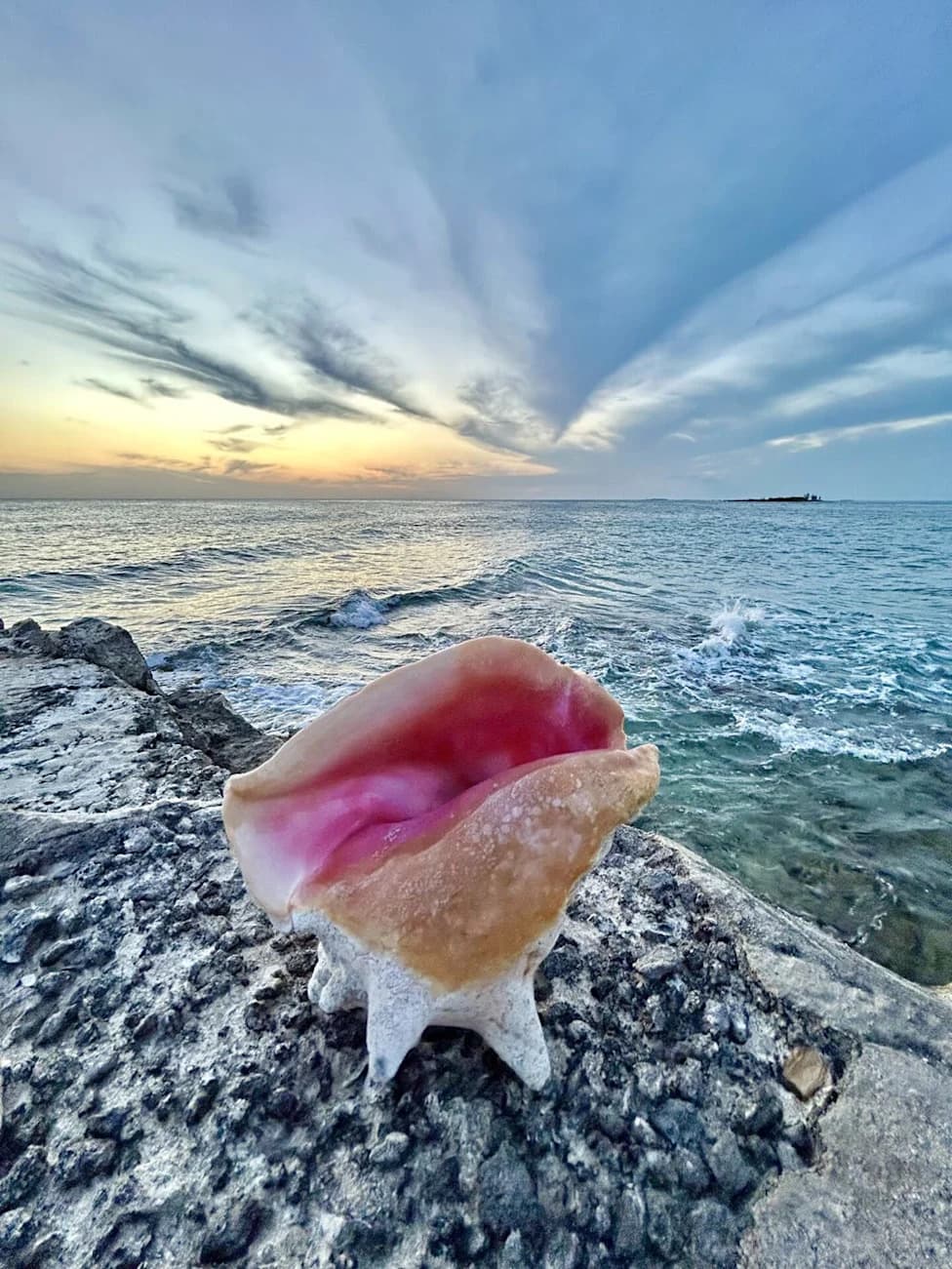
Missed deadline further threatens iconic Florida queen conch
Federal protections intended to shield the queen conch — an iconic marine mollusk of the Florida Keys — have been delayed, and conservationists say that lapse is putting remaining breeding populations at risk.
Lawsuit Targets Missed Deadline
The Center for Biological Diversity filed suit against the National Marine Fisheries Service (NMFS) in July 2026, alleging the agency failed to meet its statutory duty to designate critical habitat for the queen conch after the species was listed as threatened under the Endangered Species Act on February 14, 2024. NMFS earlier said there was "inadequate data" to map critical habitat precisely and legally took an extra year to propose boundaries; that follow-up deadline (February 2025) was missed, and as of July 2026 no critical habitat has been published.
Development Projects Near Key Breeding Sites
Conservationists warn two Broward County projects could harm nearby conch aggregations: the Broward County Sand Bypass project (which would excavate a 10.8-acre pit to trap sand for beach renourishment) and a proposed expansion of Port Everglades to deepen and widen the harbor. Although the U.S. Army Corps of Engineers withdrew its state permit application for the Port Everglades dredging project in April 2026, advocates say the plan remains a major threat to one of Florida's few known reproductively active aggregations.
"Some of the analyses undertaken for the permitting of both of those projects were not as thorough as they might have been," said Alex Muir, an attorney with the Center for Biological Diversity.
A NMFS spokesperson declined to comment on matters of ongoing litigation when contacted by the USA TODAY Network.
Why Habitat Matters: Biology and Ecosystem Role
Queen conch are large marine gastropods found across the Caribbean, around Bermuda and in the Florida Keys. According to NOAA, they are long-lived (typically 25–30 years), have a spawning season of roughly four to nine months, and reproduce via internal fertilization — which requires individuals to come into direct contact to mate. That makes population density and protection of traditional spawning and nursery sites especially important.
Dr. Megan Davis, director of the Queen Conch Lab at Florida Atlantic University Harbor Branch Oceanographic Institute, explains that conch seek shallow, coarse-sand areas with seagrass to spawn (commonly April–September). Juveniles depend on seagrass beds and feed on diatoms that coat the blades; grazing by conch helps keep seagrass healthy and supports diverse coastal food webs.
Threats: Overfishing, Habitat Loss and Climate Change
Overharvesting for meat remains an existential risk: when populations are reduced too far, individuals can become too sparse to find mates. Habitat degradation from dredging, urban runoff and coastal development further reduces suitable nursery areas. Climate-driven changes — stronger storms, heavier rainfall and higher seas — can bury or alter habitats, damaging both adult and juvenile life stages.
What the Lawsuit Seeks
The Center for Biological Diversity wants NMFS to set and commit to a clear timetable for proposing and finalizing critical habitat for the queen conch. Any proposed designation would trigger public comment under the Administrative Procedure Act, allowing stakeholders and the public to weigh in on protections and mitigation measures.
Outlook
Protecting identified breeding and nursery areas is critical to recovery: marking those sites as critical habitat would require federal reviewers to evaluate and avoid actions that would "destroy or adversely modify" them. Until such designations are made, advocates warn, planned and potential projects near known aggregations could undermine the species' chances of recovery.
Reporting: Sarah Perkel, South Florida Connect Reporter, USA TODAY Network. Sources include the Center for Biological Diversity, NOAA, NMFS and interviews with Dr. Megan Davis.
Help us improve.