DESNZ is considering buying and distributing free plug-in batteries to lower-income UK households to store cheap, off-peak electricity and use it when prices rise. Portable units that plug into a standard socket cost around £500 (about $664) and, according to Regen, could pay back their cost in roughly 30 months in some cases. The idea emerged from a policy sprint with Nesta, but would require safety reviews and changes to wiring regulations before rollout; procurement talks with the Crown Commercial Service and interest from GB Energy have been reported.
UK Eyes Free Plug-In Batteries For Low-Income Homes To Store Off-Peak Power And Cut Bills
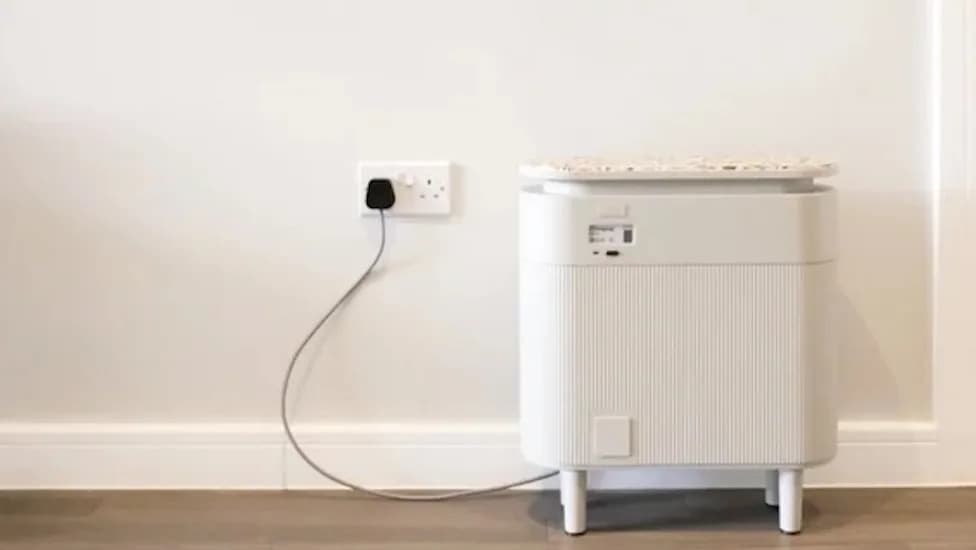
Photo Credit: Windfall Energy
The U.K. government is exploring a scheme to provide free plug-in home batteries to lower-income households so families can store inexpensive, off-peak electricity and use it when prices rise.
What’s Being Proposed
The Department for Energy Security and Net Zero (DESNZ) has been developing plans to bulk-purchase portable plug-in batteries and distribute them to eligible households, according to reporting in The i Paper. The units plug into a standard socket, are roughly the size of a small suitcase and are designed to be portable — removing the need for specialist installation or rewiring.
How It Would Work
If a household is on a time-of-use tariff, it could charge a plug-in battery during cheaper, off-peak hours and draw from that stored electricity during more expensive peak periods. That reduces reliance on higher-priced grid power at peak times and can lower overall energy bills.
Cost And Payback
These devices are substantially cheaper than hardwired home battery systems because they avoid installation labor and rewiring. Some models retail for about £500 (roughly $664), and the clean-energy charity Regen estimates certain units could recover their cost in about 30 months under favourable conditions.
Policy Origins And Partners
The proposal reportedly emerged from a summer policy "sprint" run by DESNZ with the innovation charity Nesta to identify faster measures to cut household energy costs. DESNZ has held procurement talks with the Crown Commercial Service (the government procurement body) and has discussed potential partnership with GB Energy, the publicly owned energy investment company.
"We've cut VAT on electricity to give families breathing space," a DESNZ spokesperson told The i Paper. "The Energy Secretary's focus is working to bring bills down for good."
Safety, Regulation And Next Steps
Plug-in batteries (and similar plug-in solar products) are not yet permitted in Great Britain because current wiring regulations do not address devices that can feed electricity back into household circuits. Before any rollout, DESNZ would need to complete safety reviews and update wiring rules and other regulations. The government says it is still gathering evidence on the feasibility and safety of the approach.
Who Would Benefit
The scheme is aimed at lower-income households. Previous Warm Homes Plan proposals suggested an eligibility threshold of around £35,000 total household income (about $46,500), and the same benchmark could be applied here if the scheme proceeds.
Potential Benefits For Households And The Grid
Beyond direct bill savings for participating households, broader uptake of inexpensive short-term storage could ease peak demand, allow cleaner generation to be used more effectively during lower-demand periods and reduce stress on distribution networks.
Limitations: Actual savings will depend on tariff structures, household consumption patterns and the specific device used. Safety certification and regulatory changes are essential prerequisites before any device can be widely deployed.
Help us improve.