A Munich regional court found that AI music firm Suno infringed copyrights by processing works represented by Germany's collective rights agency Gema and must disclose revenues from the unauthorized use. The ruling requires damages to be paid, though the amount is not yet set, and can be appealed. Gema and more than 1,800 artists backing class actions say the case is a landmark for creators' rights as AI music platforms face increasing legal scrutiny.
Munich Court Rules AI Music Firm Suno Broke Copyrights, Orders Disclosure of Revenues
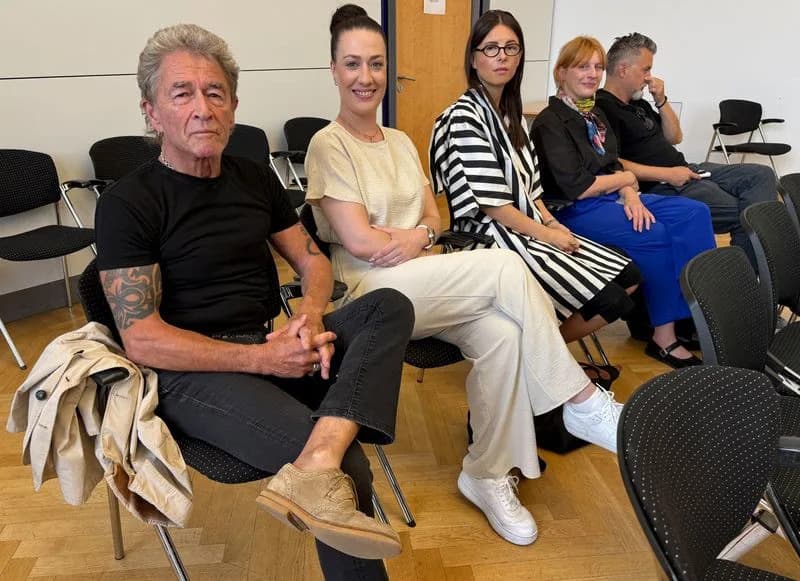
Munich Regional Court to rule in AI lawsuit Gema vs Suno
A Munich regional court has ruled that AI music company Suno infringed copyrights and must disclose revenues generated from the unauthorized use of protected songs, in a landmark case brought by Germany's collective rights agency Gema.
The court found that Suno did not have the legal right to process works by artists represented by Gema and said the company must pay damages, although the amount has not yet been determined. The decision can be appealed to a higher court.
"This is a verdict of global significance," Gema Chief Executive Tobias Holzmueller told Reuters.
Gema's lawsuit targeted Suno's use of freely available music hosted on Alphabet's YouTube from several performers, including the 1980s band Alphaville, known for hits such as "Forever Young" and "Big in Japan."
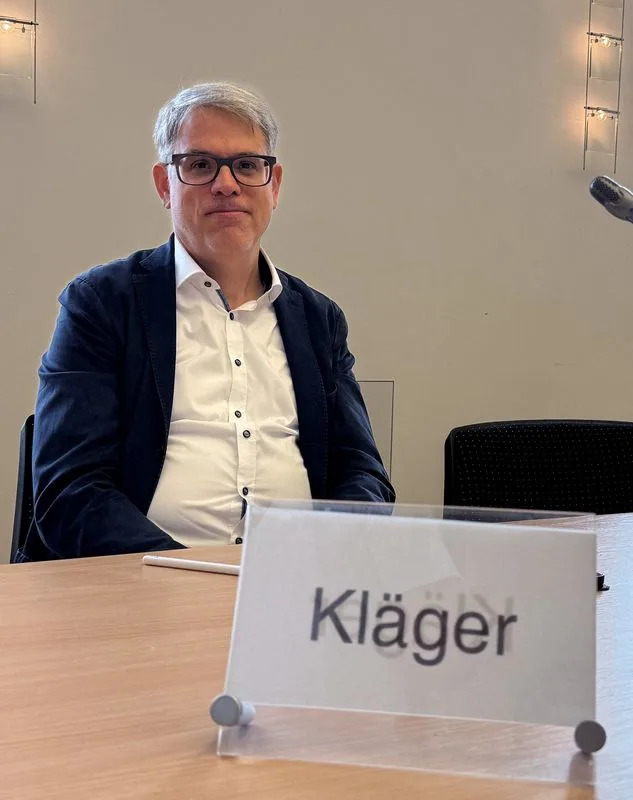
Munich Regional Court to rule in AI lawsuit Gema vs Suno
Massachusetts-based Suno, valued at $5.4 billion in a June funding round, allows users to generate songs by entering text prompts. The company said it disagrees with the ruling and will evaluate all available options, including an appeal.
The ruling comes amid a wave of litigation against AI music platforms, which artists and publishers say have failed to fairly compensate composers. More than 1,800 artists are supporting class-action suits against Suno and rival Udio.
Why It Matters
The decision is likely to influence how AI models are allowed to use copyrighted recordings and may affect licensing practices for training and content generation across the music industry. Regulators and policymakers have signaled growing interest in a regulatory framework that protects creators while enabling innovation.
German culture representative Wolfram Weimer described the verdict as an important signal for protecting creators' rights in the digital music sector: "We need a regulatory framework that strengthens innovation and creativity," he said.
Help us improve.