Tribal Nations and preservation groups strongly oppose an ACHP proposal to revise Section 106 regulations, arguing the changes would reduce required tribal consultation and weaken protections for sacred and culturally significant places. Critics say the draft shortens review timelines, prioritizes built structures over cultural landscapes, and expands agency discretion in ways that could limit tribal influence. Supporters call the updates a needed modernization; tribes warn that efficiency must not come at the expense of Indigenous cultural resources.
Tribal Nations and Preservationists Push Back Against ACHP Proposal to Weaken Section 106 Protections
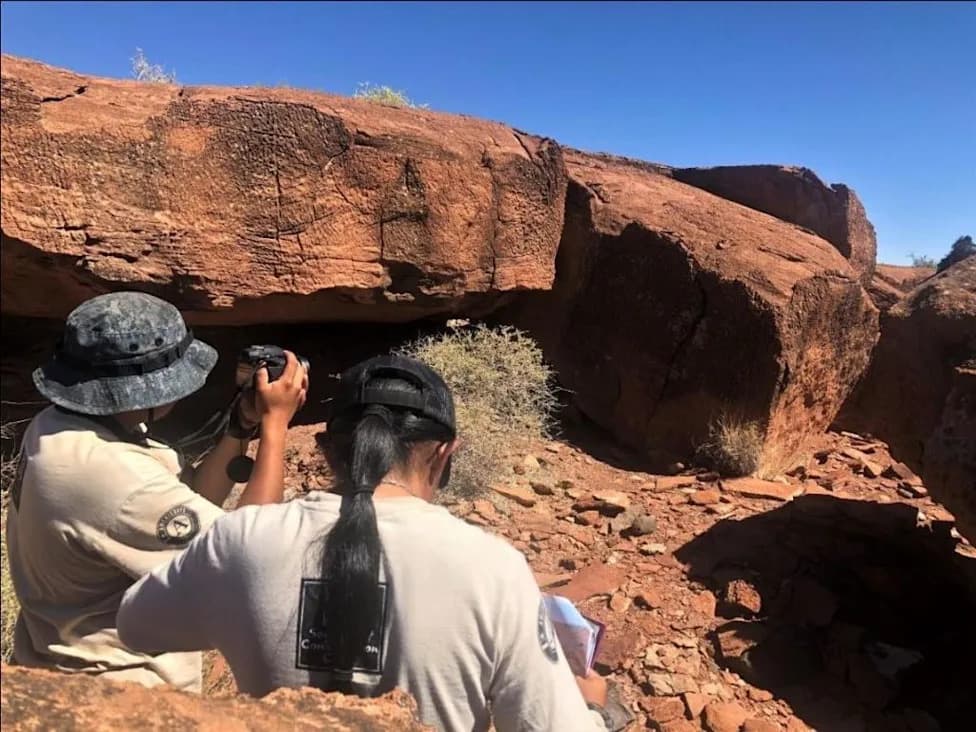
A Tribal Historic Preservation Officer (THPO) documenting a cultural site. (Photo/Southwest Conservation Corps)
Tribal Nations and historic preservation advocates are raising strong objections to a proposed rule from the Advisory Council on Historic Preservation (ACHP) that would revise the regulations implementing Section 106 of the National Historic Preservation Act. Opponents say the draft rule would reduce federal obligations to consult with tribes and could weaken protections for sacred places, traditional cultural properties, burial grounds, and other Indigenous cultural resources.
What the Proposal Would Change
The draft rule would alter how federal agencies identify and evaluate the effects of federally funded, licensed, or permitted projects on historic properties. Key changes include shorter review timelines, a narrower focus on built structures, and expanded agency discretion over when consultation and additional review are required. The changes would affect a broad range of federally connected activities, including highways, energy development, mining, transmission lines, dams, and water infrastructure.
Why Tribal Nations and Preservationists Are Alarmed
- Reduced Consultation: Critics contend the draft diminishes government-to-government consultation that tribes view as central to the federal trust responsibility.
- Shorter Timelines: Compressed review windows may strain Tribal Historic Preservation Offices and tribal cultural resource staff who already work with limited funding and personnel.
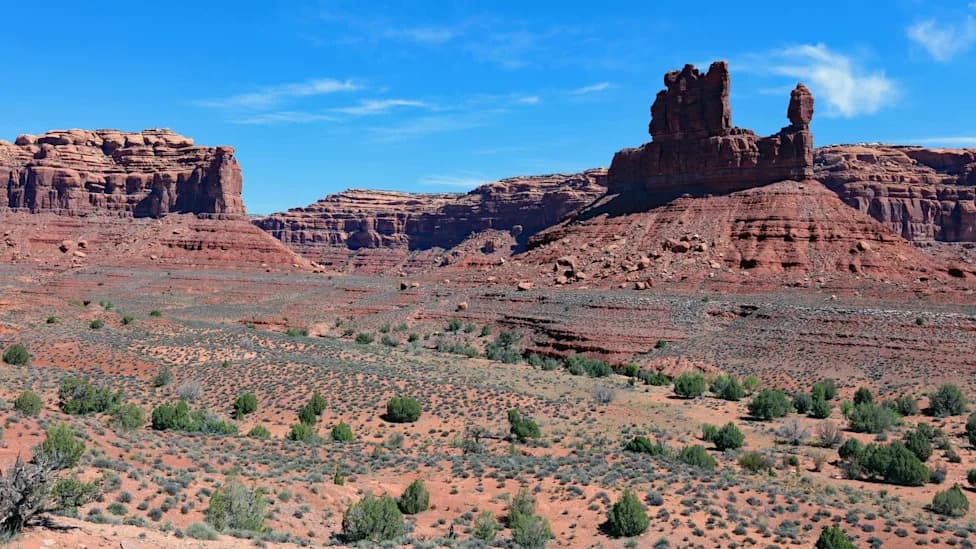
- Narrower Definitions: Opponents warn the draft emphasizes standing buildings and archaeological sites while sidelining broader cultural landscapes such as sacred mountains, rivers, ceremonial areas, burial grounds, and ancestral homelands.
- Increased Agency Discretion: Greater agency authority to determine when consultation or further review is necessary could reduce tribes' opportunities to influence decisions before projects advance.
"Section 106 has never been exclusively about preserving historic buildings or archaeological sites. For Native Nations, it is one of the few laws that operationalizes the federal trust responsibility by requiring meaningful government-to-government consultation before federal actions may irreversibly affect sacred places, traditional cultural properties, and other places of religious and cultural significance," the Association on American Indian Affairs said in a statement.
Supporters' Arguments and The Stakes
Proponents of the revisions say they are intended to modernize the review process, reduce unnecessary delays, improve permitting efficiency, and create greater predictability for infrastructure and energy projects. Tribal leaders and preservation groups, however, caution that efficiency gains should not come at the cost of meaningful consultation or the protection of irreplaceable Indigenous cultural resources.
If finalized, these revisions could reshape how federal agencies engage with Tribal Nations on thousands of projects nationwide, making the outcome of this rulemaking one of the most consequential preservation issues facing Indian Country in recent years. The ACHP is currently accepting public comments on the proposed rule before issuing a final regulation.
Help us improve.