The University of Oxford review, published in Primates, compiles 303 literature cases, surveys from 66 primatologists and 58 media reports documenting primates interacting with other species. Reported behaviours include carrying, grooming, playing with and in some cases raising animals of different species — with examples from Sri Lanka, China and Brazil. Researchers say these interactions often lack obvious short‑term benefits, implying deep evolutionary roots for curiosity, tolerance and caregiving. The findings could inform both evolutionary theory and practical management at mixed‑species sanctuaries and zoos.
Monkeys Sometimes Keep 'Pets' — Oxford Review Finds Cross‑Species Bonds Are Widespread
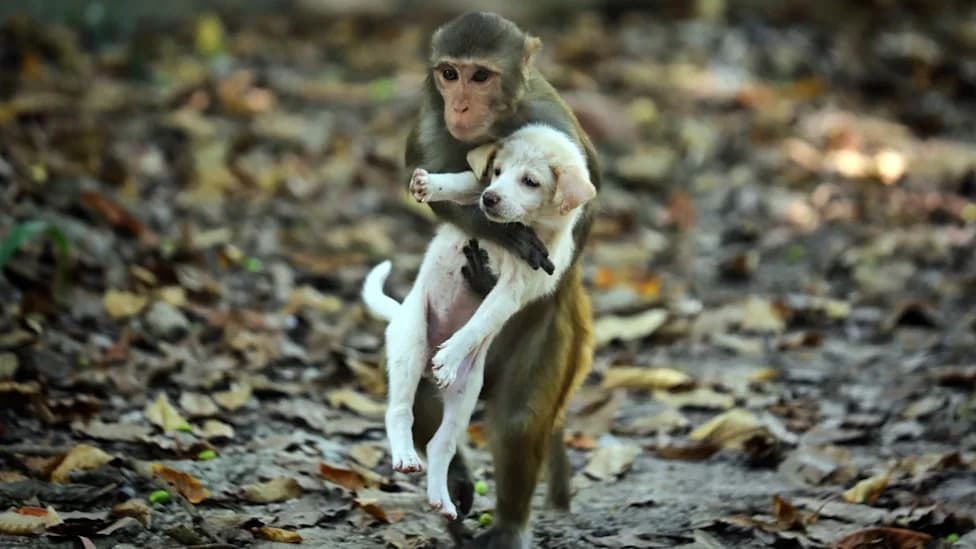
A review of over 300 cases of inter-species friendships indicates primates are also socially curious.
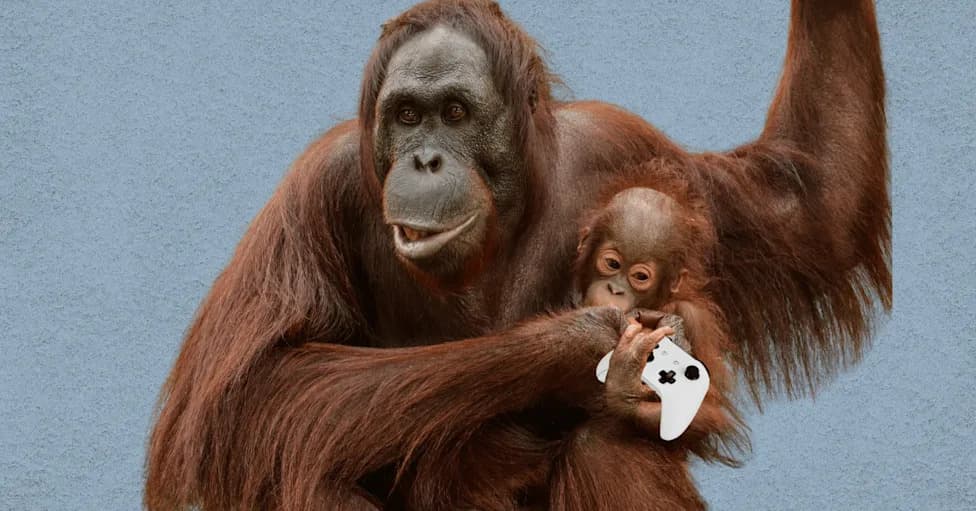
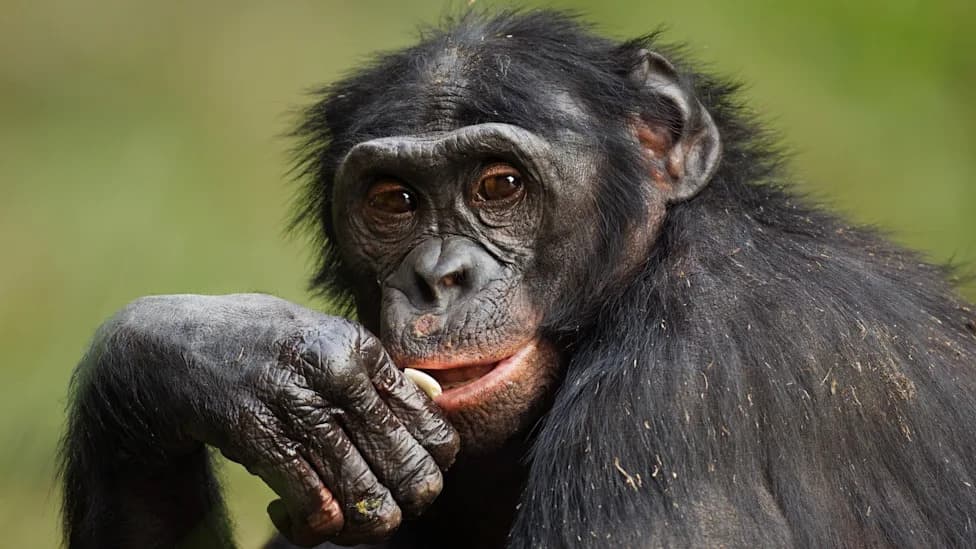
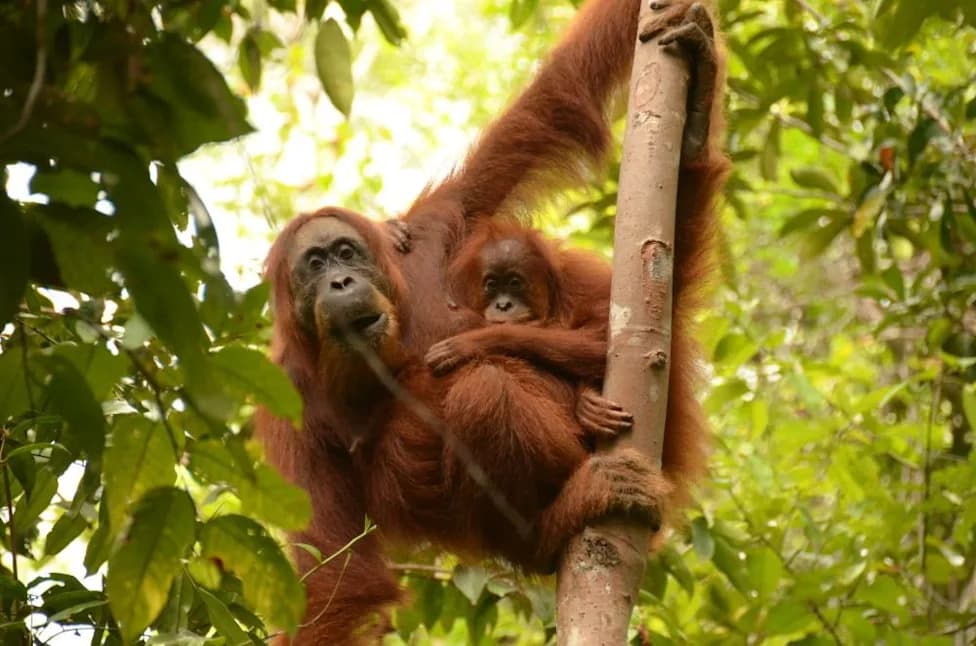
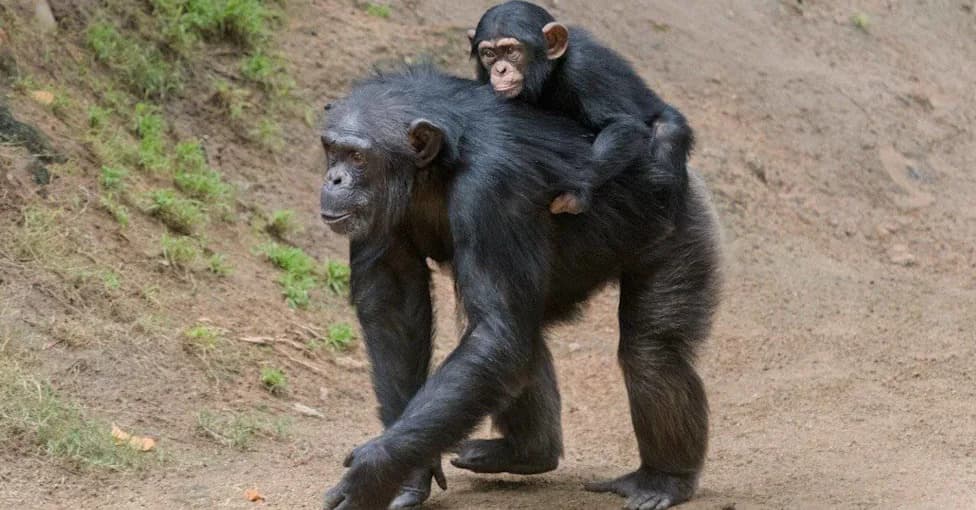
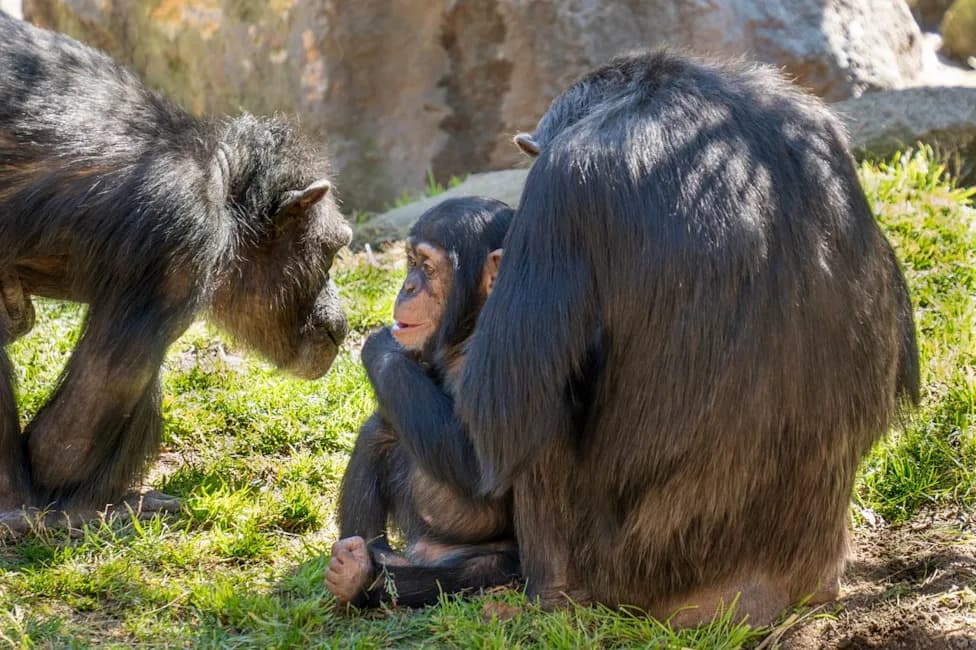
Humans are not the only primates that form close connections with other species. A comprehensive review led by anthropologists at the University of Oxford, published in the journal Primates, compiles hundreds of reports showing monkeys and apes carrying, grooming, playing with — and in some cases raising — animals of other species.
Study and Methods
The researchers assembled evidence from three sources: 303 documented cases in the scientific literature, responses to surveys from 66 primatologists, and 58 media reports describing cross‑species interactions involving non‑human primates. The dataset includes diverse and striking examples from the wild and in human‑influenced environments.
Notable Examples
Examples cited in the review include tufted gray langurs (Semnopithecus priam) petting squirrels in Sri Lanka, Yunnan snub‑nosed monkeys (Rhinopithecus bieti) playfully interacting with domestic pigs in China, and capuchin monkeys (Sapajus libidinosus) in Brazil reportedly caring for an infant marmoset for several months.
"They may represent some of the evolutionary building blocks from which human‑animal companionship eventually emerged," said study coauthor Cyril Grueter, who cautioned that these behaviours are not identical to human pet ownership.
How These Interactions Differ From Mutualism
Cross‑species interactions are widespread in nature, but many are clearly mutualistic or pragmatic — such as mixed fish schools or vigilant associations between zebras and ostriches. By contrast, many of the primate behaviours documented in this review (grooming, napping, playing or caregiving) show no obvious short‑term survival benefit, suggesting that curiosity, tolerance and caregiving impulses may be deeper features of primate sociality.
Implications
The authors argue the findings shed light on the evolution of empathy, social flexibility and the capacity to form affiliative ties beyond one’s own species. Practically, better understanding positive cross‑species relationships could inform management practices at mixed‑species wildlife sanctuaries and zoos, helping to improve animal welfare by accommodating tolerant or caregiving partnerships.
Bottom line: The review suggests that cross‑species companionship among primates is more common than previously appreciated and may reflect ancestral tendencies that contributed to later human‑animal bonds.
Help us improve.