A review of 83 published cases from 15 field sites finds that chimpanzee and bonobo mothers carry deceased infants for between 30 minutes and 126 days, with an average of about 11 days; some corpses even mummified while being carried. Longer carrying was linked to death by disease, older infant age, longer interbirth intervals and cooler temperatures, while infanticide cases were rarely followed by prolonged carrying. The authors argue that persistent maternal behavior and environmental and life-history factors explain these patterns but do not rule out the apes' capacity to recognise death.
Why Chimp and Bonobo Mothers Sometimes Carry Dead Infants — Even Until They Mummify
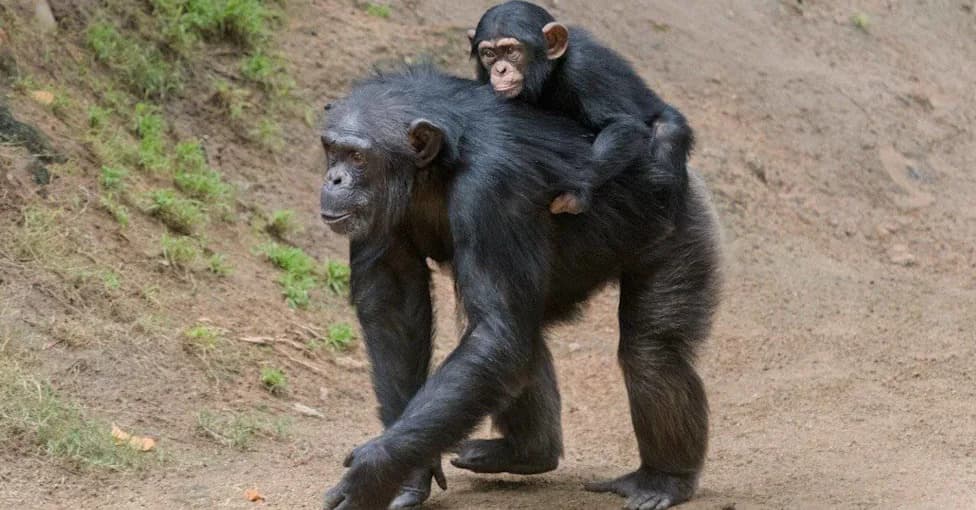
Chimpanzee Lifespan - Chimpanzee baby on mother's back© iStock.com/JeannetteKatzir
Researchers have long recorded that some animals appear to mourn. Among great apes, chimpanzee and bonobo mothers are often observed carrying their dead infants on their backs for days, weeks or even months — in some cases until the remains mummify.
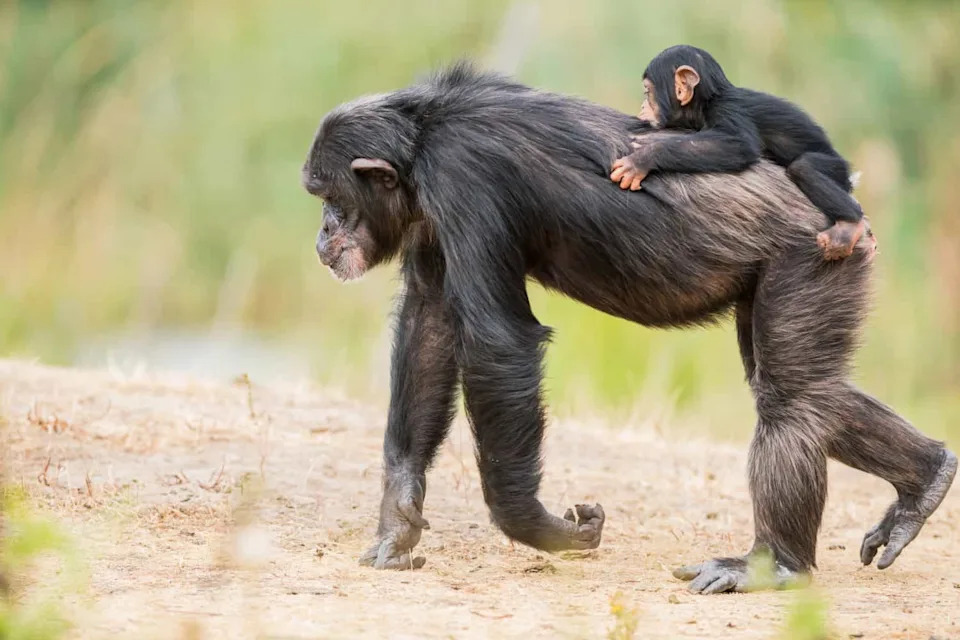
Chimpanzee and bonobo mothers were noted to carry their deceased infants on their backs between 30 minutes and 126 days after the death.©Marcel Derweduwen/Shutterstock.com
A new meta-analysis published in Biology Letters reviews 83 published instances of this behavior, known as infant corpse carrying (ICC), from 15 field sites. Rather than new field observations, the study by Reece Hammond (doctoral candidate) and Professor Thomas A. Püsche of Oxford's School of Anthropology and Museum Ethnography synthesizes past reports to identify patterns in how long mothers carry deceased infants and which factors predict longer carriage.
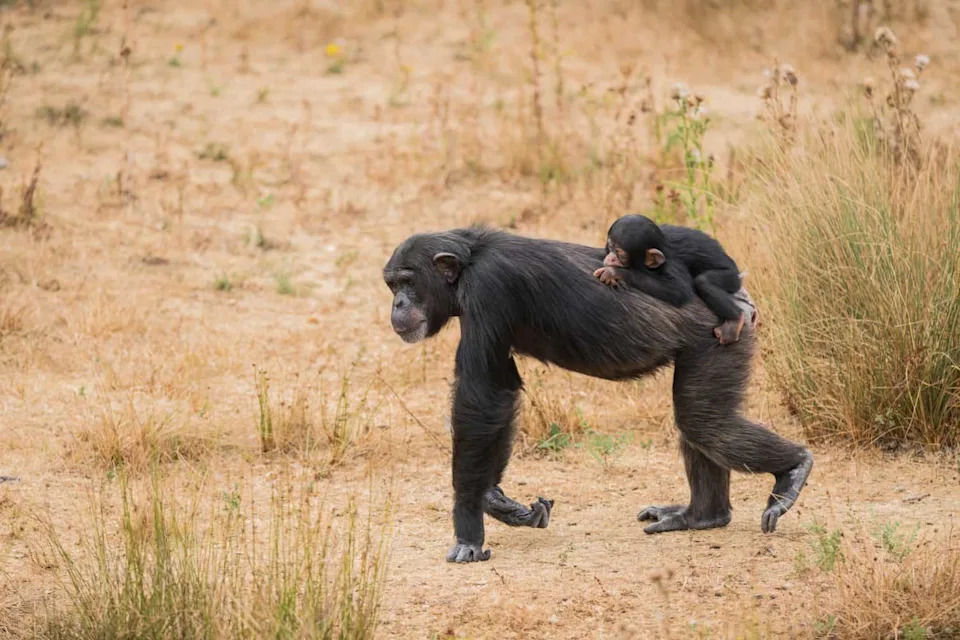
Mother bonobos and chimpanzees carried deceased infants longer if the infant died of disease, was older at the time of death, or the temperature was cooler.©Marcel Derweduwen/Shutterstock.com
How Long Do Mothers Carry Dead Infants?
The compiled cases show a wide range of durations: from as little as 30 minutes up to 126 days. On average, mothers carried deceased infants for about 11 days. In several instances the infant's body dried and mummified while being carried, producing some of the longest reported durations.
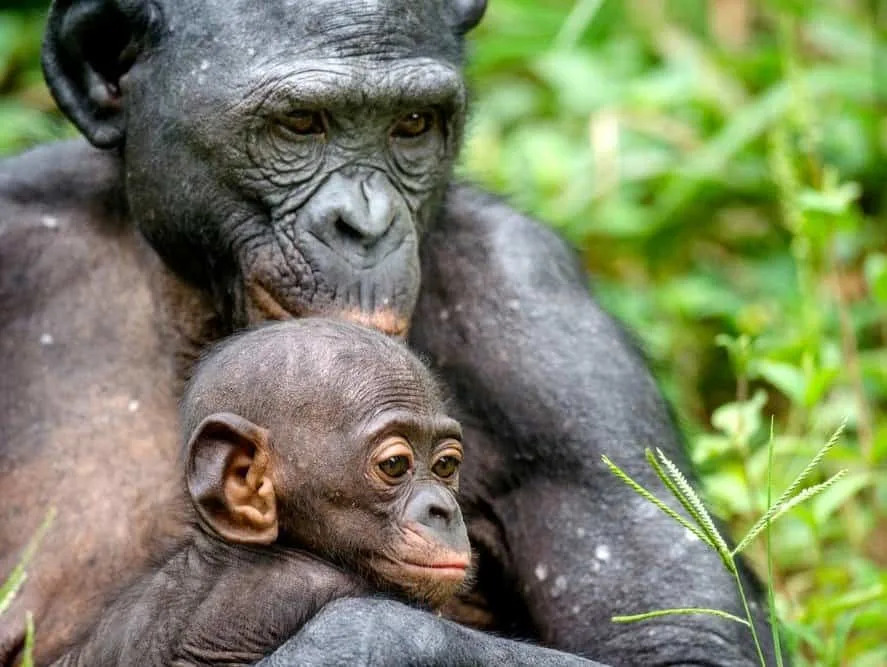
Mother bonobos and chimpanzees form a strong bond with their infants that can continue well into their juvenile years.©Sergey Uryadnikov/Shutterstock.com
Which Factors Predict Longer Carrying?
The analysis found several consistent predictors of extended carrying:

It is not clear whether chimpanzees and bonobos recognize that death is final.©GUDKOV ANDREY/Shutterstock.com
- Cause of death: Infants that died from disease tended to be carried longer, while infants killed in infanticide were rarely carried for extended periods.
- Infant age: Older infants were carried for longer, consistent with a stronger established mother–infant bond.
- Interbirth interval: Mothers with longer gaps between births were more likely to carry a deceased infant for a longer time.
- Ambient temperature: Cooler conditions were associated with longer carriage, likely because lower temperatures slow decomposition and prolong the physical signs that may influence maternal behavior.
What Does This Say About Recognition Of Death?
The study emphasizes that these patterns can be explained without assuming that mothers do or do not understand death as irreversible. As the authors write in their conclusions, “The patterns can be explained by the persistence of maternal behavior and by social, life-history and environmental factors, but importantly, that does not mean these animals are incapable of recognizing death.”
In other words, prolonged carrying may reflect the strong persistence of caregiving instincts, contextual factors such as cause of death and temperature, or some degree of awareness about the infant's condition — and current data cannot decisively separate those explanations.
Why The Maternal Bond Matters
The strength of the maternal bond in these apes is substantial and has clear fitness consequences. Where maternal care is strong, infant survival through the first year is about 95%; when maternal bonds are weaker, first-year survival falls to roughly 75%. The researchers also note that bonobo males who maintain particularly close ties to their mothers are roughly four times more likely to sire offspring than males without such ties, underscoring how early-life relationships influence later social and reproductive success.
Takeaway
This review clarifies the circumstances associated with infant corpse carrying but does not settle whether chimpanzee and bonobo mothers conceptualize death the way humans do. Future work combining careful field observation with controlled comparative studies of cognition and social behavior will be needed to better understand how these apes perceive and respond to death.
Help us improve.