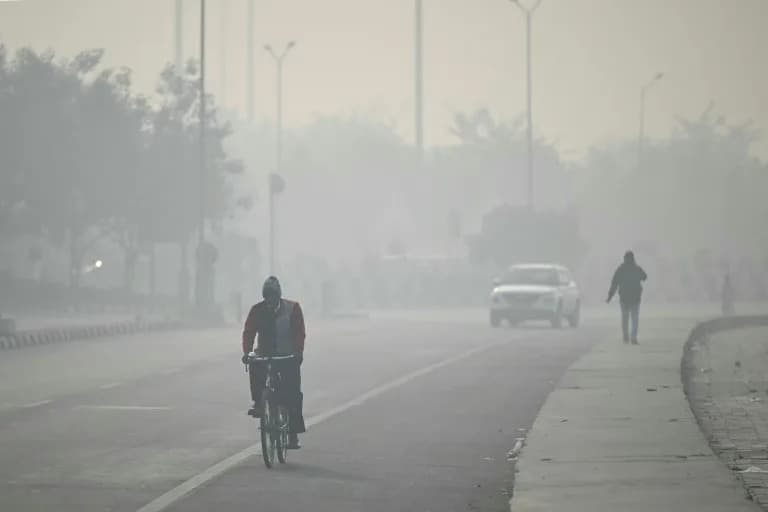
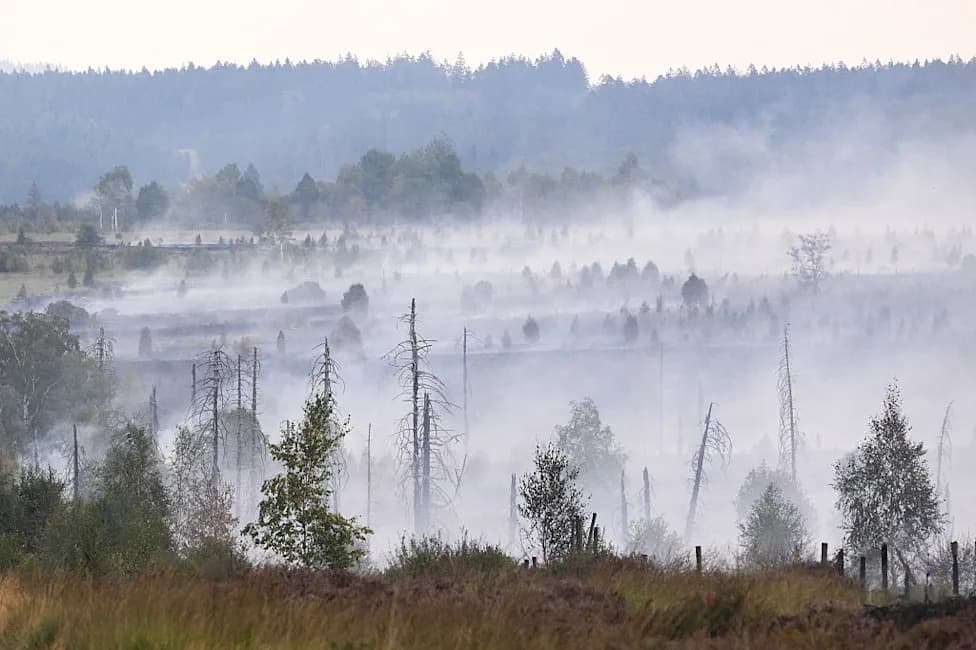
Wildfires across southern Europe are causing a public health emergency that reaches far beyond burning areas, the WHO warns. Smoke can travel hundreds to thousands of kilometres, carrying fine particles and toxic chemicals that can inflame the lungs and enter the bloodstream. People with respiratory or heart conditions, children and older adults face the greatest risk. WHO experts call for targeted public advice, equitable access to clean-air spaces and stronger training and resources for health services.
Beyond the Flames: WHO Warns Wildfire Smoke Is a Regional Health Emergency
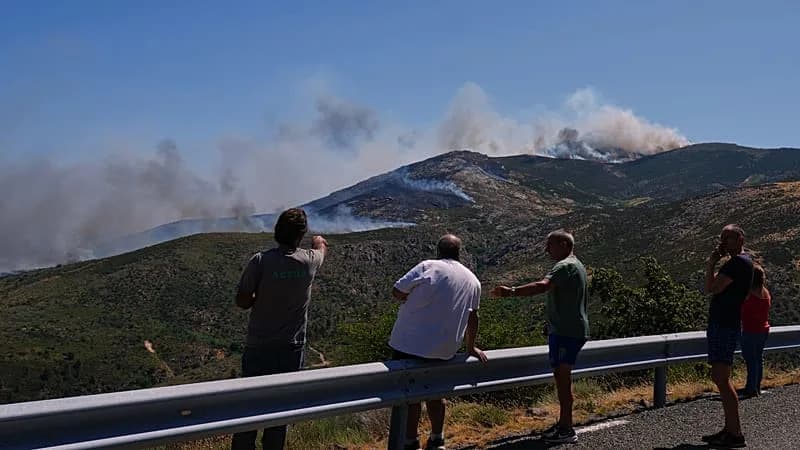
Wildfire smoke: A health emergency beyond the flames, WHO warns
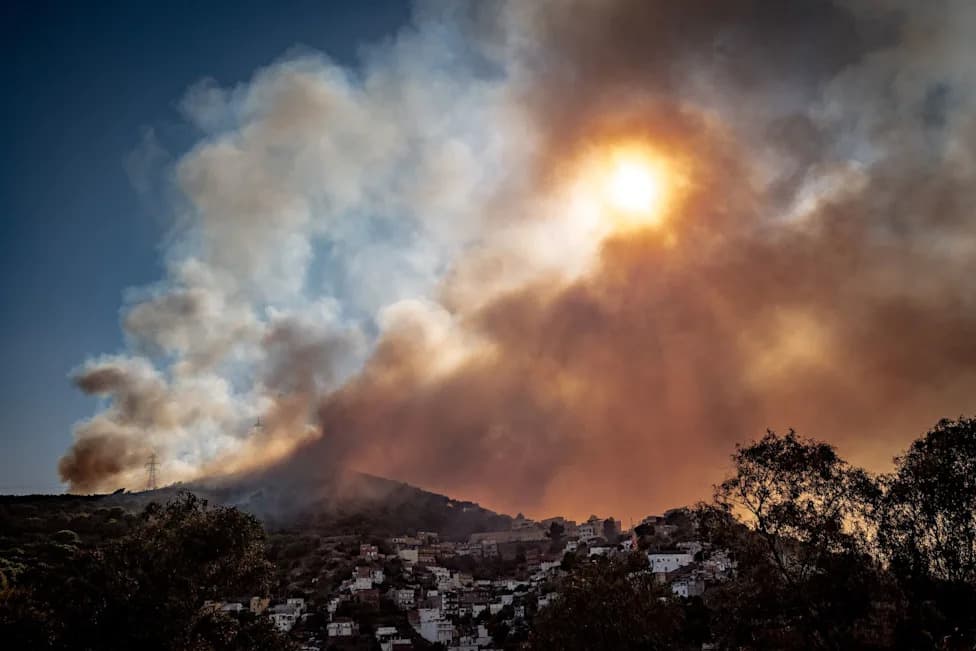
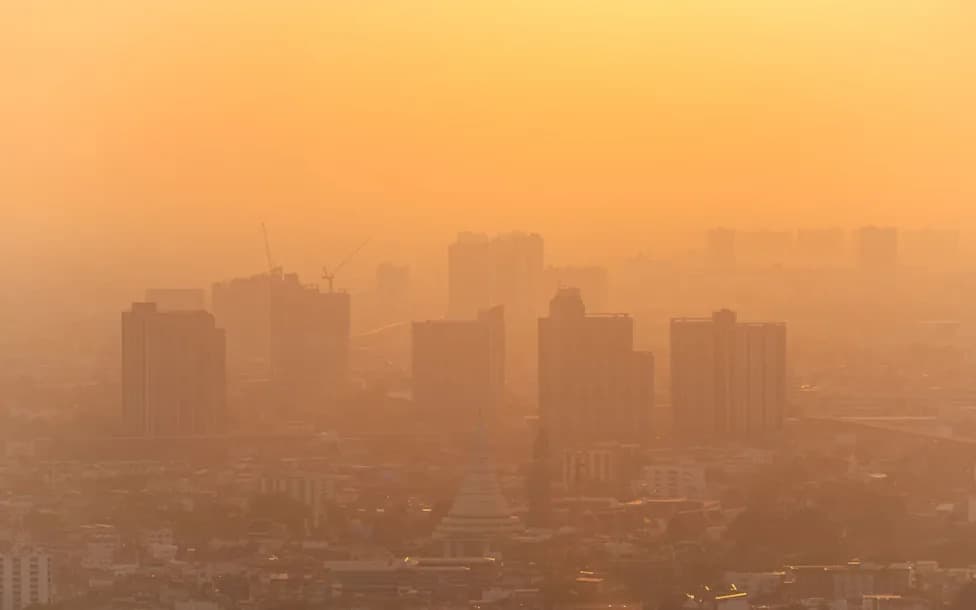
Fires sweeping southern Europe have created a public health emergency that extends well beyond the immediate danger of flames and evacuations. Smoke from wildfires can travel hundreds to thousands of kilometres, degrading air quality in distant towns and cities and putting growing pressure on healthcare services.
What Wildfire Smoke Contains
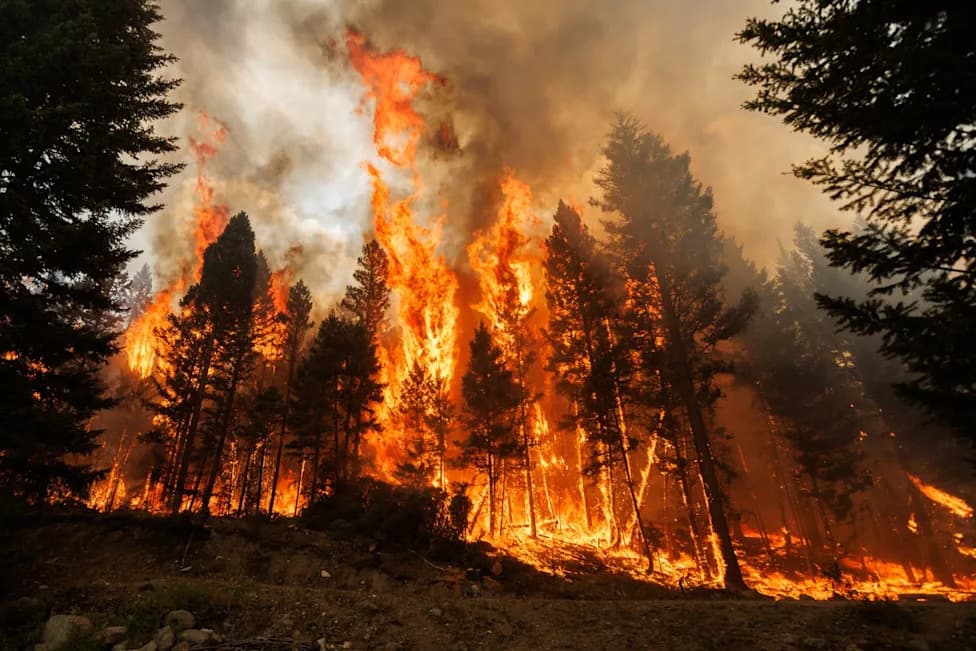
Wildfire smoke is a complex mixture of fine particulate matter, gases and toxic chemicals. Composition varies depending on what burns; natural vegetation produces different pollutants than burning buildings, plastics, electronics or paints, which can release particularly hazardous compounds.
Health Impacts And Who Is Most Vulnerable
Fine particles from smoke can penetrate deep into the lungs and enter the bloodstream, triggering inflammation and immune responses. For many healthy people symptoms are mild, such as sore throat, coughing or watery eyes. But people with asthma, chronic respiratory disease or heart conditions, as well as children and older adults, can experience severe and even life-threatening effects.
These are not merely fire episodes affecting livelihoods and creating this immediate danger; it is a true health emergency, said Dorota Jarosinska, Programme Manager at WHO's European Centre for Climate Change, Environment and Health. The impacts may continue long after the fire is out and can be felt far from the blaze.
Public Health Gaps And Equity Concerns
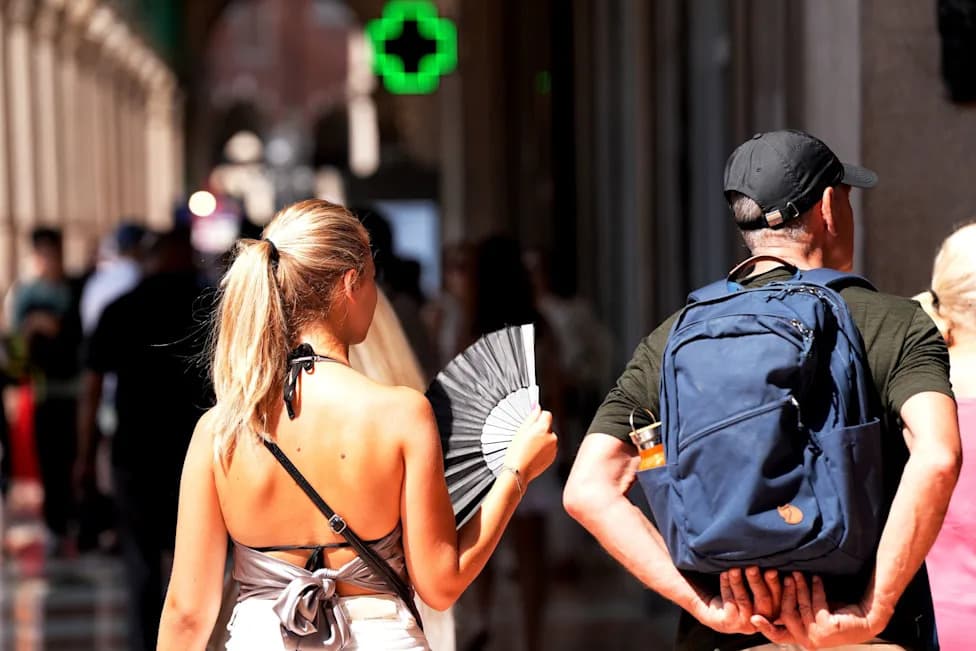
Public guidance tends to be broad — stay indoors, limit physical activity, use air conditioning and high-efficiency filters — and therefore benefits many. But that guidance can leave behind people who lack air-conditioned spaces, high-efficiency filters, reliable information or access to healthcare. Authorities should plan for equitable access to clean-air shelters and communication tailored to disadvantaged groups, including those who do not speak the local language or who cannot easily reach services.
What Health Systems And Authorities Should Do
- Ensure cool, clean-air shelters are available and accessible to all communities.
- Provide targeted, practical guidance that addresses different risk levels and vulnerable groups.
- Train healthcare workers to recognise, treat and communicate the health effects of poor air quality.
- Strengthen surveillance and surge capacity so health services can respond to spikes in respiratory and cardiovascular cases.
Practical Advice For Individuals
When smoke is present: limit outdoor activity, keep windows and doors closed, use indoor air purifiers if available, avoid strenuous exercise, and seek medical care if symptoms worsen. Those with chronic conditions should follow their care plans and have medicines readily available.
Wildfire smoke is a regional hazard that demands both immediate protective actions and longer-term planning to reduce harm, protect vulnerable populations and strengthen health system preparedness.
Help us improve.