The authors connect two vivid examples — the Eaton wildfire that displaced a Los Angeles family and contaminated their home, and a series of 12 separate billion-dollar weather disasters in Illinois in 2024 that killed 129 people — to argue that the climate crisis is already here and intensifying. They call for mandatory, plain-language federal climate-risk disclosures for homebuyers, climate stress tests by the Federal Reserve for banks and insurers, and protection of the EPA's authority to regulate pollution. These measures, they argue, are practical, low-cost protections families need now.
The Climate Crisis Is Here, Accelerating — Families Need Immediate Federal Protections
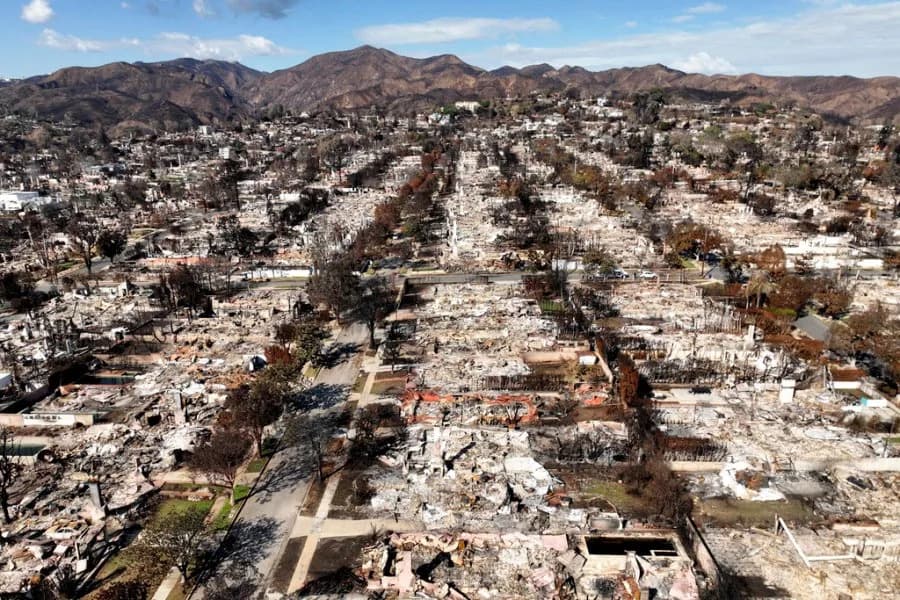
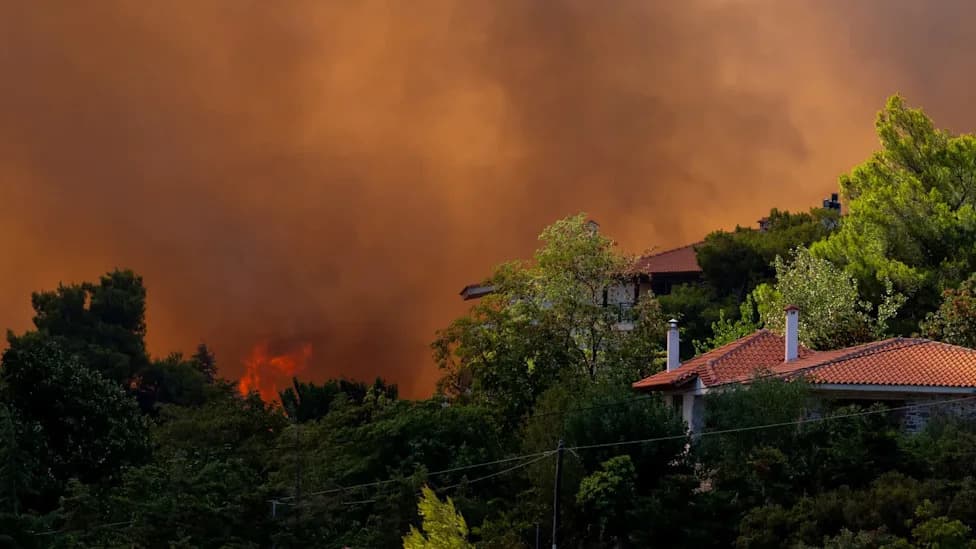
For 24 days in early 2025, the Eaton wildfire tore through neighborhoods in Los Angeles, moving block by block and leaving a hazardous, toxic environment in its path. Sam Strgacich had only eight minutes to evacuate his home and remains displaced. That sudden upheaval has jeopardized his family's long-term economic security — and it should not have to be this way.
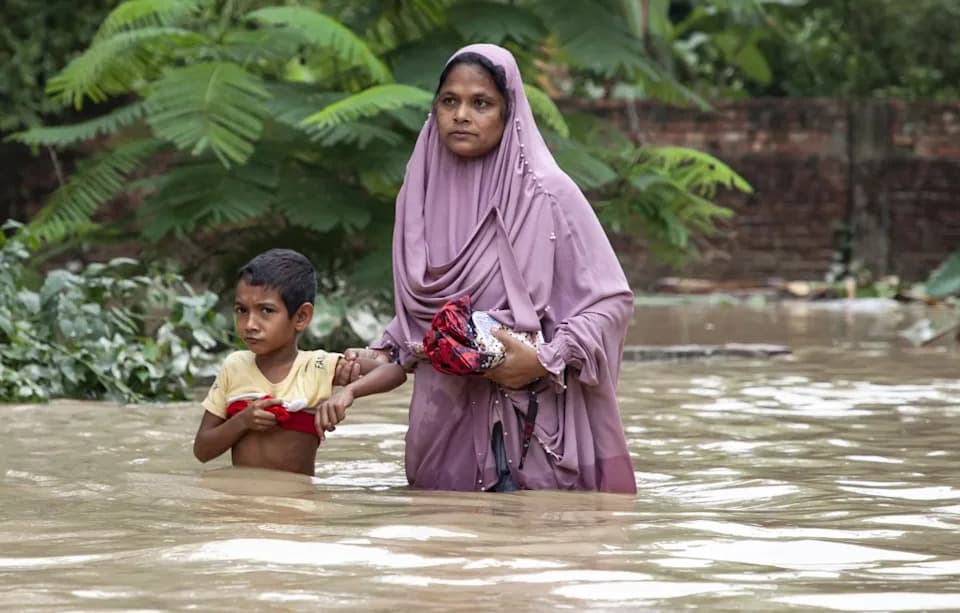
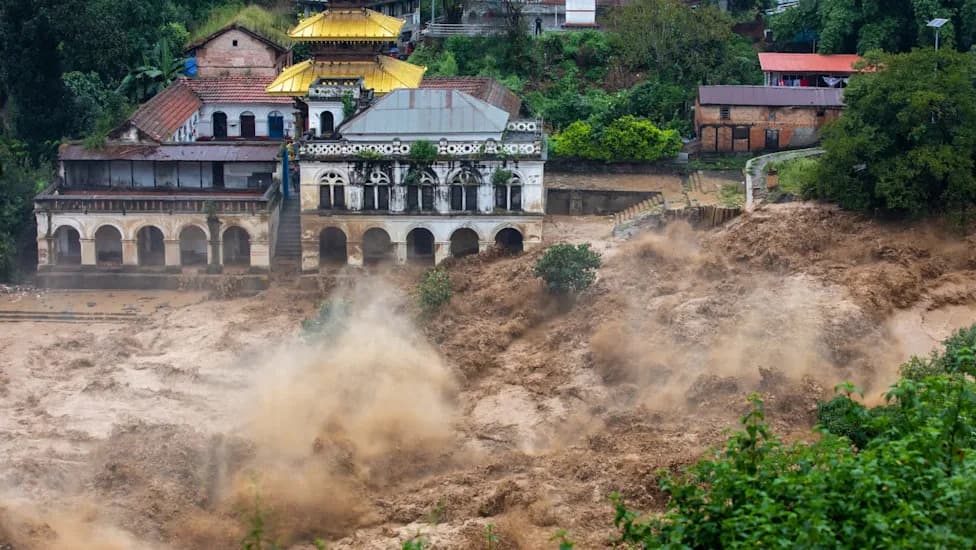
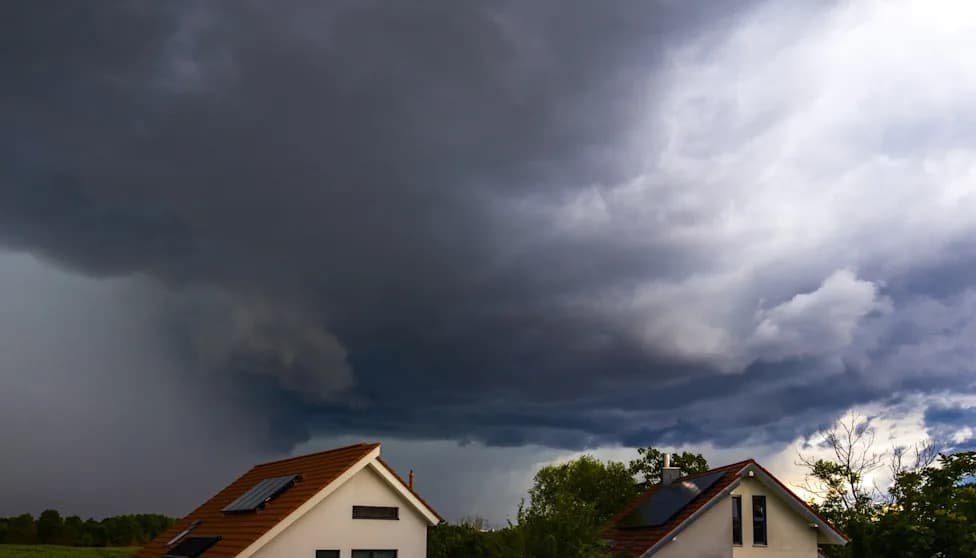
About two thousand miles away, Illinois endured a string of disasters in 2024: the state recorded 12 separate weather events that each caused more than $1 billion in damage to Illinois and neighboring states, and together they claimed 129 lives. Flooding, extreme heat and violent storms that once came once a generation now arrive season after season.
One Crisis, Many Fronts
These are not isolated incidents. They are facets of a single national crisis. Climate change knows no state lines or elevation. It is reshaping communities across the country, and federal leadership is essential to protect families, communities and the economy.
What Happened to the Strgacich Family
After the fire, Sam and his wife Rosanna thought they were fortunate because their house remained standing. Their insurer refused testing, so they paid for it themselves. Tests found toxic concentrations of lead, arsenic and nickel, rendering the property unsafe. Eighteen months later, they are carrying the cost of two homes because they had no choice but to buy another place to live. With their insurer unwilling to pay what it owes, their options are limited and their financial stability is at risk.
What Federal Policy Must Do
We can and must do better. First, every American who buys or rents a home should have a guaranteed right to clear, standardized, plain-language disclosures about a property's exposure to flood, wildfire, extreme heat and storm surge. These disclosures should not be buried in fine print, optional, or removable by private platforms at industry request.
Second, Congress should require the Federal Reserve to conduct climate stress tests on large banks and major insurers so we understand, before the next catastrophe, how exposed our financial system and communities are. Third, the Environmental Protection Agency must retain the legal authority to regulate climate pollution — the root driver of these intensifying disasters.
Every American who buys or rents a home deserves clear, standardized climate-risk disclosures, and our financial and regulatory systems must be stress-tested and empowered to respond.
These are practical, commonsense steps — a federal disclosure standard or a Climate Bill of Rights for Homebuyers would be inexpensive to implement and could spare countless families from financial ruin when disasters strike.
Since the Eaton fire, Sam has reflected on what rebuilding really means. A handful of items from his home were recently included in the Museum of Unnatural Disasters, a temporary exhibit in Washington, D.C., that made the human costs of climate change tangible. Their house is nearly back to normal, but the ordeal has altered their lives. Sam continues to contest his insurer and has joined the fight for federal action so other families do not endure the same nightmare.
We are two people from different parts of the country who reached the same conclusion: the climate crisis is not a distant threat. It is here, accelerating, and it demands immediate federal action.
Sean Casten represents Illinois's 6th District in Congress. Sam Strgacich is a climate advocate and resident of Los Angeles.
Help us improve.