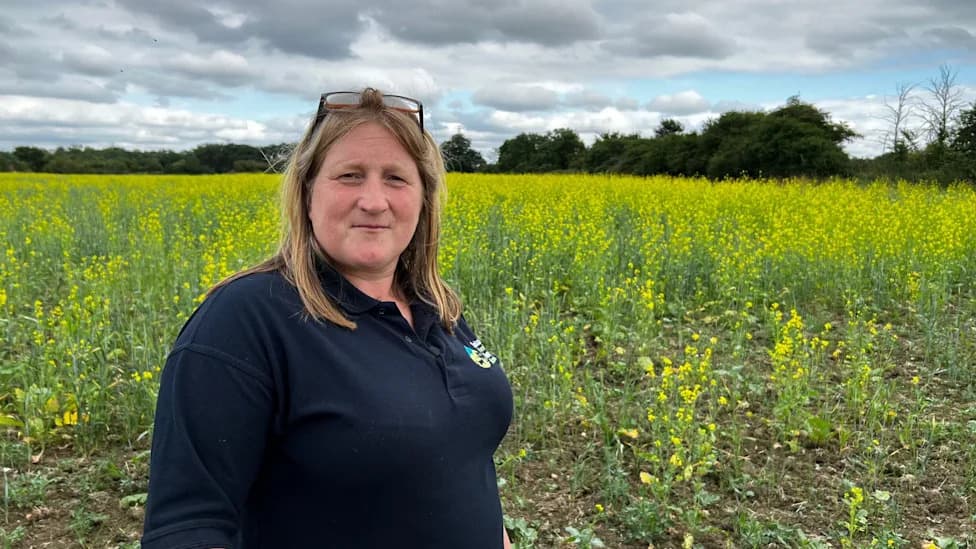
Andy Owens, a mixed farmer in Marden, Herefordshire, says flooding has risen from about twice a year when he was young to six or seven times each winter. In 2025 the farm recorded only 40 mm of rain from late March to early September, and drought reduced hay and silage production to roughly 30% of needs. The farm bought feed from South Wales, but income from a newly developed pumpkin patch covered those costs and helped keep the business commercially viable. Owens is also a member of the farmers' choir that won Britain’s Got Talent.
Herefordshire Farmer Keeps Afloat After Floods And Drought By Launching Pumpkin Patch
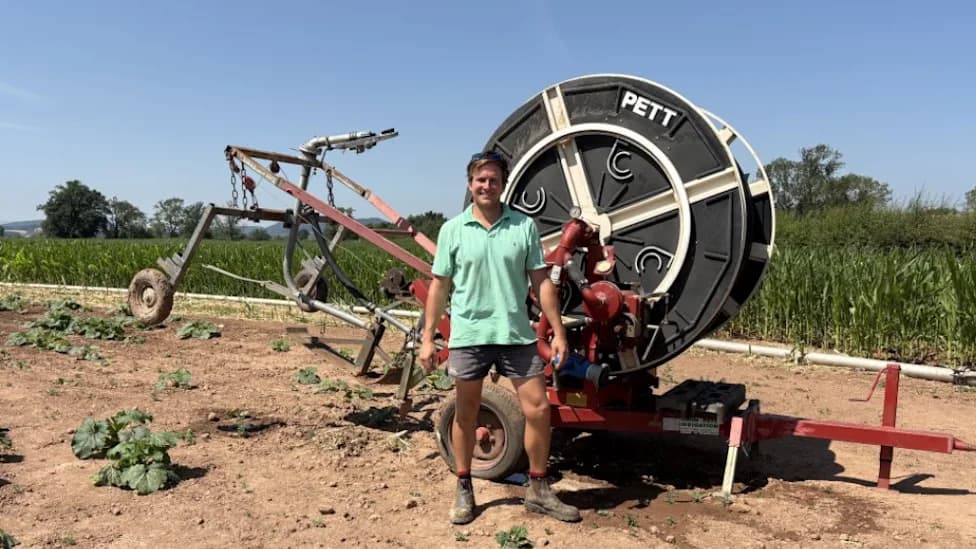
Andy Owens' farm has been hit hard by drought in the summer and flooding in the winter [BBC]
Andy Owens has watched the effects of climate change intensify on his family’s mixed farm in Marden, Herefordshire. Once flooded “maybe twice a year” when he was growing up, Owens says the land now floods “six or seven times” each winter, putting stock and staff at risk.
“We’re just struggling to farm it,”he told the BBC, describing occasions when the farmyard itself has been submerged and workers were forced to pull lambs and ewes from floodwater.
At the other extreme, drought has also hit the holding hard. Owens says that in 2025 the farm recorded just 40 mm of rain between the end of March and the beginning of September, leaving pasture burnt off and reducing hay and silage output to around 30% of requirements.
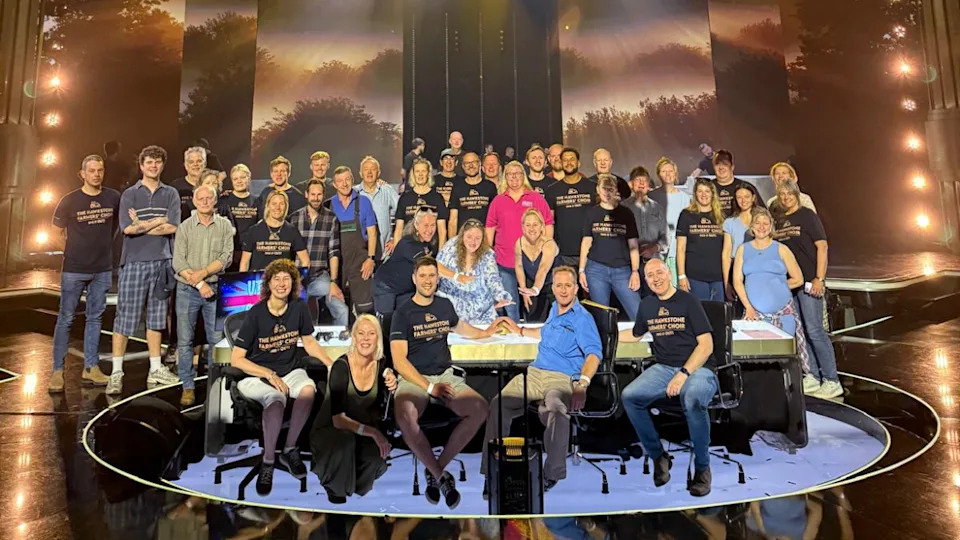
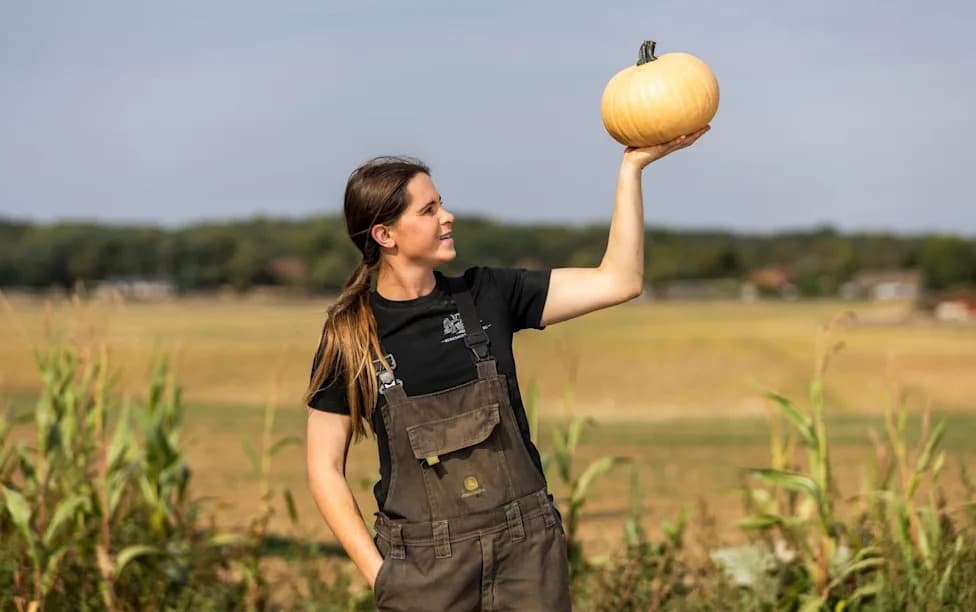
Owens was also a member of the farmers choir which won Britain's Got Talent in May [Will Rogers]
The shortfall forced the business to buy in feed and forage from suppliers in South Wales, adding to financial pressures. Managing the flock by moving sheep around the site has proved impractical and unsustainable as weather extremes become more frequent.
Diversification: From A Small Idea To A Lifeline
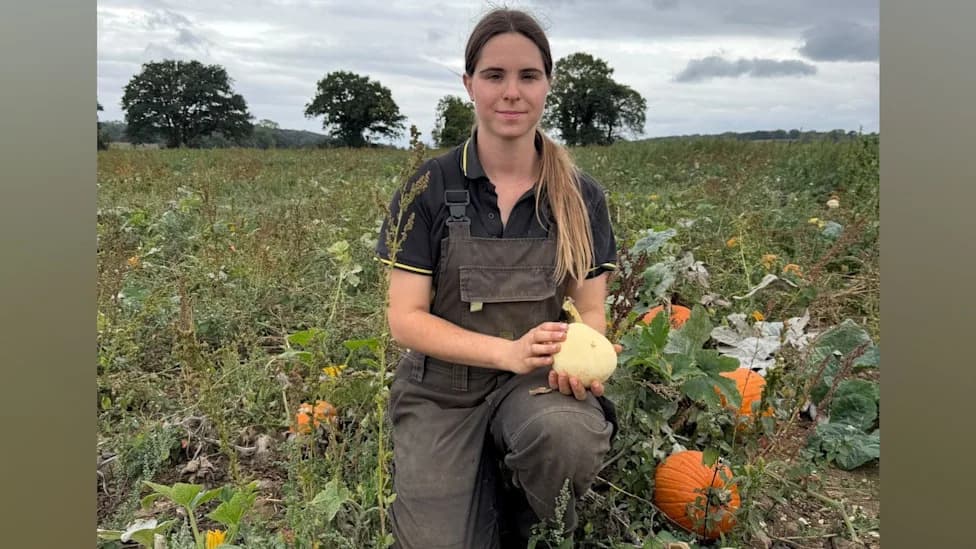
Facing rising costs and uncertain yields, Owens looked for new income streams. What began as a modest venture — a pumpkin patch — grew into a crucial revenue source. The money raised from the pumpkin sales covered the cost of the hay and silage the farm needed to buy, helping the business remain commercially viable.
“What we thought would be a little earner has become quite an important part of our business,” Owens said. “The income the pumpkin patch generated allowed us to keep going as a commercial farm.”
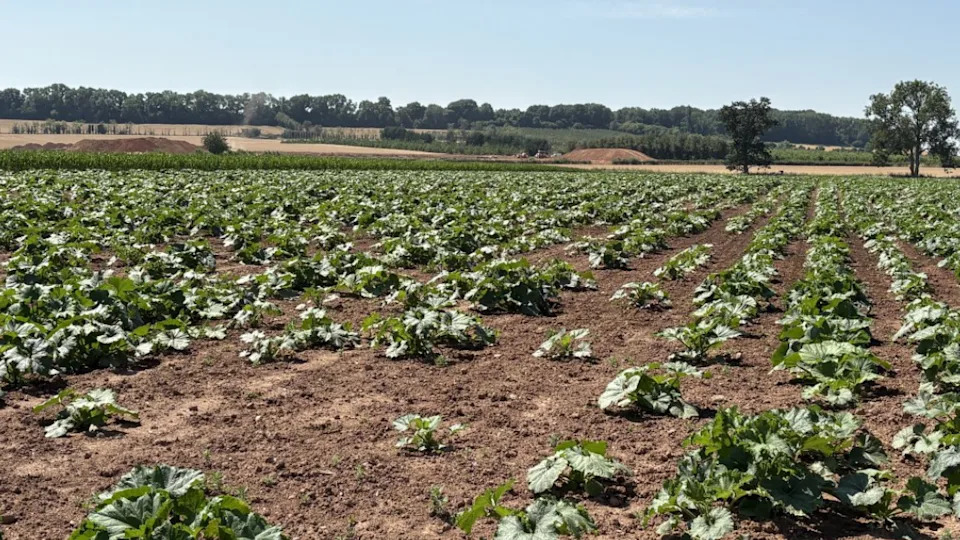
Despite suffering from drought and flooding, the farm is surviving - thanks in part to its pumpkin patch [BBC]
Owens is also known locally as a member of the farmers' choir that won Britain’s Got Talent. Despite the twin challenges of repeated flooding and prolonged drought, he says the farm is surviving largely because of diversification and adaptability.
Looking Ahead
The farm’s experience underscores how small-scale diversification can build resilience against climate-driven risks. Owens’ story is a reminder that, while extreme weather adds costs and uncertainty, creativity and new income streams can help family farms stay afloat.
Reporting credit: BBC Hereford & Worcester. Photo credit (farmers' choir): Will Rogers.
Help us improve.