Zoliflodacin, a first‑in‑class single‑dose oral antibiotic for gonorrhoea, was licensed in Thailand about six months after US approval, representing an important step for global access. The drug is active against highly drug‑resistant Neisseria gonorrhoeae and was evaluated in the largest gonorrhoea trial to date (930 patients across 16 sites). Led by GARDP through a public‑private partnership, early access planning and regulatory collaboration helped speed approval in a high‑burden country.
Thailand's Early Approval of Zoliflodacin Signals a Breakthrough for Super‑Gonorrhoea and Global Antibiotic Access

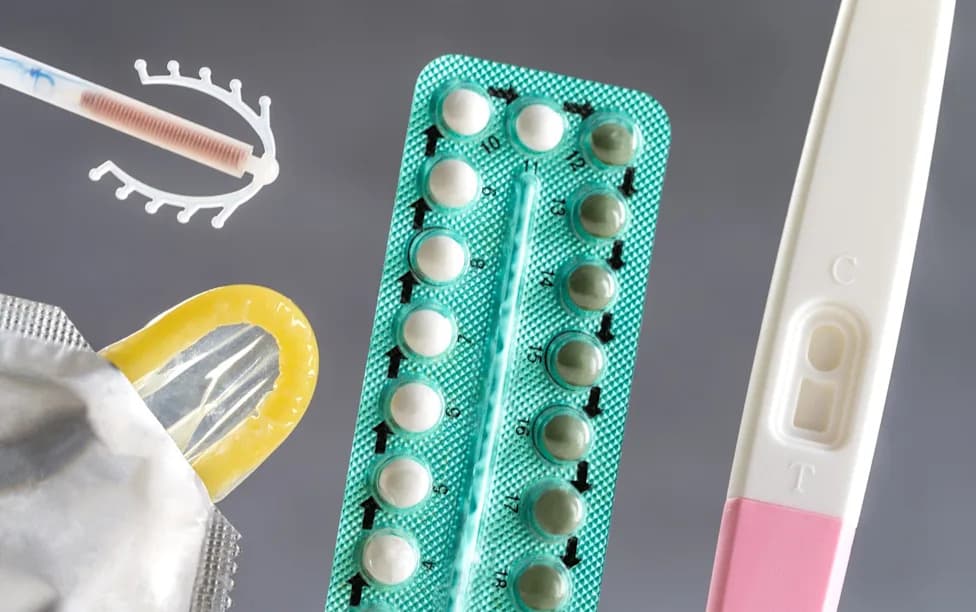
Gonorrhoea poses a global growing public health threat - iStockphoto
The Thai approval of zoliflodacin — a new, first‑in‑class oral antibiotic for gonorrhoea — marks an important shift in how lifesaving antibiotics can reach countries with high disease burden. Arriving roughly six months after US authorisation, the licence in Thailand could accelerate access across regions most affected by drug‑resistant infections.
Why This Matters
Multi‑drug resistant gonorrhoea (often called “super‑gonorrhoea”) was first identified in Asia and has since been reported across Europe and beyond. Neisseria gonorrhoeae causes an estimated 82 million new infections worldwide each year and has developed resistance to every antibiotic class previously used, including ceftriaxone — the last widely recommended treatment in many settings. Early availability of an effective new drug in high‑burden countries can slow the spread of resistance and protect global health.
What Zoliflodacin Offers
Zoliflodacin is the first antibiotic developed specifically for gonorrhoea in decades. It is a single‑dose oral medicine, simplifying treatment compared with injectable options, and has demonstrated activity against highly drug‑resistant strains of N. gonorrhoeae. In the US and Thailand it is marketed under the brand name Nuzolvence.
Development and Access Model
Zoliflodacin reached late‑stage development through a public‑private partnership led by the Global Antibiotic Research & Development Partnership (GARDP). GARDP’s funding model — supported by governments, philanthropic foundations and public‑interest donors — prioritises public‑health needs over commercial returns. This allowed investment in a drug that many large pharmaceutical companies had deprioritised.
Key Partnerships and Trials
GARDP partnered with Innoviva Specialty Therapeutics, built on earlier research from AstraZeneca, and benefited from trials supported by the US National Institute of Allergy and Infectious Diseases (NIAID). GARDP funded and led the pivotal clinical trial — the largest gonorrhoea study to date — enrolling 930 patients across 16 sites in Belgium, the Netherlands, South Africa, Thailand and the United States. The multicountry trial provided robust, real‑world evidence of safety and effectiveness.
Access Planning and Regulatory Work
Because access planning was integrated early, GARDP worked with India‑based Dr Reddy’s Laboratories on registration and commercialisation strategies to enable faster roll‑out in high‑burden countries. The Thai FDA granted a priority review, making Thailand the second country to approve zoliflodacin; this illustrates how national regulators can accelerate access for vulnerable populations.
What Comes Next
With approvals now in the US and Thailand and preparations underway in additional countries, GARDP and partners are focused on ensuring affordable, equitable access where the need is greatest. The zoliflodacin example demonstrates that aligning scientific innovation with public‑health priorities and early access planning can shorten the time between development and impact — a model that will be vital in the fight against antimicrobial resistance.
Peter Beyer is Deputy Executive Director of the Global Antibiotic Research & Development Partnership (GARDP).
Help us improve.