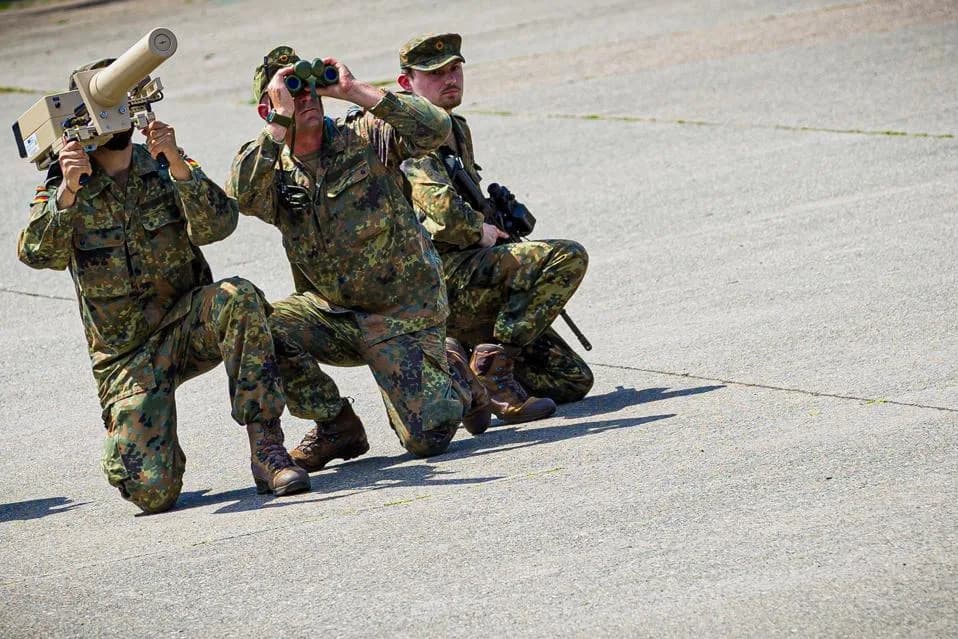
Fifth-Generation Warfare (5GW) targets minds and information networks rather than traditional battlefields. Actors use social media, AI-generated content, surveillance, and search manipulation to blend truth and fiction and shape emotions and behavior. Recent examples include gamified drone tactics in modern conflicts and the March 2026 "DarkSword" iPhone exploit, illustrating how technical and narrative tools converge to weaponize public perception. Individuals must relearn critical thinking, verify sources, and ask who benefits from the outrage they feel.
Fifth-Generation Warfare: Weapons of Mass Deception — How Minds Became the New Battlefield
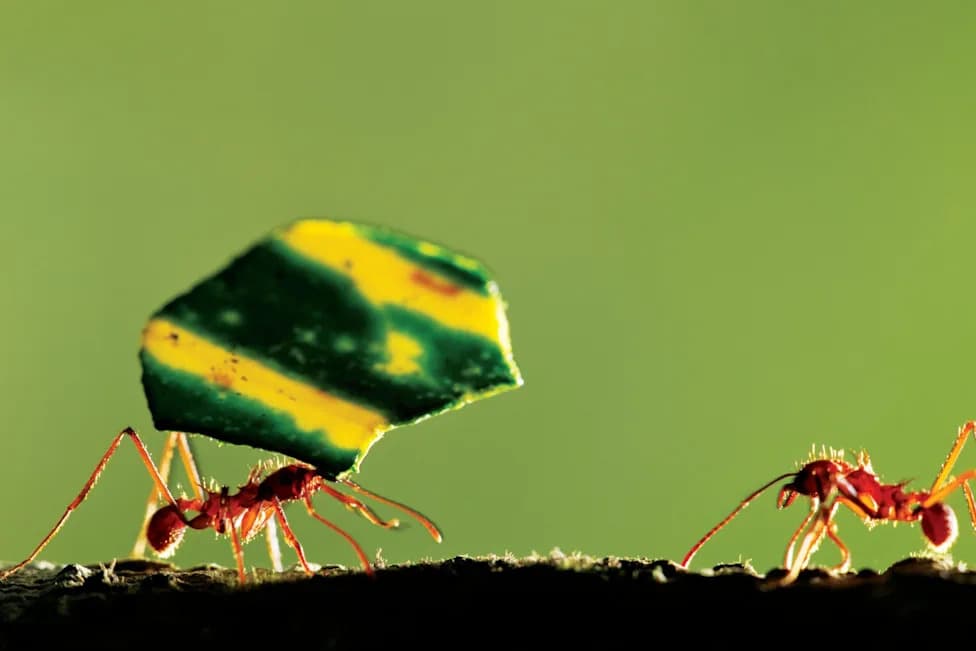
Acacia trees make ants dependent on their nectar, only to then control them. Are we ants? What is our tree? What is it leading us to do? (Photo by Paul Souders via Getty Images)
Nature offers a vivid parable: an acacia tree and its ants. Each day the tree secretes a nectar that not only nourishes the ants but also contains chemical cues that shape their behavior — creating a dependency the tree can exploit. When a grazing animal approaches, the tree triggers the ants into a violent defense; when a rival sapling appears, the ants are sent to uproot it. Amazonian villagers long called these manipulated clearings "devil's gardens."
I sometimes imagine what it feels like to be those ants. Do they believe they are acting of their own accord? Do they worship the tree? The more I watch human behavior online and in the streets, the more I see the parallel: we too drink a steady, habit-forming nectar. The question is: which tree feeds us?
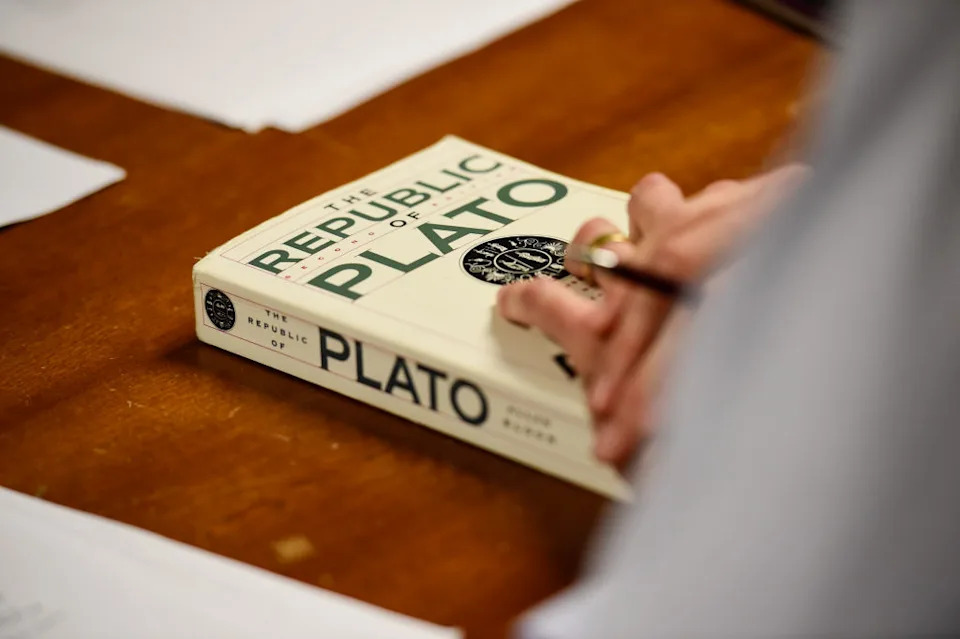
For an Ancient take on our clueless plight, read "The Allegory of the Cave" in Plato'sThe Republic, from about 375 B.C. (Photo by Matthew Jonas/Media News Group/Boulder Daily Camera via Getty Images)
What Is Fifth-Generation Warfare (5GW)?
Fifth-generation warfare (5GW) is the deliberate shaping of beliefs and behavior across information networks and human minds rather than through conventional military force alone. In a theater that is simultaneously everywhere and nowhere, social platforms, search engines, and personal devices become operational spaces. Success in 5GW depends on making people believe they are autonomous while nudging or compelling them to act in ways that serve external agendas.
From Plato to Propaganda
Plato's allegory of the cave reminds us that perception can be designed and controlled. Historically, warfare evolved by subsuming the decisive factor of the prior generation: weapons challenged brute force, strategy directed weapons, politics harnessed strategy, and now information governs politics. Once information becomes the decisive variable, narrative authority and moral credibility are as strategically valuable as territory or resources.
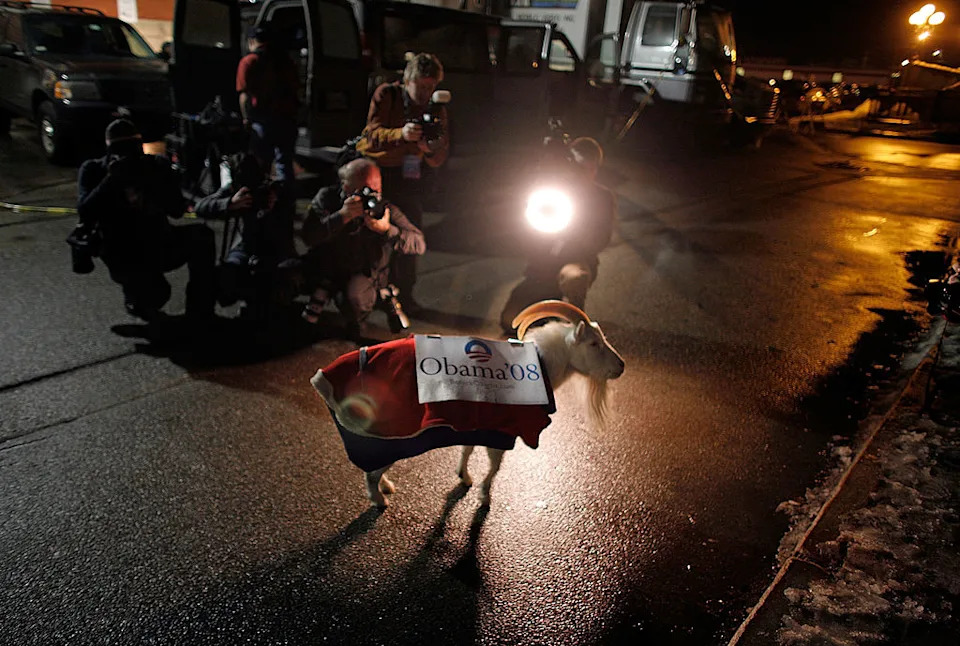
A goat used as a photo op prop for Barack Obama during his 2008 primary campaign in New Hampshire. (Photo by Chip Somodevilla/Getty Images)
Signals From Recent History
The political fallout of the Vietnam War was a moral and narrative defeat that reshaped public trust and demonstrated the power of contested ideas. In the 2010s, social media matured into a primary battlefield: campaigns polished their online appeal, others weaponized memes and apocalyptic rhetoric, and mass protests such as the Arab Spring showed that collective sentiment could topple regimes without tanks or bombs.
Case Studies And Contemporary Threats
Several recent developments illustrate how 5GW operates in practice:

The directed unconscious. (Photo by LMPC via Getty Images)
- Domestic Movements And Online Radicalization: Movements that began with the rallying cry "Do Your Own Research" often led eager participants to fringe content amplified by search-engine optimization, growth-hacking, and memetic tactics — fertile ground for manipulation.
- January 6 And Mass Surveillance: The Capitol riot exposed how memetic narratives can mobilize crowds and simultaneously provided a field test for surveillance tools originally built after 9/11 — tools that can be applied across political lines.
- Gamified And Autonomous Warfare: Military thinkers have described gamified drone systems and public leaderboards for combat metrics, while conflict zones have had to adapt to small, FPV-style attack drones and autonomous counterstrikes.
- AI-Driven Disinformation: "AI slopaganda" — synthetic footage, deepfakes, and engineered viral content — blends truth and fiction to shape emotions and narratives, making it difficult for audiences to distinguish real from fabricated events.
- DarkSword (March 2026): Google's Threat Intelligence Group disclosed DarkSword, an exploit that chained several iPhone vulnerabilities to extract data and control devices invisibly via a mimic website. Its leaked code widened the risk by enabling replication and integration into automated toolchains.
Why This Matters
Information operations can persuade citizens to act against their interests or to assault institutions on behalf of others. The tools used — botnets, targeted ads, psychological profiling drawn from massive data trails, pervasive device surveillance, and AI-generated content — create high risks of entrapment and manipulation. These capabilities are not one-sided: governments, private actors, foreign adversaries, and activist groups can all leverage them.
Responses And Consequences
Governments and regulators have responded by restricting foreign ownership of platforms, vetting hardware, convening tech leaders in government forums, and investing in AI and infrastructure to protect critical information space. At the same time, these same technologies can amplify polarization: the more time people spend online, the likelier they are to encounter content that heightens anger, anxiety, and despair.
Practical takeaway: Be suspicious of narratives that demand anger and immediate action. Ask who benefits from your outrage, and slow down your information intake to verify sources.
Conclusion
The battlefield has shifted into the cognitive domain. Reclaiming mental autonomy requires relearning critical thinking: checking provenance, questioning incentives, and protecting the next thought you can be sure is wholly your own. In a world where minds are contested terrain, skepticism and discernment are practical defenses.
Questions to start with: Which platforms feed you most frequently? Who profits from the emotions they stir? What thought will you protect as truly your own?
Help us improve.