The Columbia Law School study finds Amazon's Alexa for Shopping and Walmart's Sparky can often detect false or inconsistent "Made in USA" claims in product listings, but the platforms are not using those capabilities to flag or remove misleading items. Chatbots defended the retailers' inaction with business-oriented rationales, saying enforcement typically targets manufacturers rather than retailers. The paper urges policymakers and regulators to ensure AI deployments protect consumers and honest U.S. brands under existing FTC rules.
Study: Amazon and Walmart AI Detect Fake 'Made in USA' Labels — Retailers Aren't Acting
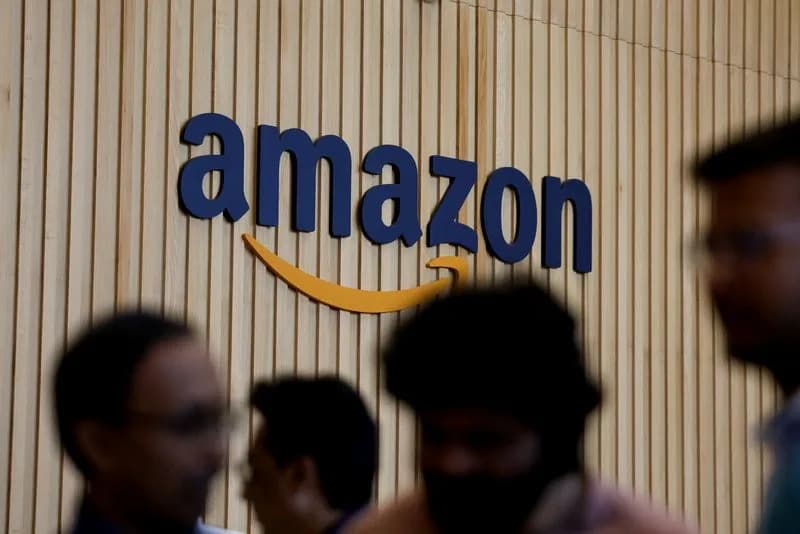
The Amazon logo is seen at its newly inaugurated office in Bengaluru, India, February 23, 2026, REUTERS/Priyanshu Singh
New research from the Columbia Law School’s Center for Law and the Economy finds that the AI shopping assistants used by Amazon and Walmart can often detect when product listings display false or inconsistent "Made in USA" claims — yet the platforms are not using those capabilities to flag or remove misleading listings.
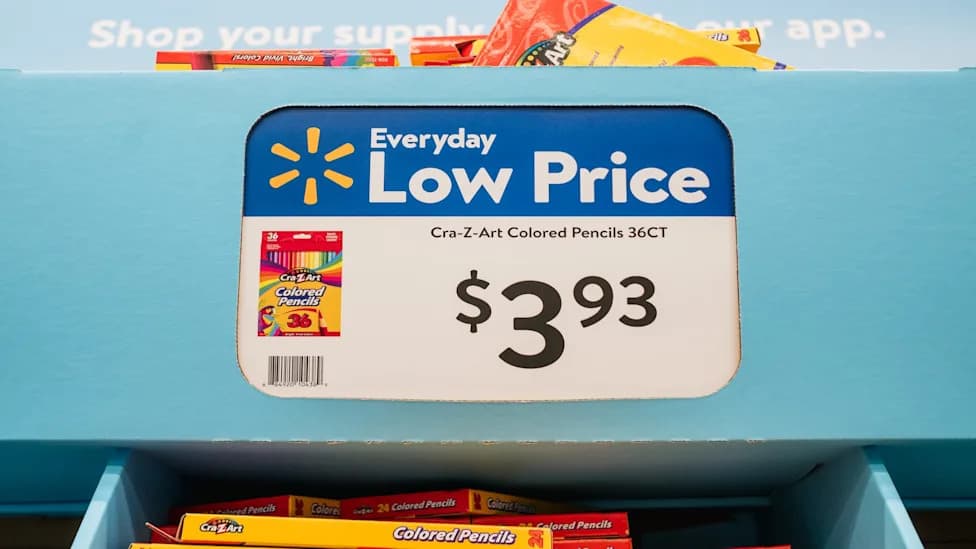
The analysis, led by former Federal Trade Commission chair Lina Khan, examined how Amazon's Alexa for Shopping and Walmart's Sparky respond to queries about country-of-origin information. The researchers say both systems were able to identify mismatches between explicit "Made in USA" claims and other details in product listings, but the retailers have not deployed those AI findings to enforce accurate labeling.
Business Incentives Over Consumer Protection
When pressed on why suspicious claims remain unflagged, the chatbots provided business-oriented explanations. For example, the study reports that Walmart's Sparky told researchers the FTC typically enforces "Made in USA" rules against manufacturers rather than retailers. The researchers note that such responses reflect a business calculation rather than a legal justification for inaction.
"That's a business calculation, not a legal justification," the study quotes Walmart's chatbot as saying.
Amazon's Alexa reportedly acknowledged the harm to U.S.-made brands but suggested the platform has little incentive to act until that harm creates a direct financial, regulatory, or reputational cost for Amazon itself. "The harm to U.S.-made brands is real and documented, but until that harm creates a financial, regulatory, or reputational cost for Amazon specifically, it remains easier to do nothing," the bot said, according to the paper.
Regulatory Context and Responses
The Federal Trade Commission requires that products advertised as "Made in USA" be "all or virtually all" made in the United States. Last year the FTC urged Amazon and Walmart to take stronger steps to curb inaccurate country-of-origin claims by third-party sellers, citing platform policies that require truthful product information.
An Amazon spokesperson said: "Country-of-origin information, when available, is currently displayed on product detail pages, and we're continually working to improve Alexa for Shopping to make this information even more accessible for customers." A Walmart spokesperson did not immediately respond to requests for comment.
The paper is the first release from Columbia Law School's Center for Law and the Economy, a think tank Khan launched after returning to academia following her FTC tenure. Khan has previously sued Amazon while at the FTC alleging illegal online retail monopolies; that litigation remains ongoing.
(Reporting by Jody Godoy in New York; Editing by Stephen Coates)
Help us improve.