Study of ~320,000 hippocampal cells from 40 donors (ages 20–95) points to a midlife inflection around age 50. Between roughly ages 50–75 many embryonic microglia are replaced by monocyte-like cells that become dominant by age 80 and show stronger inflammatory signatures. Astrocytes decline and display signs of energy stress, while 3D genome architecture degrades across cell types. Together, these coordinated changes suggest midlife as a crucial window for interventions to protect brain health.
Midlife 'Takeover' in the Hippocampus: Bloodlike Immune Cells Replace Microglia and May Drive Brain Aging
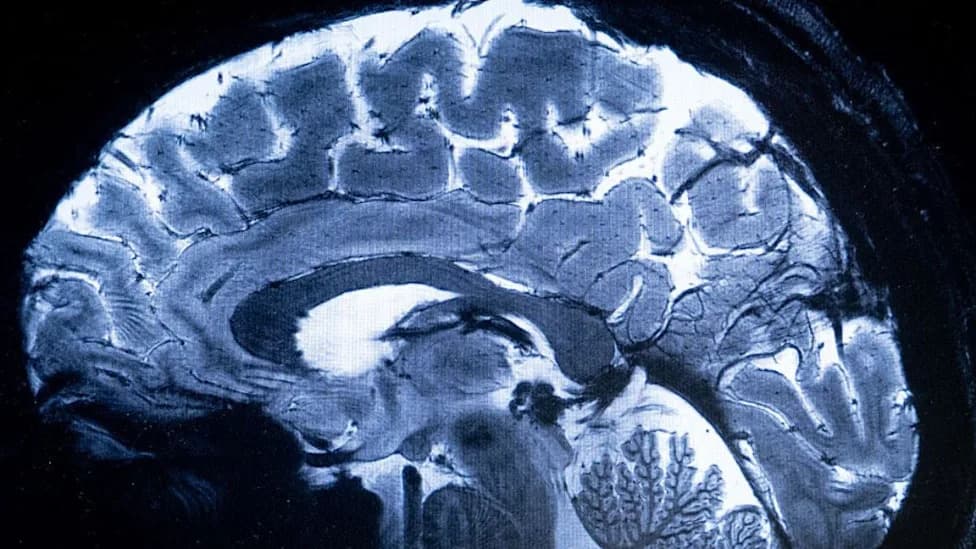
(Alain Jocard/AFP/Getty Images)
New research reveals a surprising level of cellular remodeling in the aging human hippocampus, with a pronounced shift occurring around midlife. By combining genetic, epigenetic and three-dimensional genome mapping, researchers analyzed nearly 320,000 single cells from the hippocampus of 40 healthy donors aged 20–95 to build a detailed molecular picture of brain aging.
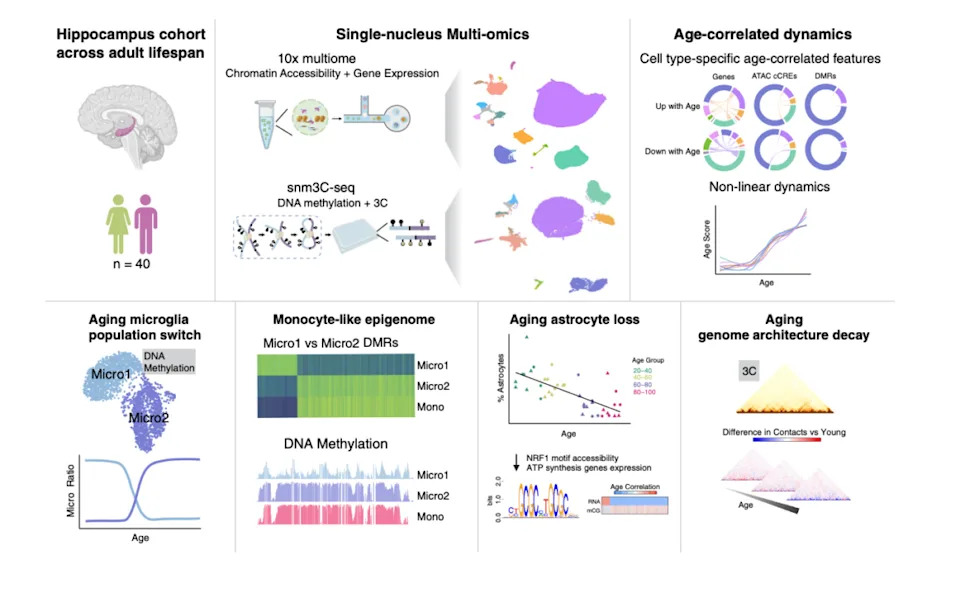
This study found that a combination of changes to the cells of the hippocampus, around age 50, could be the beginning of the type of brain aging that leads to dementia. (Zemke et al. 2026)
Microglial Replacement by Monocyte-Like Cells
One of the study's most striking findings is that many embryonically derived microglia—the brain's resident immune cells—appear to be replaced between roughly ages 50 and 75 by cells with monocyte-like signatures. These replacement cells carry DNA methylation patterns and inflammatory gene programs that resemble blood monocytes more than embryonic microglia. By about age 80, monocyte-like cells were dominant in most hippocampi sampled.
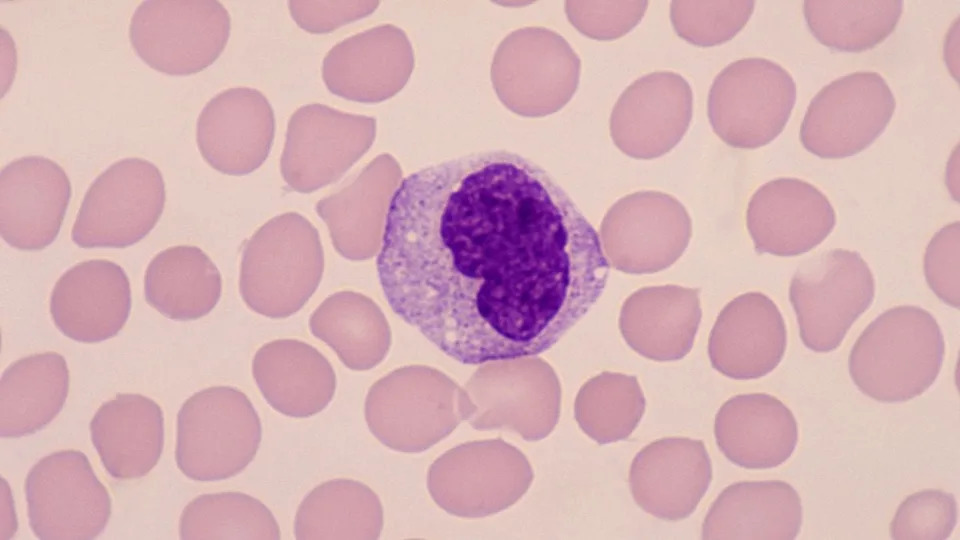
A typical monocyte in a blood smear sample. Monocytes are the largest type of white blood cell and have a distinct horseshoe-shaped nucleus. (Ed Reschke/Stone/Getty Images)
Astrocytes Show Energy Stress and Decline
Astrocytes, the star-shaped glial cells that support neurons, declined steadily with age in the hippocampus. Surviving astrocytes showed reduced activity of genes tied to ATP production and increased activity of genes involved in cellular recycling—changes consistent with an "energy crisis" that may contribute to astrocyte loss and impaired neuronal support.

YouTube Thumbnail
3D Genome Architecture Breaks Down
The study also documented age-related deterioration in the three-dimensional folding of the genome across nearly every cell type examined. Chromosomal neighborhoods became less distinct, and proteins that normally stabilize genome architecture appeared to bind less effectively. These structural changes correlated with shifts in gene regulation and cell identity, linking nuclear architecture to cellular aging processes.

Subscribe to ScienceAlert's free fact-checked newsletter
A Midlife Tipping Point and Sex Differences
Rather than a smooth, linear decline, many molecular and cellular changes accelerated around a midlife inflection point near age 50. The authors observed that molecular aging markers correlated more strongly with chronological age in men across most cell types, suggesting potential sex-specific aging trajectories in the hippocampus.
Methods and Caveats
The findings come from a cross-sectional analysis of postmortem tissue, so samples represent snapshots from different individuals rather than longitudinal changes within the same people. The team could not directly trace the origin of replacement cells to bone marrow, but DNA methylation and gene-expression signatures point toward a blood-derived monocyte identity. The sample size (40 donors) and the postmortem, cross-sectional design warrant cautious interpretation and call for follow-up studies.
Implications
These results suggest that brain aging involves coordinated shifts in cell composition, energy metabolism and nuclear structure—and that midlife may be an important window for intervention. If monocyte-like replacement of microglia and astrocyte energy failure drive inflammation and vulnerability to neurodegeneration, targeted therapies during midlife could help preserve brain function and reduce dementia risk. The study is reported in Science (Zemke et al., 2026).
Bottom line: The aging hippocampus shows a midlife-associated immune-cell turnover and widespread molecular remodeling that could help explain increased brain inflammation and vulnerability to age-related cognitive decline.
Help us improve.