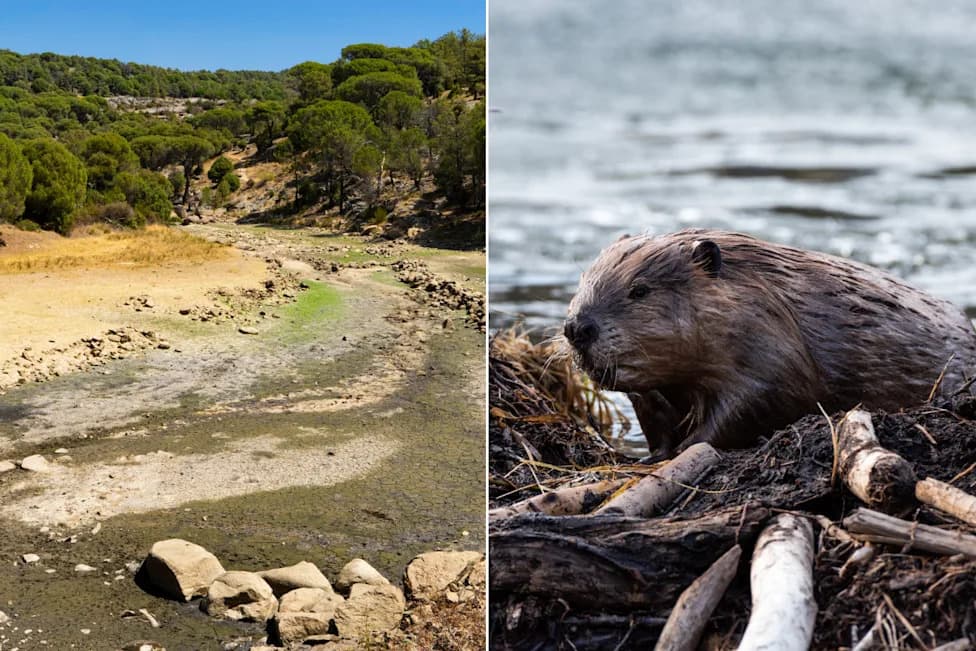
The Ealing Beaver Project released five beavers near Greenford station to address repeated flooding. Within weeks the animals built a dam, and after a year they had constructed seven dams that slowed runoff, formed ponds and created new channels. The intervention eased flood pressure on nearby transit infrastructure and boosted local biodiversity, while also becoming a community attraction and educational asset.
How Five Beavers Built Seven Dams — Nature Reduced Flooding Near West London's Greenford Station
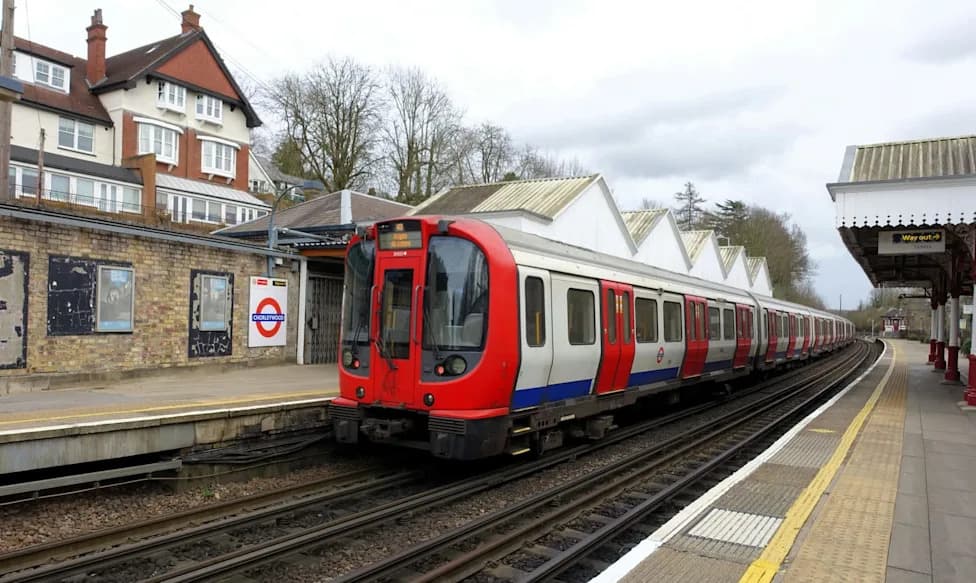
Photo Credit: iStock
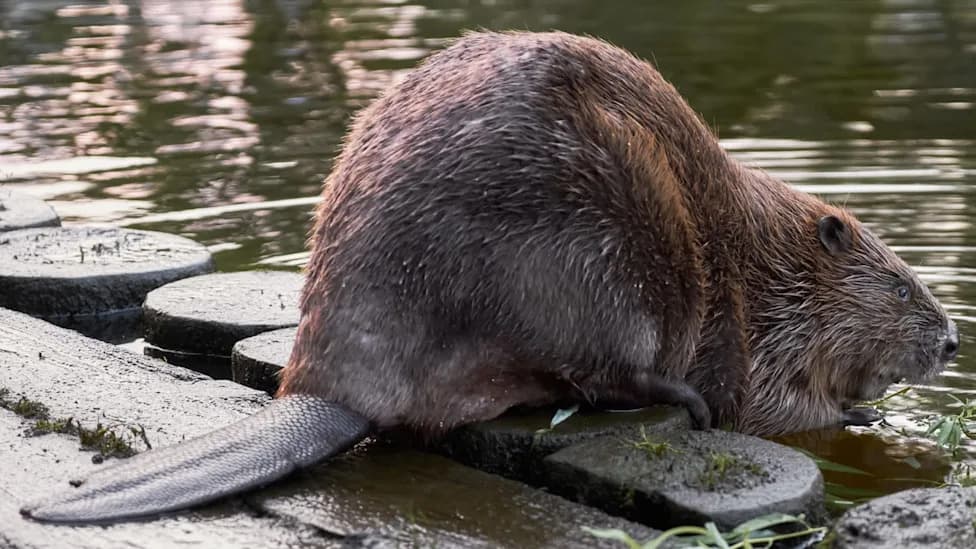
When recurring floods threatened the Greenford underground station in West London, conservationists tried an unconventional fix: reintroducing beavers to reshape the local watercourse.
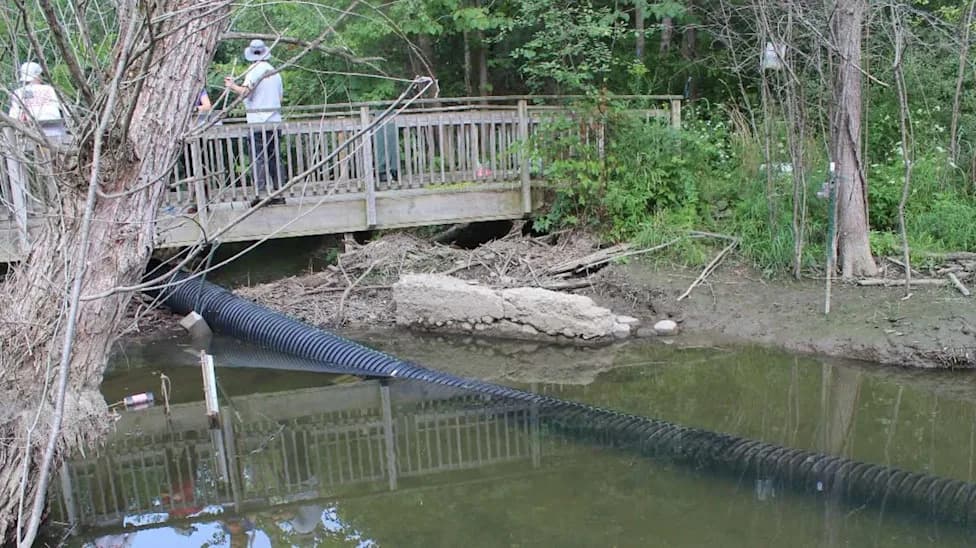
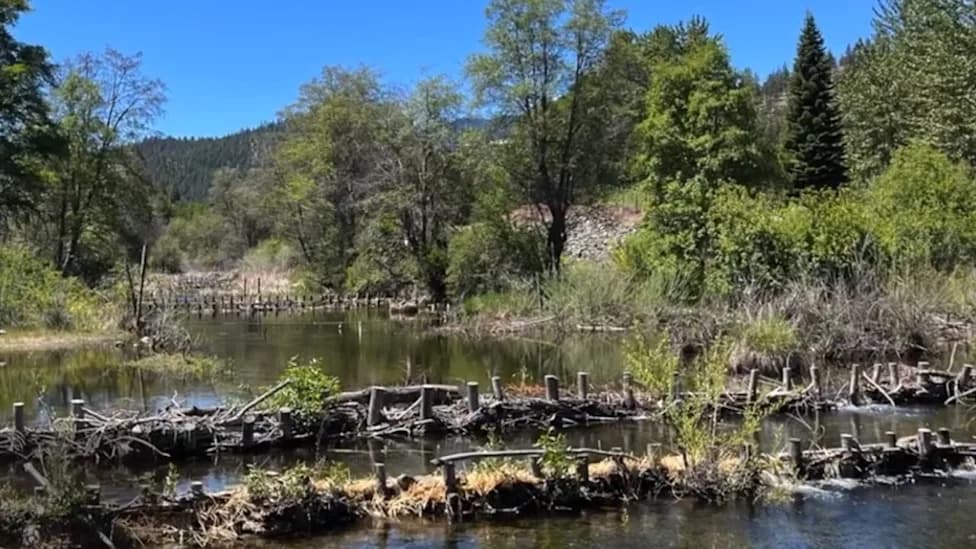
The Ealing Beaver Project released a family of five beavers into the nearby streams. Within weeks the animals built their first dam. Water pooled behind it to form a pond, slowing the creek and reducing the volume and speed of runoff surging downstream during heavy rain.
Rapid, Low-Cost Natural Engineering
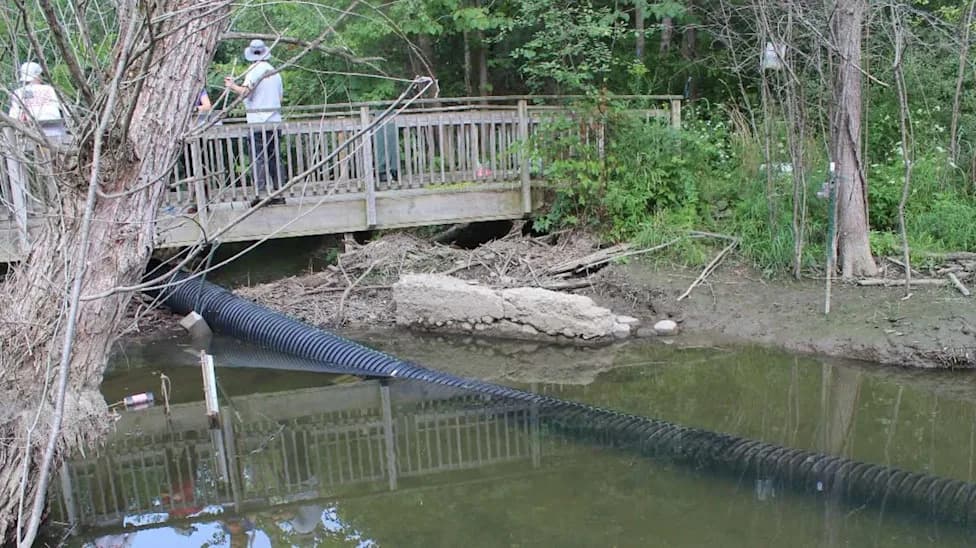
Over the course of a year the beavers constructed seven dams and created new channels and tributaries that diverted and stored water away from the main flow. That network of structures helped ease flood pressure on nearby transit infrastructure — work that otherwise would have required expensive engineered solutions such as concrete barriers or major drainage upgrades.
Ecological Upsides
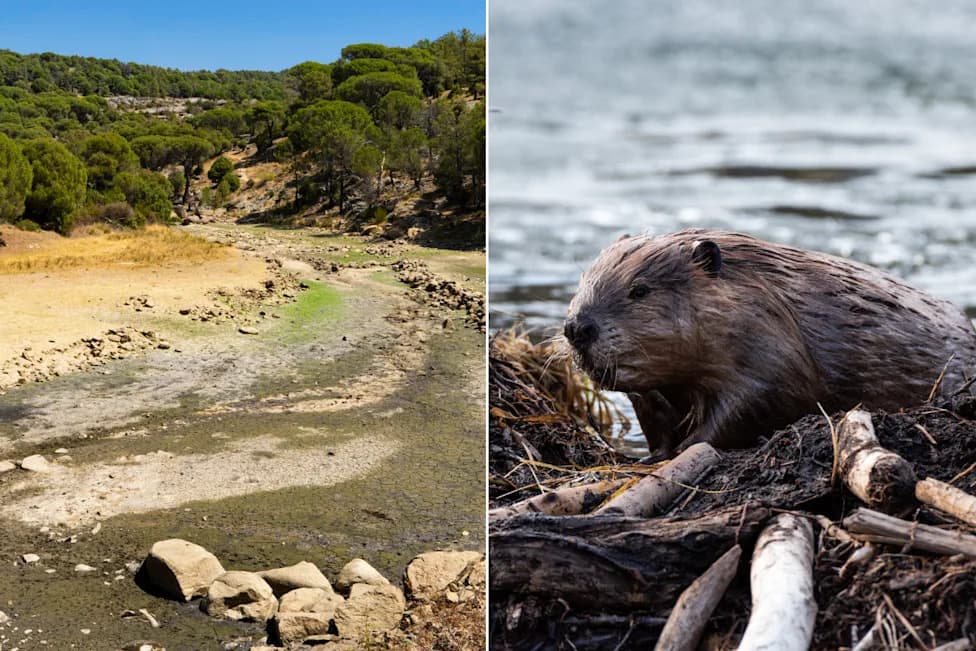
Alongside flood mitigation, the beavers produced clear ecological benefits. Their dam-building and tree-felling opened the canopy, created ponds and wetlands, and improved habitat for native plants, invertebrates and birds. "By felling trees, they've also opened up the canopy, and we've seen an abundance of biodiversity," said Sean McCormack of the Ealing Beaver Project in an interview with NPR.
Community And Educational Impact
What began as a practical intervention has become a community asset: residents and visitors now come to local nature reserves for informal "beaver safaris," and the project has helped raise awareness of nature-based solutions to climate-related flooding.
Caveats And Lessons
Introducing beavers is not a universal solution. Each site requires careful assessment, ongoing monitoring and management to balance flood control, land use, and local stakeholder needs. Still, the Ealing Beaver Project is a practical example of how modest wildlife interventions can deliver both urban benefits and measurable ecological gains.
In West London, five beavers did more than build dams: they slowed and spread floodwater, created new wetland habitats, and turned a problem site into a community and conservation success story.
Help us improve.