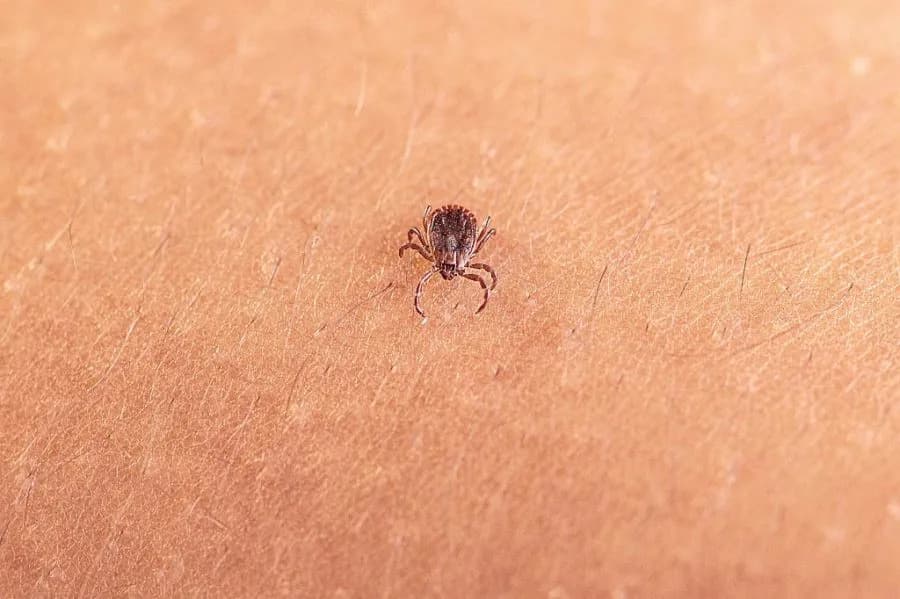
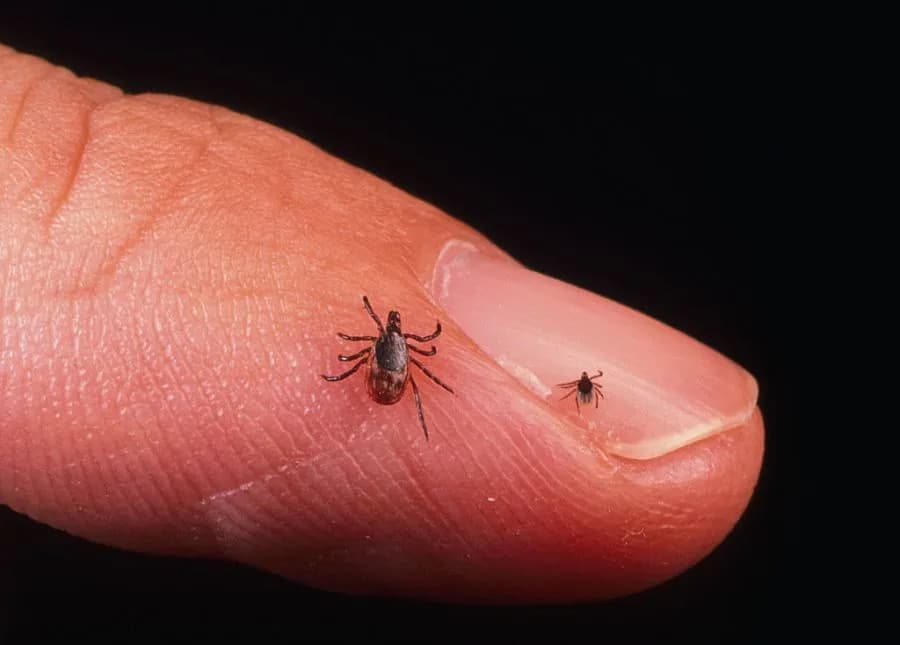
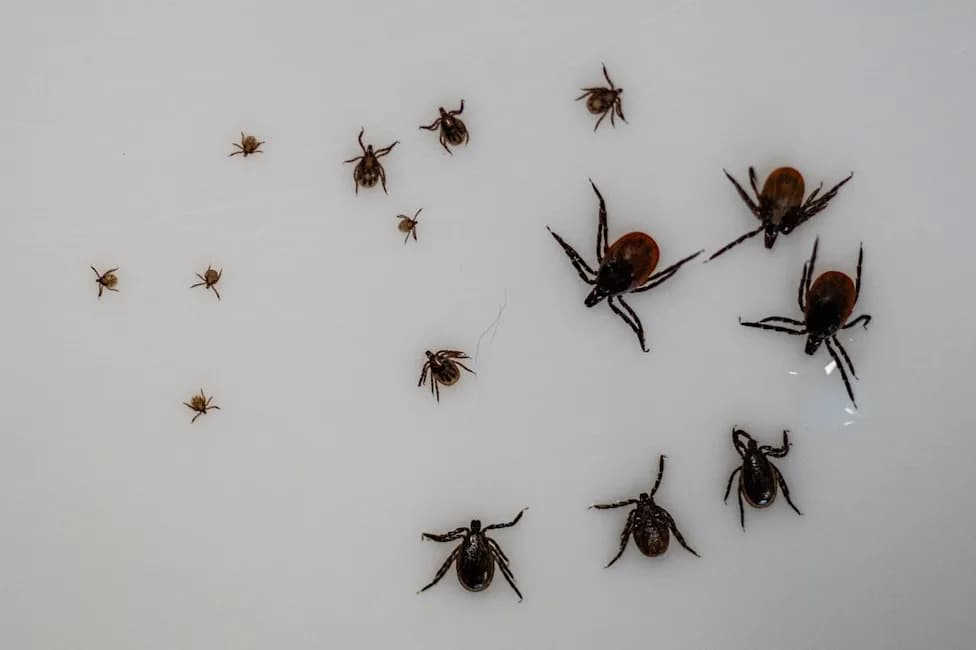
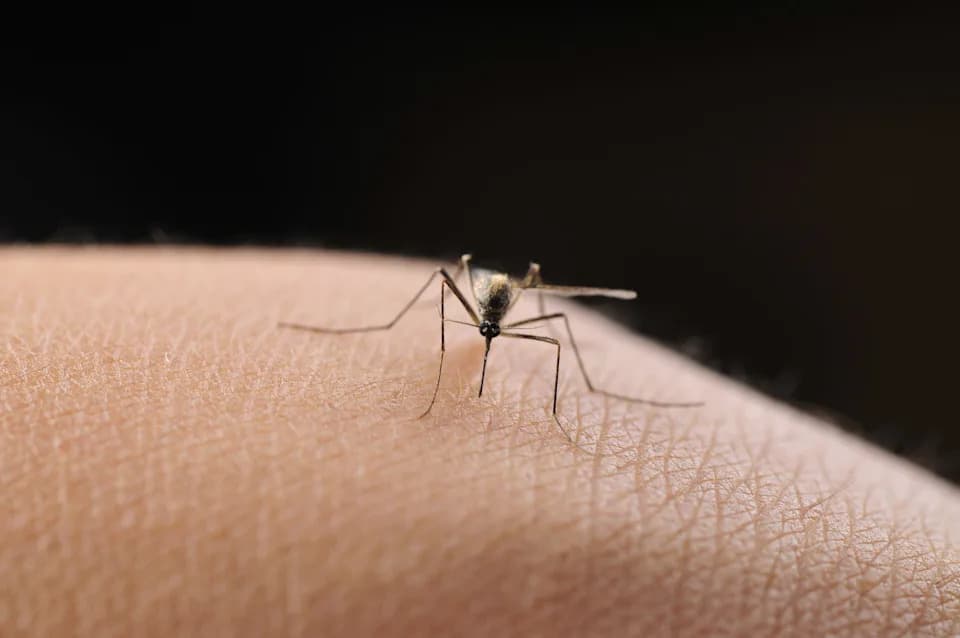
The SUNY Upstate Tick Testing Laboratory accepts mailed-in ticks for species identification and pathogen screening and has processed more than 30,000 samples since 2019. Lab director Saravanan Thangamani says roughly one-third of tested ticks carried at least one pathogen, including agents linked to Lyme disease, babesiosis and tick-borne encephalitis. Warmer conditions and shifts in host-animal ranges are enabling ticks to persist in new areas and remain active longer, increasing exposure risk. Individual test results aid clinical conversations while the aggregated data support regional surveillance and public-health planning.
Upstate NY Lab: One-Third Of Mailed-In Ticks Carry Pathogens, Study Finds
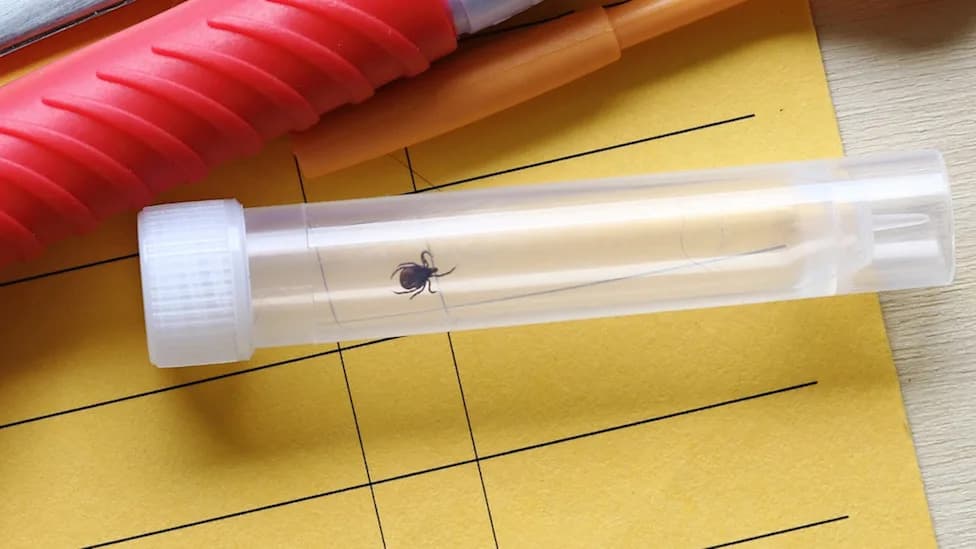
Photo Credit: iStock
A SUNY Upstate Medical University lab in upstate New York runs a summer program that lets people mail ticks they removed from their bodies for identification and pathogen testing. Since 2019 the Tick Testing Laboratory has processed more than 30,000 specimens — most from New York — and found that roughly one-third carried at least one organism known to cause disease.
What Researchers Do
Technicians sort each submission by species and life stage before screening ticks for known pathogens. The lab director, Saravanan Thangamani, told Yale Climate Connections that the screened organisms include agents associated with Lyme disease, babesiosis and tick-borne encephalitis. The results describe potential exposure for individual submitters and feed a larger dataset researchers can use to track trends over time.
Why The Findings Matter
Warmer temperatures and climate-linked shifts in the ranges and movements of host animals are helping ticks survive in areas once too cold and lengthening the season when they are active. As ticks expand into new regions or remain active longer, the likelihood of human and animal exposure increases — and it becomes harder for people to judge when they may be at risk.
Practical Benefits For Patients And Public Health
Knowing the species of tick and whether it carried a pathogen can help guide conversations between patients and clinicians if symptoms appear after a bite. Testing does not replace medical evaluation and treatment, but it can provide a clearer starting point for diagnosis and follow-up. At the population level, aggregated test results improve surveillance and help public-health officials and clinicians prepare for shifting disease threats.
Advice After Outdoor Activity
- Check your body, clothing and pets after spending time outdoors.
- Remove attached ticks promptly and follow recommended removal techniques.
- Seek medical advice if you develop fever, rash, unusual fatigue or other concerning symptoms after a tick bite.
By combining individual test results with geographic and temporal data, the program creates a valuable record of where ticks and tick-borne agents are appearing, helping communities respond as environmental conditions change.
Help us improve.