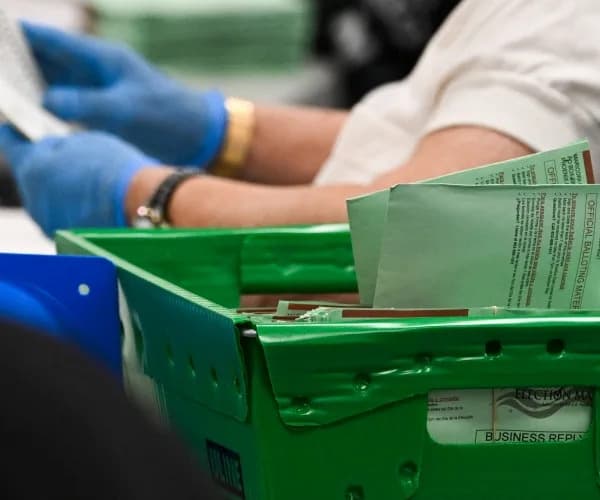
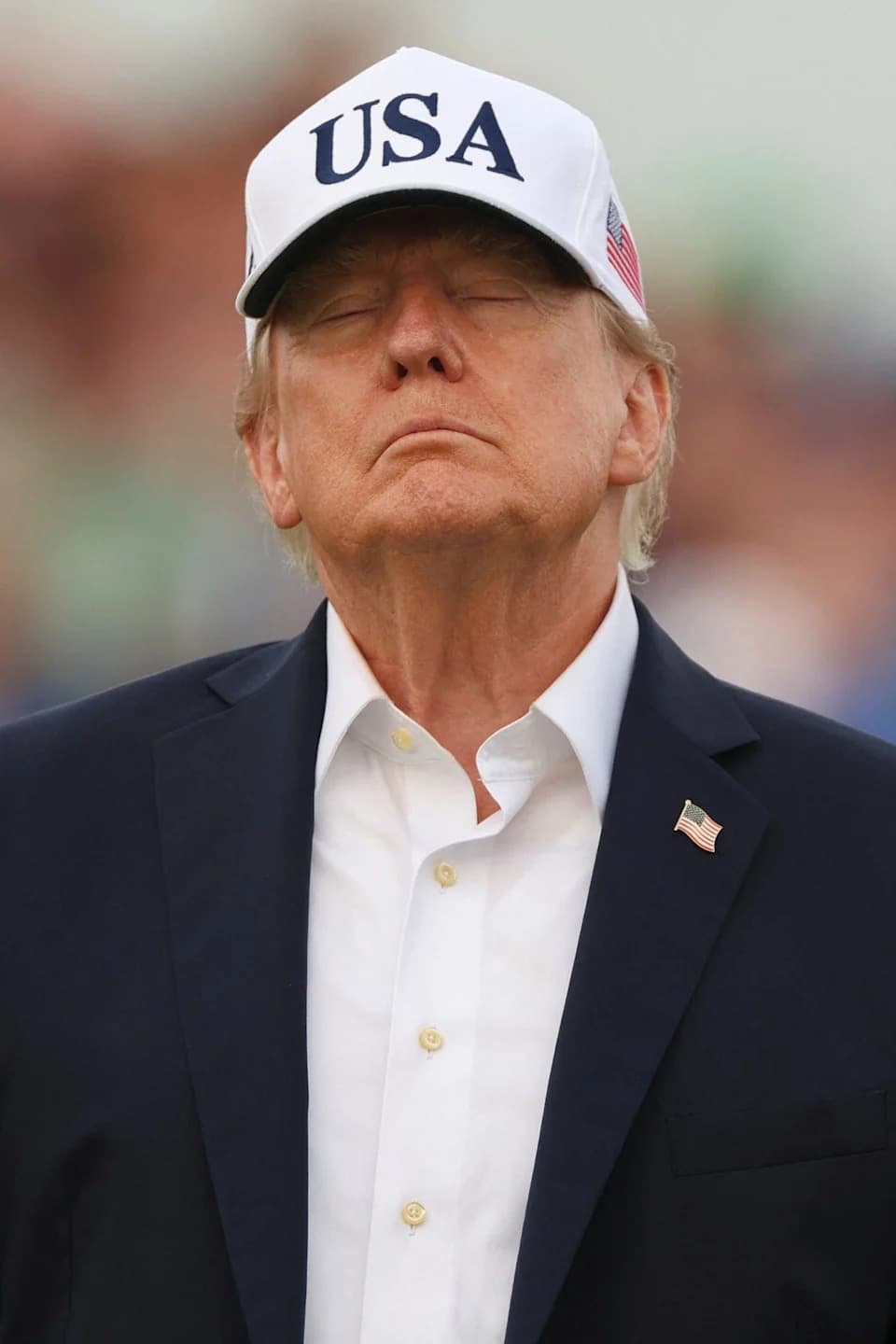
The Trump administration asked the Supreme Court to prevent lower courts from blocking its plan to restrict mailed ballots to names on state citizenship lists, arguing challenges are premature until agencies issue final rules. The March 31 executive order directs USPS to propose mail-in ballot rules and DHS to compile state citizenship lists. A coalition of 23 states and D.C. sued, saying the order infringes on states' constitutional authority over elections. Critics warn the effort could sow confusion and erode public trust just weeks before ballots are mailed.
Chaos By Design? Trump Asks Supreme Court To Fast-Track Mail-In Ballot Rules
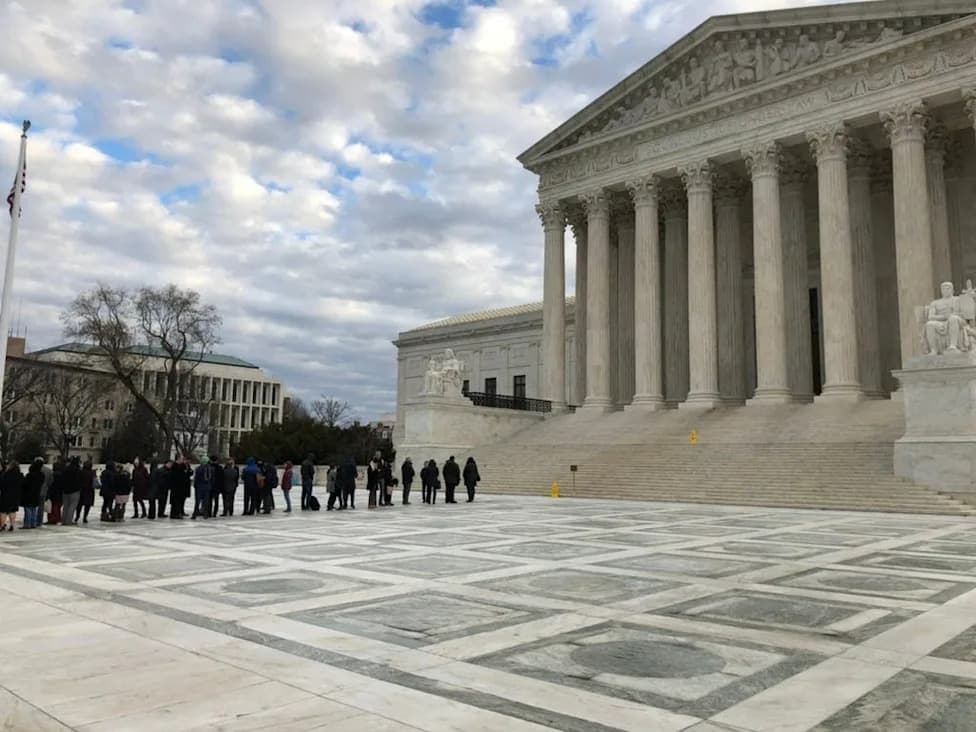
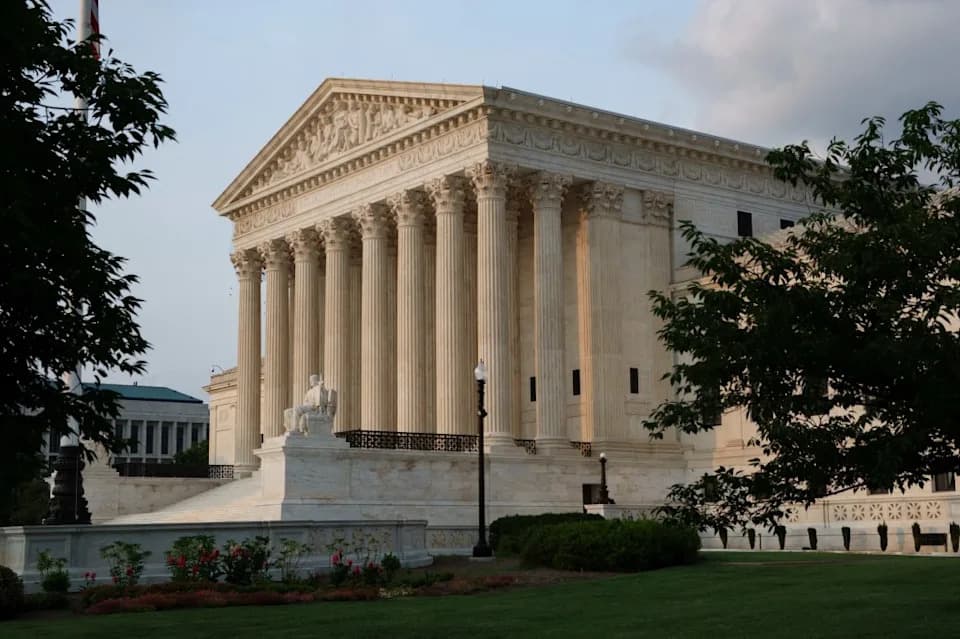
The Supreme Court awaits. (Photo/Courtesy)
The Trump administration has asked the Supreme Court to prevent lower courts from blocking parts of its plan to tie mail-in ballots to state citizenship lists, arguing that challenges are premature until federal agencies issue final rules. The filing follows a March 31 executive order that directed the U.S. Postal Service and the Department of Homeland Security to develop new procedures related to absentee and mail voting.
Background
The executive order, titled "Ensuring Citizenship Verification and Integrity in Federal Elections," instructs the Postal Service to propose rules for mailing absentee and mail-in ballots and directs DHS to compile state-by-state lists of individuals it deems to be U.S. citizens age 18 and over. Under the administration's plan, the Postal Service would only mail ballots to voters whose names appear on those state citizenship lists.
As reported by SCOTUS Blog, the order asks agencies to devise new processes that could change how ballots are mailed and which voters receive them.
The Legal Fight
A coalition of 23 states plus the District of Columbia, led by California, sued in federal court in Massachusetts seeking to block implementation. The challengers argue the order intrudes on constitutional provisions that assign states the authority to determine voter eligibility and to set the times, places, and manner of federal elections. A preliminary injunction currently prevents the agencies from putting the plan into effect while litigation proceeds.
The administration has asked the Supreme Court to lift or narrow that injunction. Its principal arguments are procedural: because the Postal Service and DHS have not issued final rules, the administration contends that states and voting-rights groups lack standing to sue now. It also warns of a compressed timetable that it says would make it impossible to implement any lawful agency plans before ballots must be printed and mailed.
Where The Agencies Stand
To date, the Postal Service has circulated a proposed rule that is open to public comment, while DHS has discussed conceptual ideas but has not published final procedures. That uncertainty is central to both the administration's request and the challengers' response: the government says courts should wait until rules are final; the challengers say waiting could allow the agencies to upend state election systems on short notice.
Timeline And Stakes
The timing is urgent. In a little more than a month, ten states will begin mailing ballots; another 13 typically mail ballots about 45 days before Election Day. The administration contends that any appellate review will come too late to implement changes without disrupting voter-roll verification and mail-voting logistics.
Critics' Concerns
Opponents warn the plan could sow confusion and erode public confidence in elections. Critics point out that the agencies would be crafting new processes on a tight schedule, possibly relying on citizenship lists that are incomplete or inaccurate. Many observers also say the legal strategy and repeated public attacks on the legitimacy of mail voting risk creating a narrative that the election process should not be trusted.
The Supreme Court's response will determine not only the immediate litigation pathway but also whether this dispute is resolved before ballots are mailed in critical states. Whatever the legal outcome, the controversy underscores how procedural litigation and agency rulemaking can intersect with the mechanics and perception of voting in a presidential election year.
Help us improve.