CSIS reports that U.S. Patriot interceptor inventories have declined by roughly 65% since fighting with Iran began on Feb. 28, leaving about 759 of the most advanced Patriot rounds on hand. U.S. production is limited (about 183 Patriot interceptors per year) and deliveries can take roughly 3.5 years. THAAD stocks fell sharply during initial combat but have stabilized since the ceasefire; THAAD rounds are especially difficult to replace. The Pentagon has requested $67 billion in supplemental funds to help address munitions shortfalls, forcing military leaders to weigh operational trade‑offs and readiness.
CSIS: U.S. Patriot Missile Stocks Down 65% After Fighting With Iran, THAAD Shortages Raise Concerns
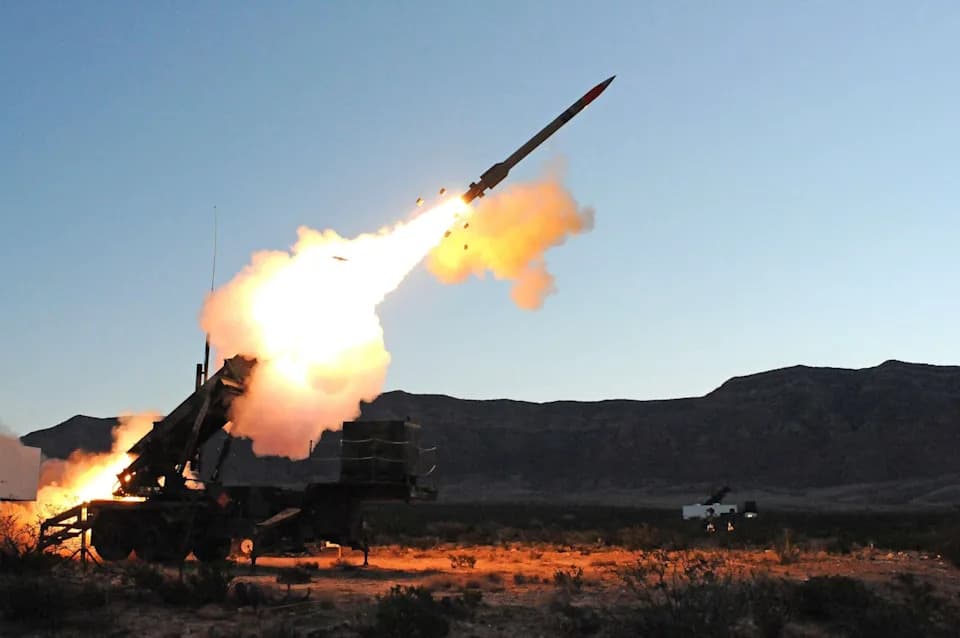
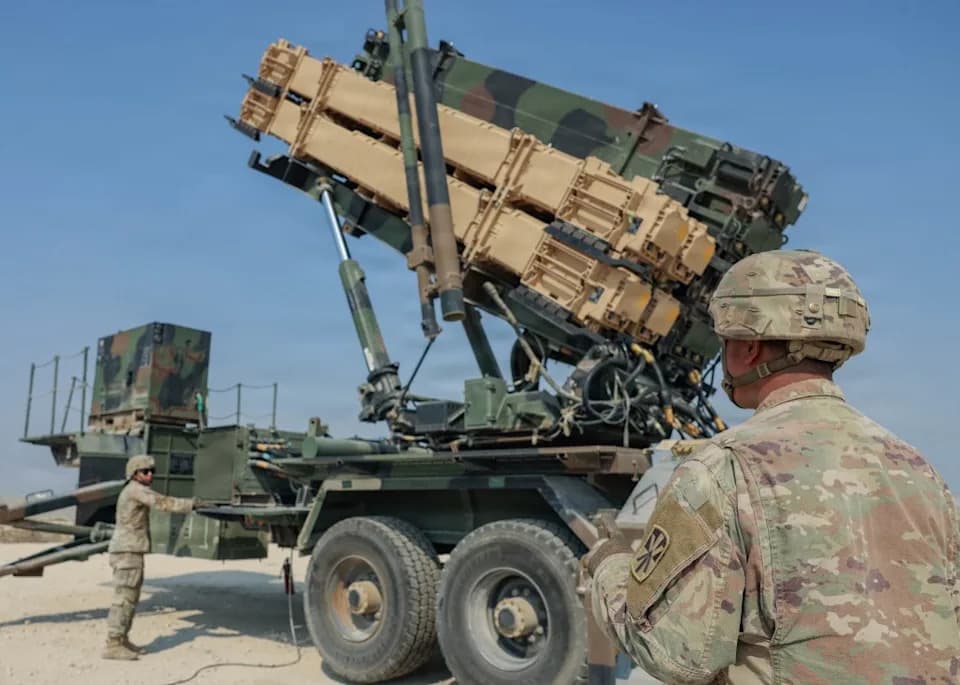
Jason Cutshaw/U.S. Army - PHOTO: The Army test fires a Patriot missile in a recent test, March 27, 2019, at Redstone Arsenal in Alabama.
A new analysis from the Center for Strategic and International Studies (CSIS) finds that U.S. inventories of two key air‑defense interceptors have been sharply reduced since hostilities with Iran began on Feb. 28. The updated report, "Renewed Iran War Would Test Diminished Interceptor Inventories," revises an earlier April assessment and warns the United States may face constrained options if high-end interceptors are needed in a sustained conflict.
Key Findings
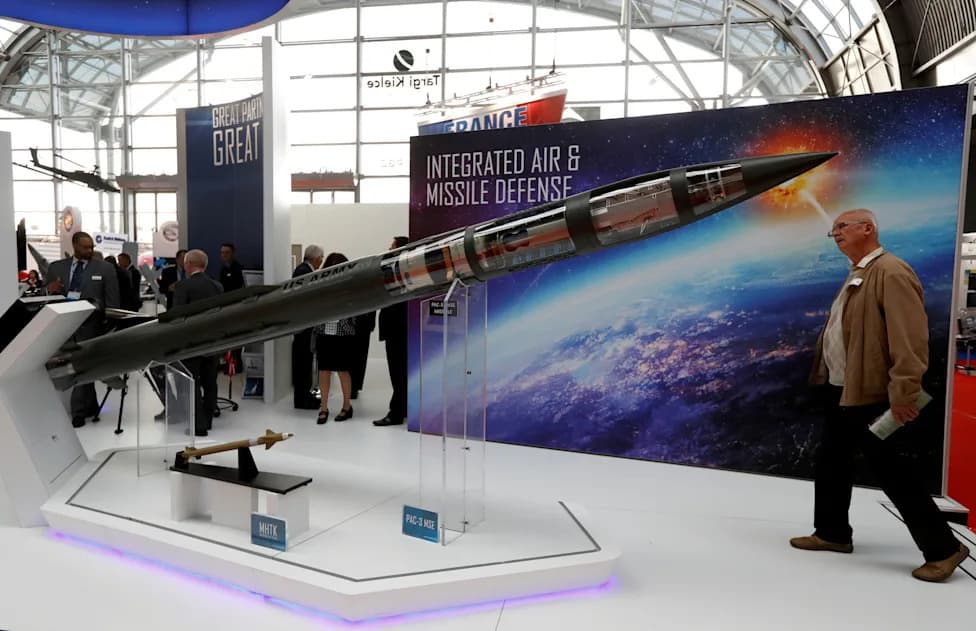
Patriot Interceptors: CSIS estimates that about 65% of U.S. Patriot interceptor rounds have been expended or are otherwise unavailable since Feb. 28. That reduction equates to roughly 759 of the most advanced Patriot interceptor rounds remaining in U.S. stockpiles.
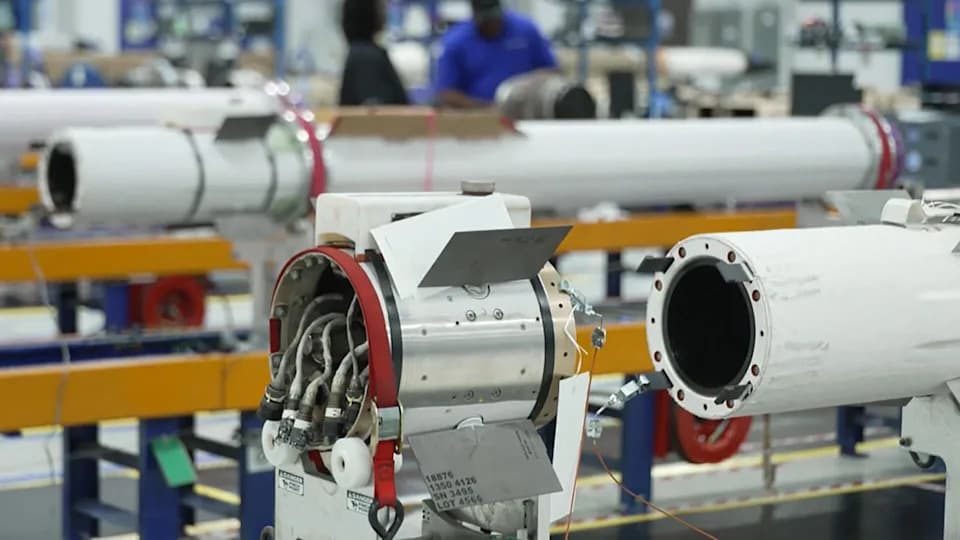
Production Constraints: U.S. production of these Patriot interceptors is limited—about 183 rounds per year—and CSIS notes deliveries typically take about three and a half years from contract award to arrival, meaning replenishment is slow.
THAAD Status: THAAD interceptor inventories fell by roughly half during active combat between Feb. 28 and Apr. 8, but CSIS reports they have held steadier since the temporary ceasefire. Analysts emphasize that THAAD rounds are among the hardest air‑defense munitions to replace because of production complexity.
How CSIS Reached These Estimates
CSIS derived its figures using a combination of data from Gulf states, open congressional and Pentagon budget documents, and other public sources to estimate how many interceptors the U.S. has fired and what likely remains in inventories.
Policy and Operational Implications
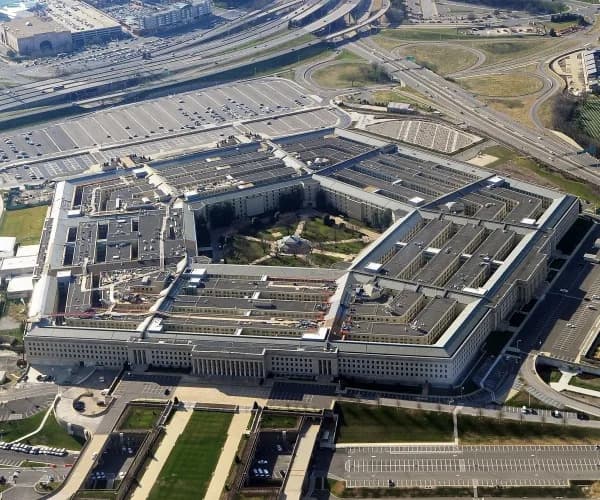
The Pentagon has requested $67 billion in supplemental funding from Congress, with part of the package intended to address munitions shortfalls. Administration officials have argued that previous transfers of weapons to partners contributed to inventory pressure; CSIS and others note the U.S. also transferred three Patriot batteries from national stockpiles under the Presidential Drawdown Authority during the prior administration, though it is unclear how directly those moves relate to the current shortfalls.
When asked for comment, Pentagon chief spokesman Sean Parnell told ABC News the department "has everything it needs to execute" current orders, stating that the U.S. military continues to carry out operations while maintaining a deep arsenal to protect U.S. interests.
Retired Marine Corps Col. Steve Ganyard, an ABC News contributor, warned that munitions shortages are "a very serious situation" and unlikely to be resolved quickly. "We've been shooting so many Patriots, so many THAADs, so many of these exquisite missiles that the industrial base just can't catch up and the magazines are going down," he said, noting some interceptors can take "two to four years" to build and deliver.
Ganyard added that a rapid depletion of advanced interceptors could create strategic windows of vulnerability: adversaries weighing large regional moves might consider acting while U.S. interceptor inventories are strained.
On force posture, Gen. Kevin Schneider, commander of U.S. Pacific Air Forces, said his command is reviewing planned exercises in the Indo‑Pacific to preserve capability and provide options for other regions. Senior leaders are weighing where to accept risk in training and deployments to prioritize operations in the Central Command area of responsibility.
Bottom line: CSIS's updated assessment highlights constrained inventories of high‑end interceptors and slow industrial replenishment, raising operational tradeoffs for U.S. planners and underscoring the longer timelines required to rebuild certain missile stocks.
Photo: The U.S. Army test‑fires a Patriot missile during a March 27, 2019 exercise at Redstone Arsenal, Alabama (file image accompanying the report).
Help us improve.