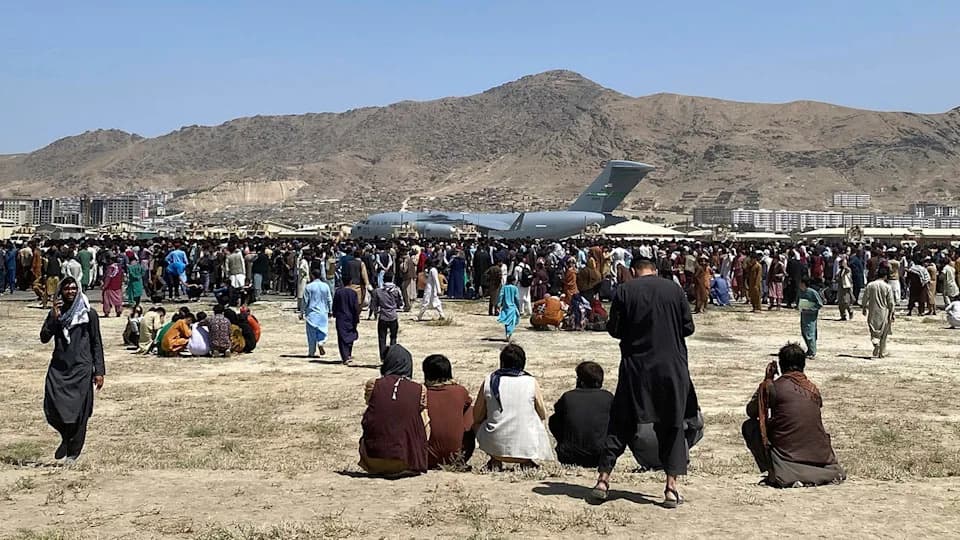
The Commons Defence Committee found the MoD's data breach exposing records of more than 18,500 Afghan Arap applicants was a "foreseeable" systemic failure caused by weak procedures, poor training and misuse of tools such as Excel. A super-injunction delayed public reporting from August 2023 until July 2025, undermining accountability. The inquiry criticised secrecy and UKSF involvement in resettlement decisions, noting 1,585 rejections in 2023 of which 884 have since been overturned.
Commons Inquiry: MoD Data Leak on Afghan Relocations Was a "Foreseeable" Failure — 18,500+ Exposed
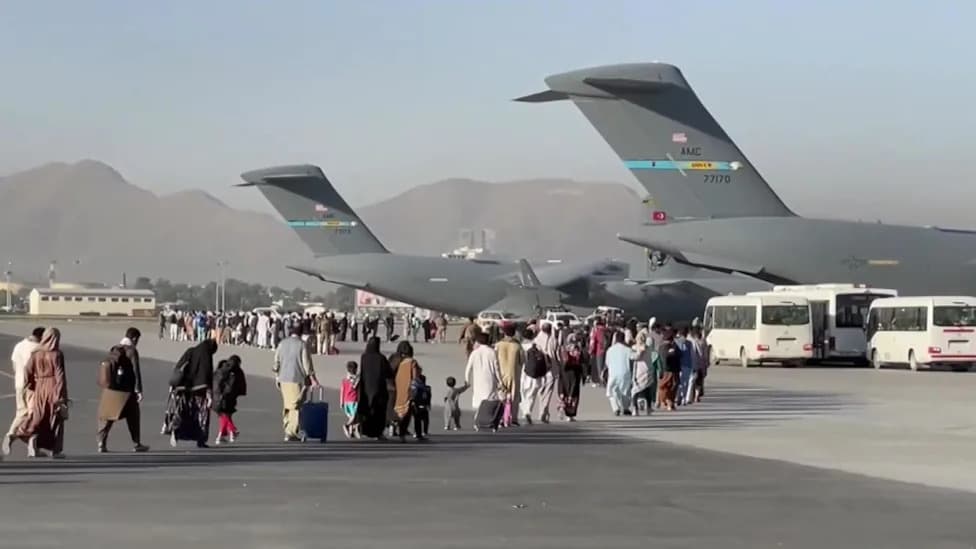
Britain set up scheme to bring those thought to be the most in danger to safety [BBC]
A parliamentary inquiry has concluded that a data breach exposing personal information of more than 18,500 Afghans who applied to resettle in the UK was a "foreseeable" systemic failure by the Ministry of Defence (MoD). The Commons Defence Committee found the department lacked the expertise, tools and culture to run the Afghan relocation programme securely after the fall of Kabul.
Key Findings
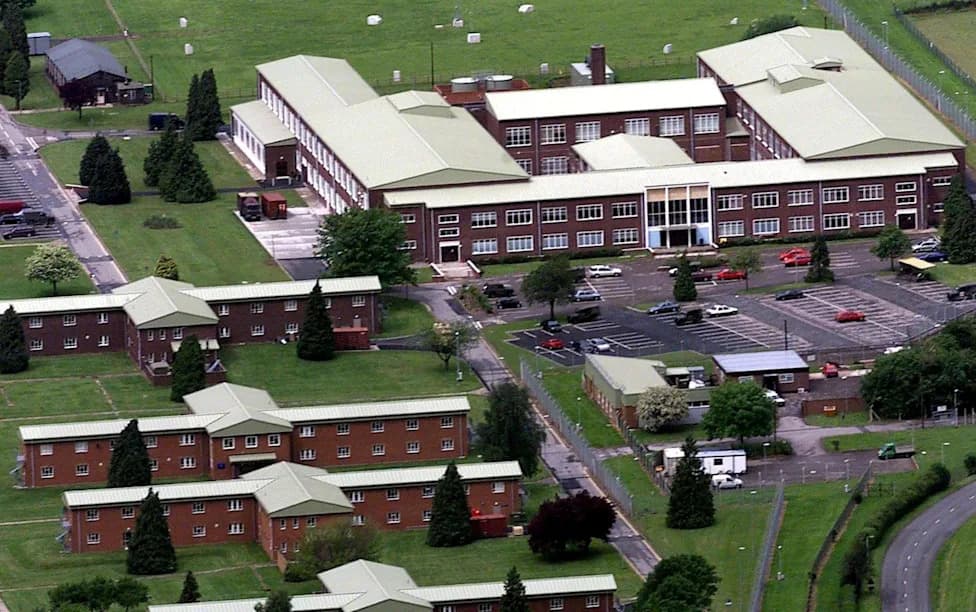
The committee's report, published on Thursday, says the leak was not an "individual mistake" but the result of "inappropriate tools, weak operating procedures, insufficient training, poor organisational continuity, and an inadequate culture of data protection and accountability." The breach originated when an MoD staff member shared a Microsoft Excel spreadsheet with a "trusted third party." The BBC previously reported the spreadsheet originated at UK Special Forces (UKSF) headquarters.
Scale, Secrecy and Delay
The spreadsheet contained records for every applicant to the Afghan Relocations and Assistance Policy (Arap) scheme up to January 2022 — more than 18,500 people. Arap, launched in April 2021 to resettle Afghans who had worked with British forces, was closed to new applications in July 2025.
The breach came to light in August 2023, but an unprecedented super-injunction prevented media reporting until July 2025. The injunction, originally expected to last about four months, remained in effect for nearly two years — a period the committee says undermined accountability and public trust.
Special Forces Role and Rejected Applications
The committee criticised the MoD for using secrecy and questioned the department's role in immigration casework. Reports and internal documents cited in the inquiry show a UKSF officer personally rejected 1,585 resettlement applications in a matter of weeks during 2023 and approved none of them. The committee noted that 884 of those rejections were later overturned following a 2024 review, underscoring the seriousness of the initial decisions.
Tan Dhesi, chairman of the Commons Defence Committee: "The Ministry of Defence should stick to defence — it should never have been left to run immigration casework schemes. Secrecy has been too easily used as a shield against proper accountability."
Impact on Afghans and Legal Action
The report highlights the human consequences: many former Afghan special forces members were left in hiding and in fear for their lives after being rejected. In court proceedings at the Royal Courts of Justice, judges heard testimony that one family had just "$200 left to survive." The defence secretary currently faces legal challenges from former applicants who remain unable to leave Afghanistan.
MoD Response
An MoD spokesperson said: "This incident should never have happened and we acknowledge the significant impact it has had on many people." The department said thousands of eligible Afghans have been safely relocated and that reforms are already in place, including improved data protection standards, strengthened case-working processes and better programme governance. The MoD said it welcomes scrutiny and will continue to work with the committee.
Committee Conclusions
The Commons Defence Committee described the wider Afghan relocation effort as "utterly and obviously inadequate," criticised the MoD's continued reliance on insecure tools such as Excel, and recommended clearer lines of responsibility, better data-protection culture, and more transparent oversight — especially when special forces policies intersect with resettlement decisions.
Why this matters: The report raises urgent questions about how sensitive information was handled, how secrecy was used to limit scrutiny, and how life-or-death resettlement decisions were made and later overturned. The committee called on the government to ensure that lessons are learned and victims are protected.
Help us improve.