A Florida grandmother nearly wired $1,500 after a caller posing as her newly enlisted Marine grandson claimed he’d been in a crash and arrested. The woman paused and called a family member, who warned it was likely a scam — and no money was sent. A July 2026 New York Department of State alert, citing FTC data, said scams targeting the military community rose 17% in 2025, with 35,215 reports and at least $684 million in losses. The FTC warns scammers may use stolen details or voice‑cloning; victims should hang up and call a verified number and report suspected fraud.
Grandmother Nearly Sent $1,500 After Caller Posed As Her New Marine Grandson — Scammers Use Voice Impersonation
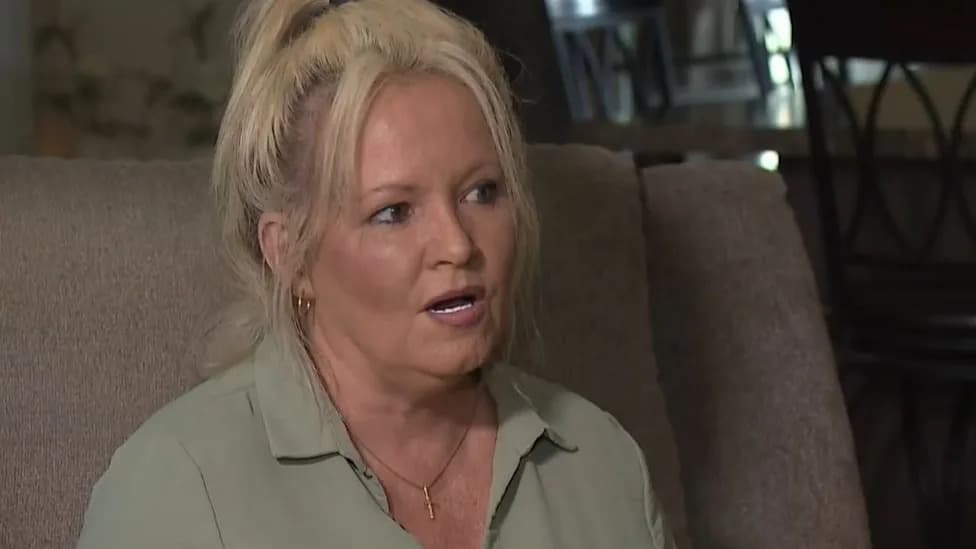
Image Credit: WEAR Channel 3 News/YouTube.
A Florida grandmother nearly transferred $1,500 after receiving an urgent call from someone who sounded like her grandson, a recruit who had left for Marine boot camp about a week earlier. The caller claimed the recruit had been in a car crash, treated at a hospital, then arrested for driving under the influence — and that he needed money immediately or risked losing his military career unless he returned to his barracks before 8 a.m.
What Happened
The caller addressed the woman as "grandmother" and pressured her to send $1,500 via fast-transfer apps such as Venmo or PayPal. Tina Weaver paused and called her daughter before completing the transaction; her daughter warned that the call was likely fraudulent, and no money was sent.
Why The Scam Was Convincing
Scammers increasingly combine personal details with technology to sound legitimate. The New York Department of State cited a July 2026 alert referencing Federal Trade Commission (FTC) data showing scams targeting the military community rose 17% in 2025 versus 2024. Veterans, service members and their families filed 35,215 fraud reports in 2025, reporting at least $684 million in losses across many types of scams.
Red flags in this case: urgent timeline, demand for instant payment, specific personal details, and a voice the victim initially recognized.
Voice-Cloning And Personal Data
The FTC warns that impostor "family emergency" scams often use names, locations and other personal details pulled from social media, public records or compromised accounts. Some fraudsters now use voice-cloning technology: a short clip from a video or voice post can be enough to synthesize audio that resembles a relative. The FTC advises that you should not trust voice alone.
How To Protect Yourself
- End the call immediately if you suspect a scam. Then call the relative back using a number you already have — do not rely on a number or callback suggested by the caller.
- If you can’t reach the relative, contact another family member or a trusted friend independently before sending money.
- Ask questions the scammer couldn’t answer with publicly available information (but the safest option is to hang up and call a verified number).
- Be wary of requests for fast transfers using apps like Venmo, PayPal, Zelle or wire transfers; money sent voluntarily can be difficult to recover.
If You Sent Money Or Were Targeted
If you think you were scammed, contact the payment app immediately: use Venmo Support via the app and notify your bank or card issuer that funded the transfer. PayPal users should report the payment through PayPal’s Help or Resolution Center and contact the connected bank or card issuer. Prompt reporting helps but does not guarantee reimbursement, especially when the transfer was authorized by the account holder.
Report suspected scams to the FTC at ReportFraud.ftc.gov and consider filing a report through military consumer protection pages if the victim is in the armed forces community.
Bottom Line
Scammers rely on urgency, personal details and now voice-mimicking tools to make their lies believable. Pause, verify, and never rush to send money based on a single call — a short pause to check with family can prevent significant loss.
Help us improve.