Maldita.es uncovered 50 Spanish-language Instagram accounts that use AI-generated avatars to spread unproven health advice and sell products. Most profiles are new—84% were created between February and June 2026—and together they posted over 3,100 videos and reached more than 12.6 million followers. Many accounts claim U.S. ties, use SynthID-marked AI content detected by Google’s Gemini, and monetise through books, guides and Amazon affiliate links. Experts warn these operations can promote self-diagnosis, undermine trust in medicine and pose health risks through unregulated supplements.
Fake Doctors and AI Avatars: 50 Spanish-Language Instagram Accounts Peddling Unproven Health Advice
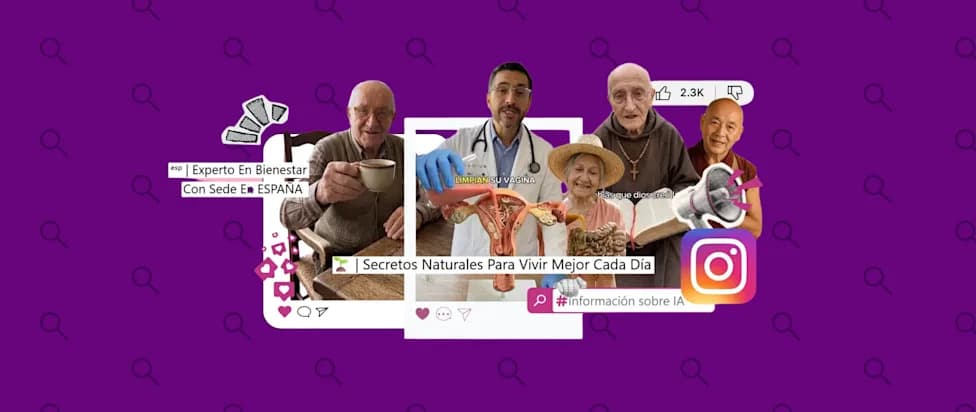
Imagen destacada
An investigation by Maldita.es, a cofounder of Factchequeado, identified 50 Instagram accounts that use AI-generated avatars and content in Spanish to promote dubious health tips and sell products. These profiles mix the appearance of authority—older-looking avatars, faux medical settings and claims of "ancestral wisdom"—with monetisation strategies that include affiliate links, ebooks and dietary supplements.
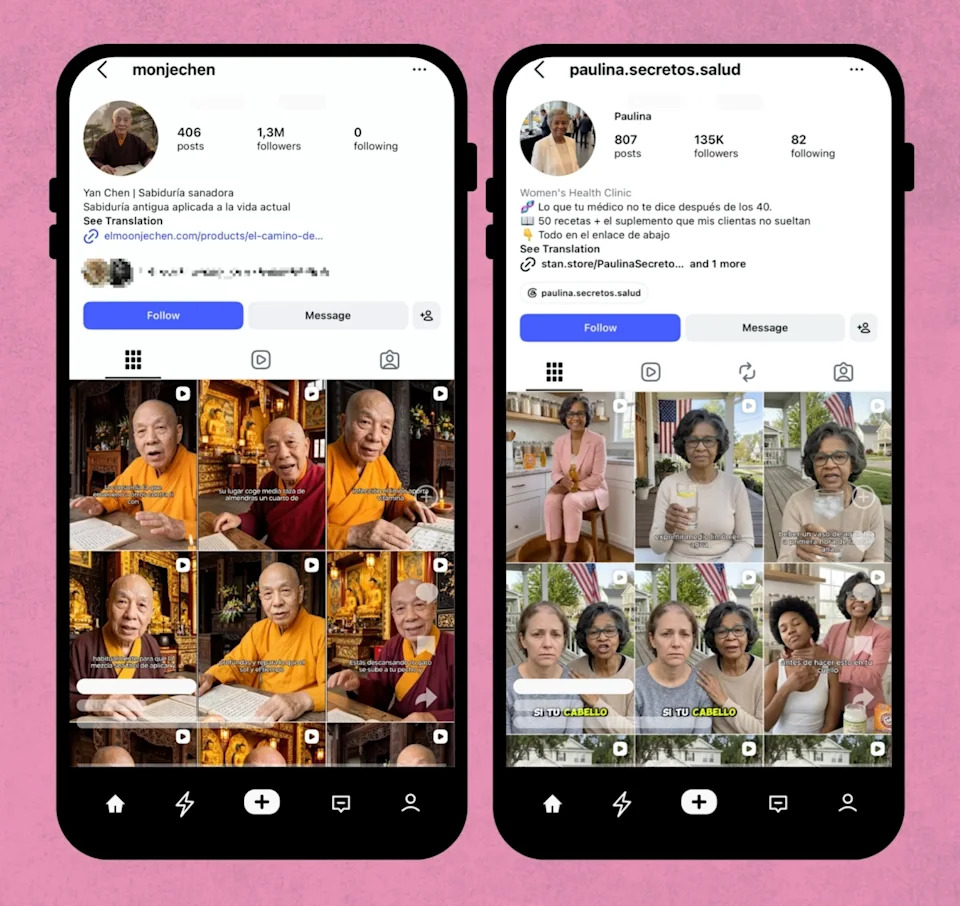
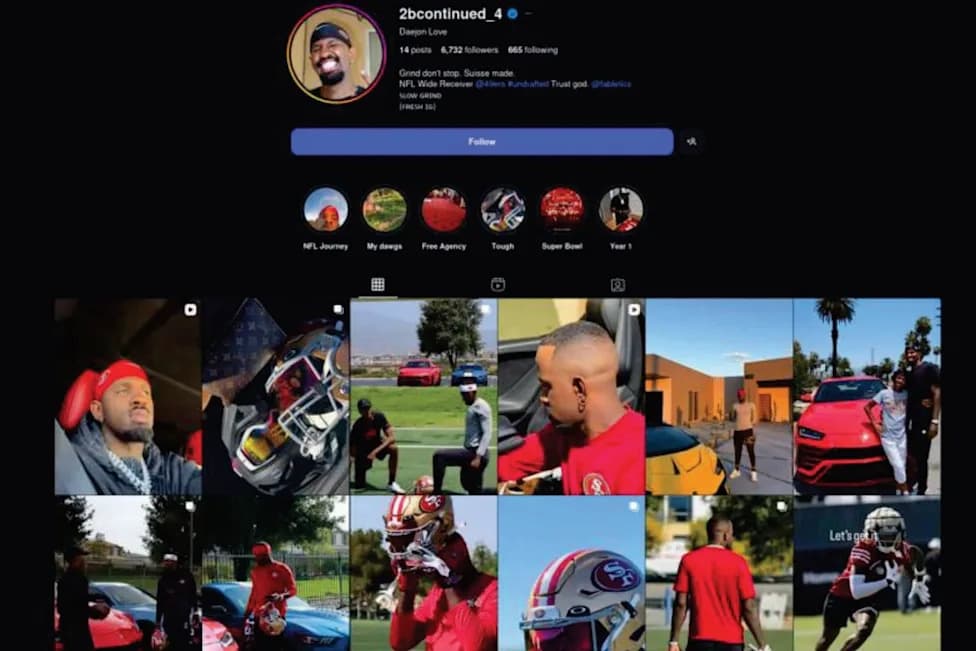
Two of the accounts that use artificial intelligence to spread supposed health tips. Source: Instagram.
Key Example
One account, paulina.secretos.salud, posts a video in which a Black woman with short, graying hair sits before a U.S. flag and framed diplomas and claims that crushed ginger placed on the soles of your feet overnight will cure foot, knee and back pain. The video says, "Doctors have no explanation for this." Paulina is not a real person: she is an AI-generated avatar, and her claim has no scientific support.
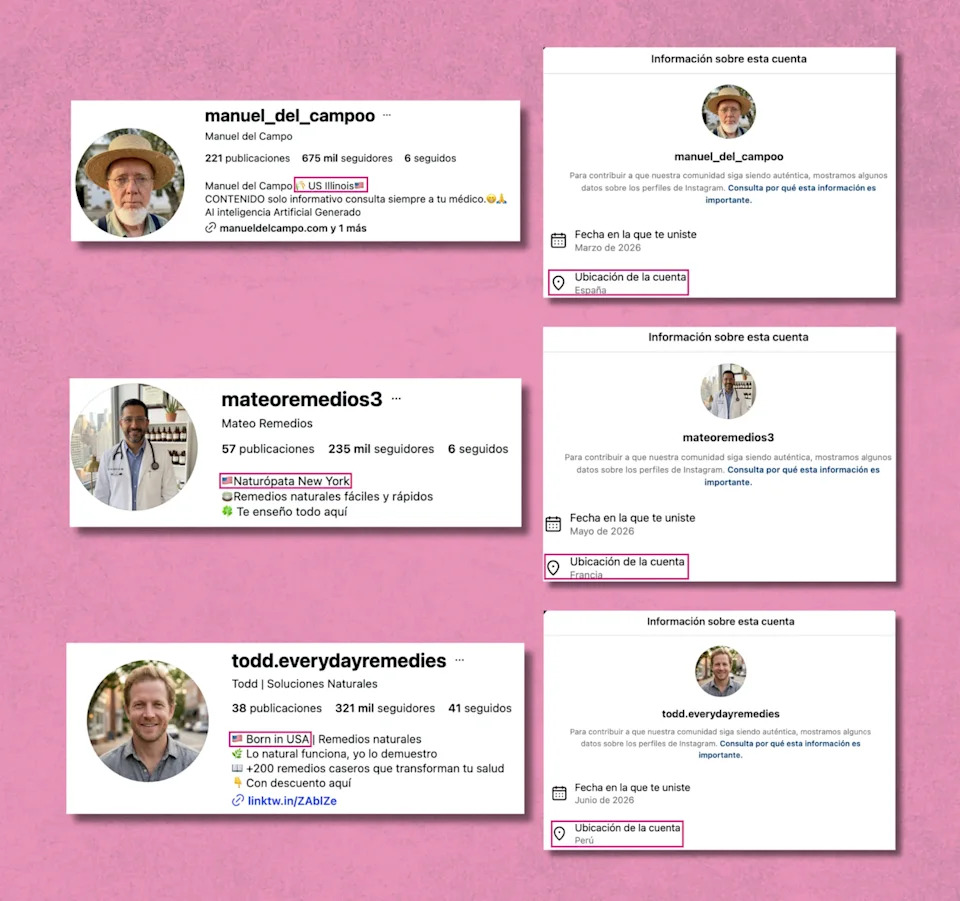
Profiles that include references to the United States in their bios, even though they are located in other countries. Source: Instagram.
What the Investigation Found
Scale and Timing: Of the 50 accounts analysed, 84% (42 accounts) were created between February and June 2026. In five months these profiles published over 3,100 videos (57.8% of the sample’s content). Together they had more than 12.6 million followers and over 5,400 posts at the time of data collection.
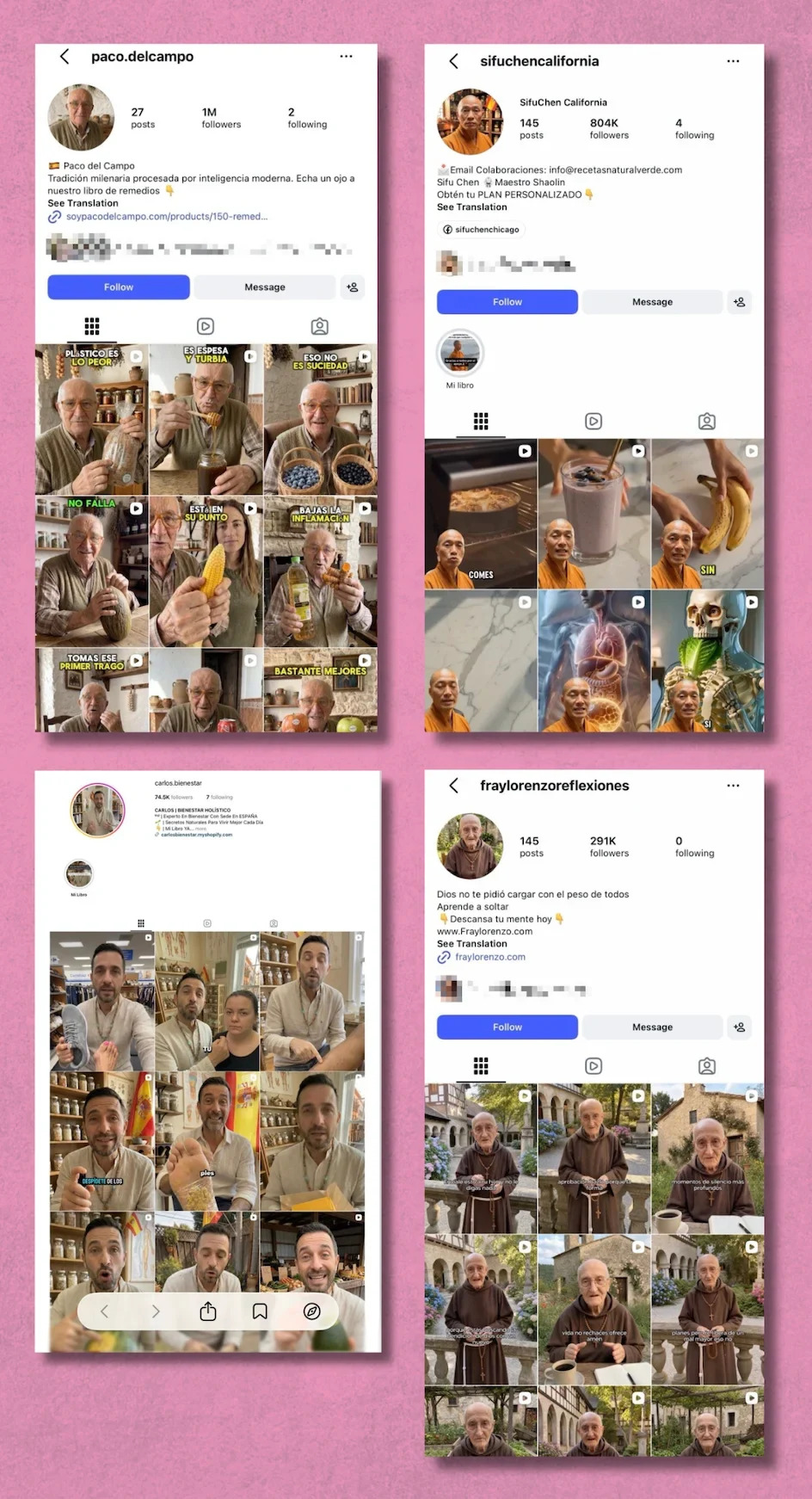
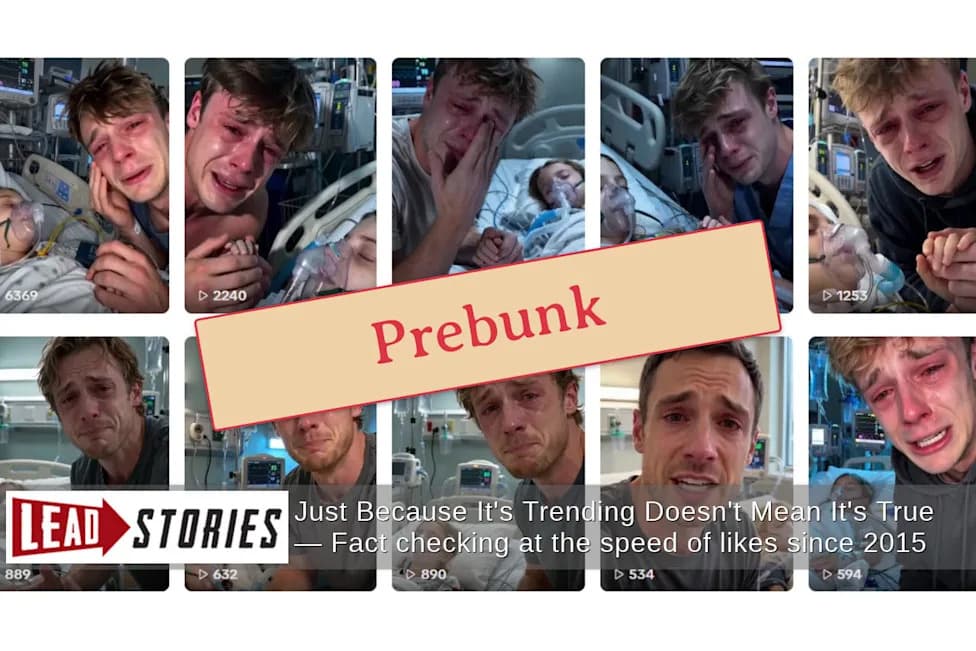
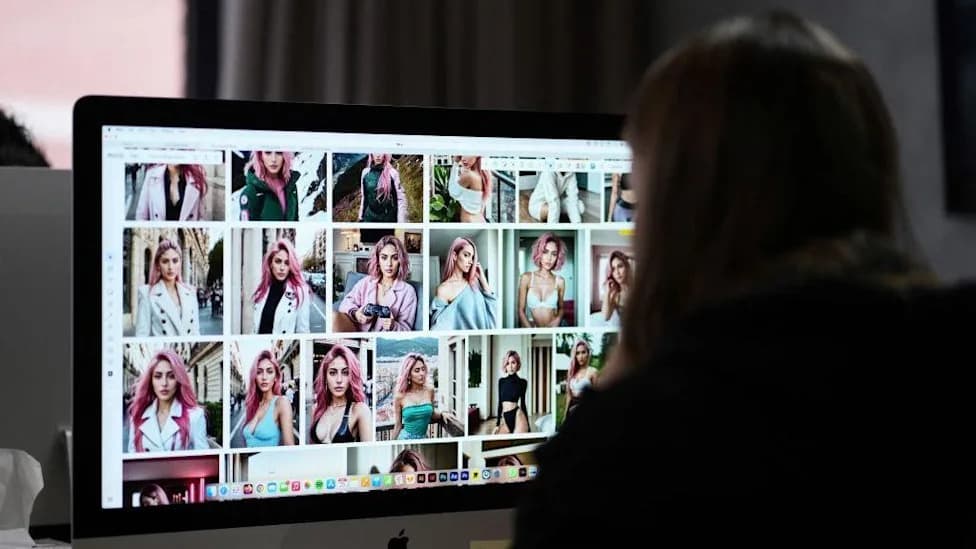
Accounts that use various different characters to offer supposed health advice in their AI-generated videos. Source: Instagram.
Geography: Although all content is in Spanish, location metadata visible on Instagram indicated most accounts list locations in non-Spanish-speaking countries. Location was visible for 49 accounts (one did not show location); of those, 32 listed addresses across 11 non-Spanish-speaking countries. The United States was the most common location (19 of 49); only 17 accounts listed Spain, Peru or Argentina.

Content and Tactics: Characters vary—from elderly rural figures and religious preachers to self-styled "Shaolin" masters and younger figures dressed as clinicians. Many bios emphasise "ancestral wisdom" or decades of personal experience (for example, "40 years of remedies I’ve lived by"), a rhetorical tactic intended to build trust and push readers toward pseudo-treatments. Google’s Gemini AI detected SynthID markers—an imperceptible watermark that signals AI-generated material—in a number of these videos.
Monetisation And Products
Monetisation appears central: 40 of the 50 profiles link to external sites selling products. Of those, 23 promote books, guides or PDF documents; ten of the 23 link to the same title, 200 Natural Solutions for Everyday Problems, attributed to an author named Marina Lopez, for whom investigators found no independent trace. Prices ranged around $34.99 for that title; other guides with similar covers were priced between $11.39 and $19.90 depending on discounts.
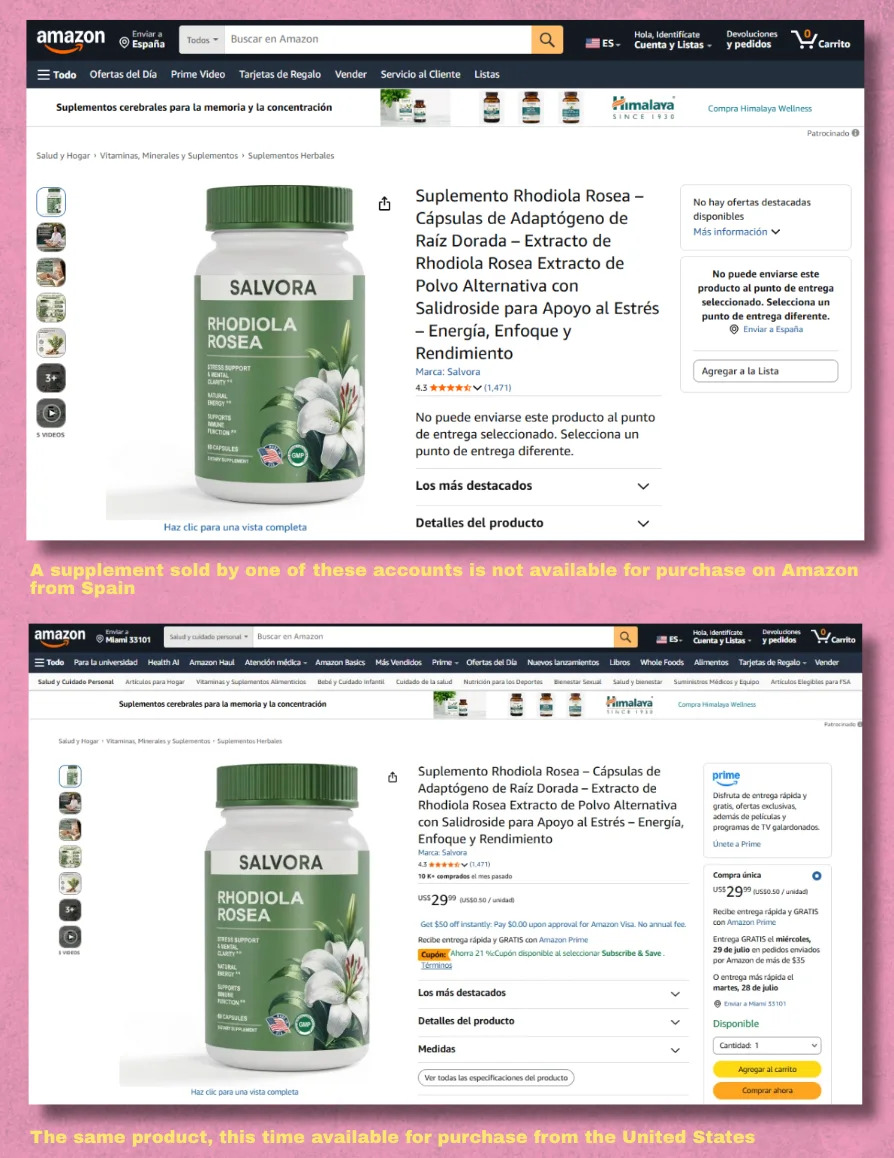
Seventeen of the monetised accounts promote dietary supplements, almost exclusively via Amazon. Availability varied by country: in 16 cases the supplements were unavailable to Spain-based buyers but could be purchased from the U.S. site. Privacy and cybersecurity expert Daniel Fernández-Viagas explains that Amazon affiliate links include tracking codes that can pay commissions to the referring profile, allowing account operators to profit from third-party sales.
Health And Safety Concerns
Experts warn these posts can encourage self-diagnosis, delay appropriate treatment and erode trust in evidence-based medicine. Supplements marketed without medical oversight can carry real risks—liver damage, poisoning, and vitamin toxicity among them—if taken without professional advice.
"When AI-generated content is used to create low-cost guides and products, the production cost can be near zero, and the return on investment high," said Fernández-Viagas. "That creates incentives to scale these operations quickly."
Methodology
Maldita.es compiled the sample by identifying accounts that appeared organically in feeds and by expanding via follower searches. Accounts in the sample were created between December 2014 and June 2026. Data collection ran from July 20–21, 2026; some profiles had been removed by July 27. For each account researchers archived links, recorded username and profile details, extracted platform IDs (using a My OSINT Tools utility), captured bio text, creation date, post counts, follower counts, and checked whether accounts followed other similar profiles. A VPN was used to verify region-locked product pages and prices.
To detect AI generation, the team used Google’s Gemini to check for SynthID markers; in some videos the watermark was detectable by the tool. The investigation notes the 50-account sample is not exhaustive but representative of a broader phenomenon on the platform.
What Users Can Do
- Be sceptical of medical claims from unverified social media profiles, especially those that promise quick fixes.
- Check for independent evidence and speak with licensed health professionals before trying treatments or supplements.
- Be cautious with links to products and note the potential for affiliate commissions.
If you have questions or information, contact Maldita.es at [email protected].
Help us improve.