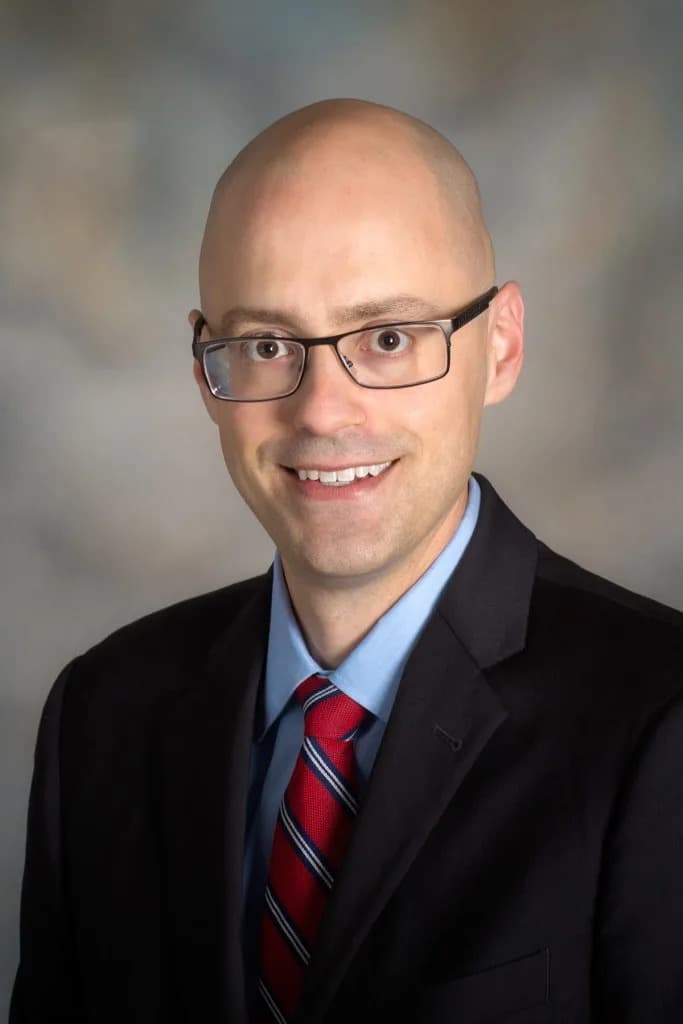
Dr. Ome Ogbru, CEO of AI Engines, warns that chatbots should not replace licensed medical professionals and urges users to verify AI-sourced medical information with clinicians. He endorses an "evidence first" approach that integrates trusted sources like PubMed and surfaces citations for clinician review. While a recent study reported a 78% diagnostic accuracy for an OpenAI model in test conditions, Ogbru cautions that such results may not reflect real-world clinical complexity. He also highlights privacy risks when uploading sensitive health data and recommends checking platform settings that opt out of training uses.
“AI Can Help — But It Can’t Replace Your Doctor,” Medical AI CEO Warns
‘AI can’t replace your doctor,’ expert warns amid rise in chatbot health advice
As more Americans turn to artificial intelligence for medical information, Dr. Ome Ogbru, CEO of medical AI firm AI Engines, warns that chatbots must not become a substitute for licensed health professionals.
Verify Sources, Then Talk To Your Clinician
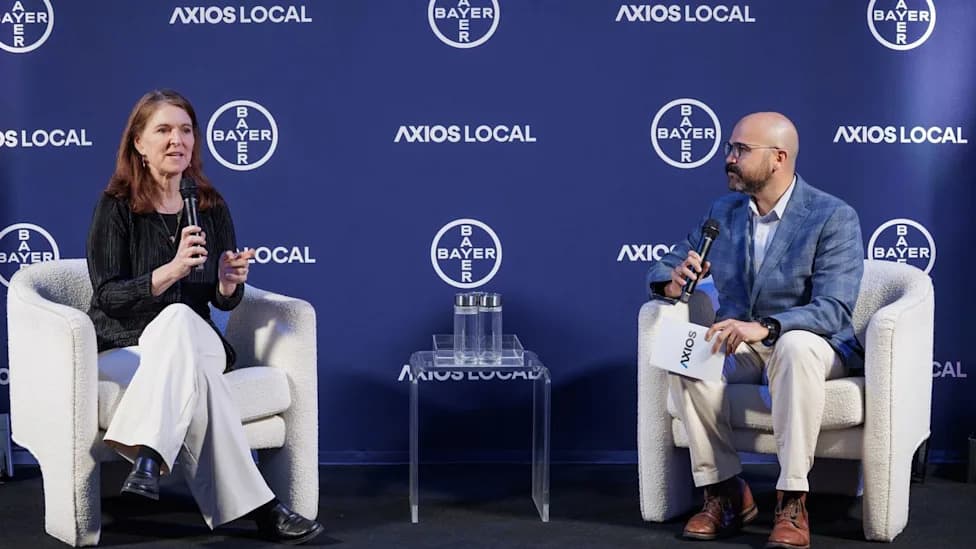
In an interview with NewsNation correspondent Alicia Nieves, Ogbru said AI can be a useful research tool but stressed that users should confirm where AI-generated information comes from before treating it as authoritative. He recommended checking whether guidance is based on health care experts, medical societies or other reputable sources and discussing findings with a clinician before taking action.
"You should never skip meeting with your health care professional. You should not treat these platforms as giving advice," Ogbru said.
What The Study Means — And What It Doesn’t
The warning comes amid debate over whether advanced AI models might one day match or outperform clinicians on certain diagnostic tasks. Nieves referenced a recent study reporting that an OpenAI model achieved 78% accuracy on complex diagnostic cases and outperformed some emergency room physicians in that testing environment. Ogbru cautioned that test conditions can supply AI with information that may not be available in real-world clinical settings, and results should be interpreted in context.
Evidence-First Tools For Clinicians
Ogbru described AI Engines’ approach as "evidence first," building tools specifically for medical professionals, researchers and life sciences organizations rather than consumer-facing chatbots. Their products integrate trusted sources such as PubMed and surface citations so clinicians can review the underlying evidence behind an AI-generated answer.
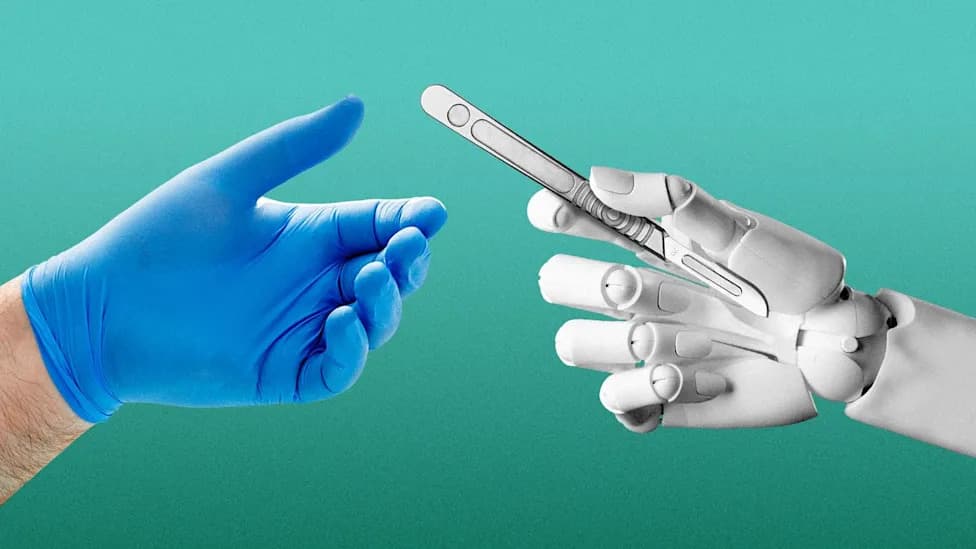
"These platforms are becoming better at assisting health care professionals, but they don't replace health care professionals," he said.
Licensing, Responsibility And The Human Element
Ogbru emphasized a fundamental legal and ethical distinction between AI systems and physicians: AI models are not licensed clinicians and cannot assume responsibility for clinical decisions or outcomes. He also noted that AI lacks the human connection and contextual understanding—such as patient preferences, social factors and nuanced clinical judgment—that often matter in care.
Privacy Risks And Data Use
Privacy is another key concern. Some users upload medical records or other sensitive information into AI platforms, and Ogbru urged people to consider what happens to their data after submission and whether it could be reused for research or marketing. He said he personally avoids placing private information into AI databases when the destination or use is unclear.
"I certainly do not put my private information in any AI database because I don't know where that's going to go," Ogbru said.
He noted that some services provide settings to opt out of having submitted data used to train or improve models and advised users to review those privacy options before entering sensitive information.
Bottom Line
AI can assist with information gathering and decision support, but it should complement—not replace—licensed medical professionals. Users should verify AI-sourced medical claims, review cited evidence, consider privacy implications, and always consult a clinician when making health decisions.
Help us improve.