New research from the Edelman Trust Institute and Yale School of Public Health surveyed more than 13,000 people and found 70% endorsed at least one unfounded health claim. Susceptibility to misinformation cuts across education, politics, and age, and people who frequently use health care are more likely to hold multiple false beliefs. Nearly half believe a nonmedical person skilled with AI can match a doctor on at least one task. The analysis shows empathy, listening, and community understanding increase the chance people will accept accurate medical advice.
Fight Health Misinformation With Empathy: What New Yale–Edelman Research Reveals

—Malte Mueller—Getty Images
In November 2008, eight months pregnant and watching election returns, I balanced myself upside down on my couch with a smoldering bit of mugwort near my toes in the hope my breech baby would turn. I had read online that a practice called moxibustion might help. As a physician and scientist, I knew the peer-reviewed evidence was thin and clinicians rarely recommended it—yet with my preferred birth slipping away, I was willing to try anything. Skeptical but hopeful, I told myself it couldn't hurt.
What the Research Shows
New research from the Edelman Trust Institute and the Yale School of Public Health, where I serve as dean, analyzed responses from more than 13,000 people globally to test belief in six unfounded health claims, including myths about childhood vaccines, raw milk, and fluoride in drinking water. Across the sample, 70% of respondents endorsed at least one of those false claims.
Key Patterns
Susceptibility to misinformation did not fall neatly along expected lines: most people who believed at least one unfounded claim had completed a university-level science course. Belief was also not strictly partisan or generational—uncertainty about health topics is widespread across demographics.
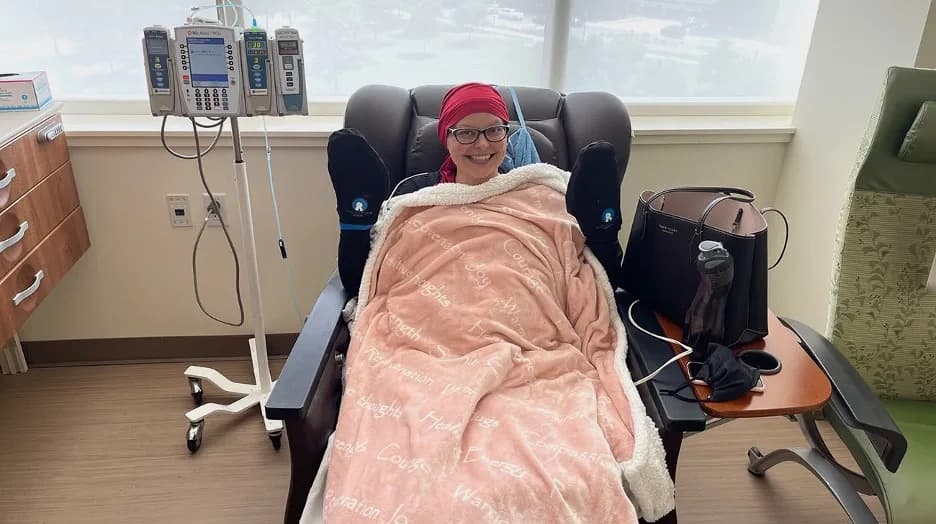
Worryingly, those who interact frequently with the health-care system were over 50% more likely to hold three or more of the unfounded beliefs tested. People with chronic, unresolved, or complex medical problems often face ambiguous tests, failed treatments, and conflicting specialist opinions; that uncertainty can push them to keep searching and to try alternatives.
Role of Digital Tools and AI
As people search for answers, they increasingly turn to friends, social media, and digital tools. Nearly half of survey respondents believe that a person without medical training but proficient with artificial intelligence could perform at least one health-related task as well as—or better than—a doctor. AI and online sources can offer empathy and rapid answers, but the accuracy of that guidance varies.
Empathy Matters: Our analysis shows people are more likely to accept accurate medical advice when they feel heard, when their concerns and experiences are taken seriously, and when advisors show understanding of their community.
Practical Implications
Misinformation thrives in the petri dish of uncertainty, especially when it offers simple solutions to complex problems. But the data also provide hope: nearly half of respondents reported seeing doctors or medical experts successfully build trust with patients. That suggests concrete steps clinicians and public-health communicators can take.
- Listen Actively: Make space for patients to tell their stories without interruption.
- Acknowledge Uncertainty: Admit what is unknown and what evidence supports current best guidance.
- Understand Community Context: Tailor communication to cultural and local concerns.
- Combine Empathy With Evidence: Use compassionate engagement as the gateway to accurate information.
Personal Reflection
My daughter did eventually turn before birth; I doubt the mugwort caused it. What I remember most from that night was not the technique but the feeling I sought: agency. Lighting a moxibustion stick felt like taking action when uncertainties were overwhelming. That search for control is deeply human, and recognizing it helps us design responses that lend both understanding and trustworthy answers.
Bottom line: To reduce health misinformation, clinicians and communicators should pair empathy and listening with clear, evidence-based guidance. Doing so makes people more likely to trust and follow accurate medical advice.
Help us improve.