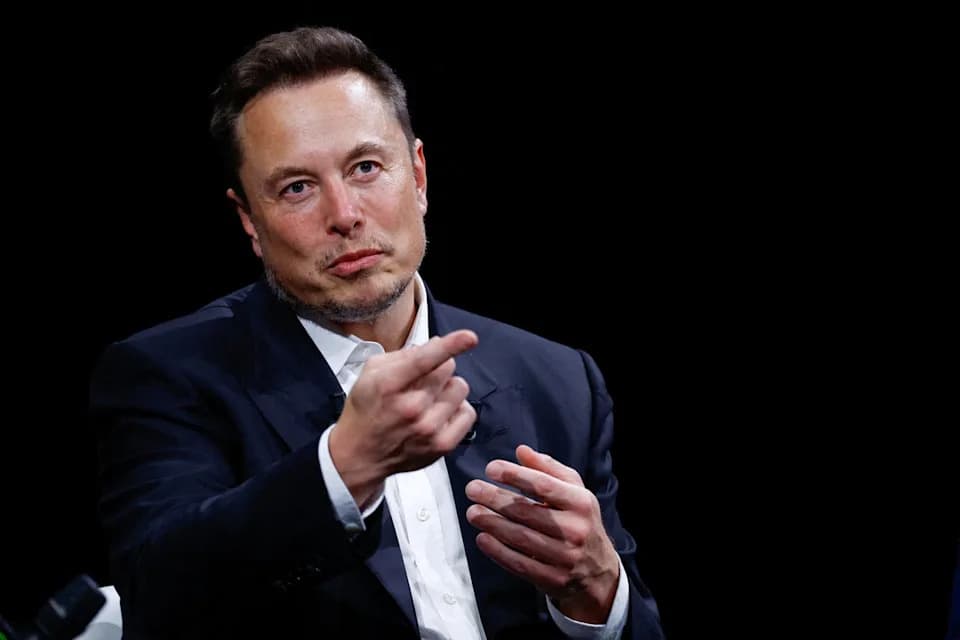
Rep. Frank Pallone Jr. has demanded records from Elon Musk and xAI about pollution and permitting at the Colossus 1 and Colossus 2 data centers in Tennessee and Mississippi. The letter seeks turbine inventories, emissions and permitting documents, communications with officials including the White House, and analyses of emissions, power use, and water consumption. Pallone’s claims — supported by outside analyses and Reuters reporting — allege unpermitted gas turbines have made the sites major sources of pollution in the Memphis area. The facilities face legal challenges from the NAACP and local residents while the Justice Department has moved to intervene.
Rep. Pallone Demands Elon Musk Explain Pollution From xAI’s Colossus Data Centers
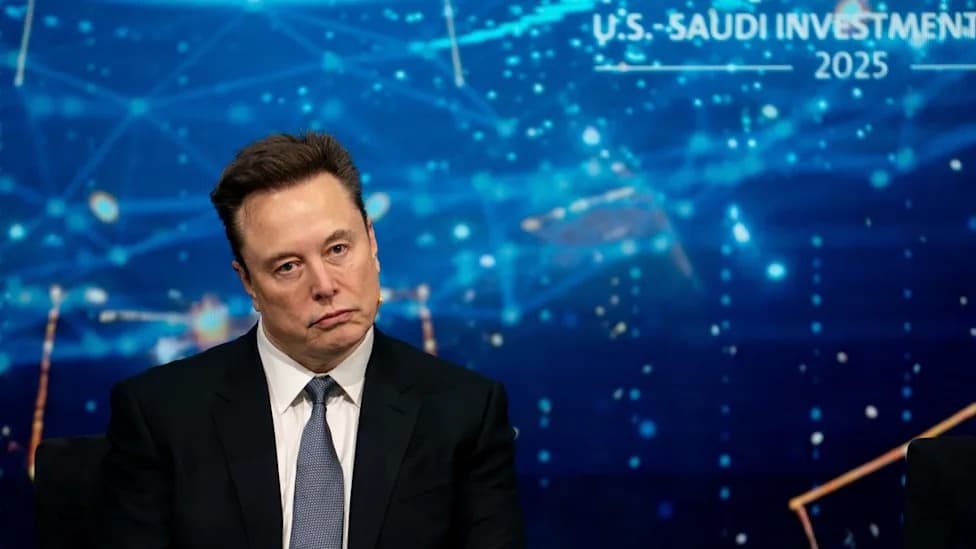
Rep. Frank Pallone demands Elon Musk answer for xAI data center pollution
Rep. Frank Pallone Jr. (D-NJ), the top Democrat on the House Energy and Commerce Committee, has sent a formal letter to Elon Musk seeking detailed records and explanations about pollution tied to xAI’s Colossus 1 and Colossus 2 data centers in Tennessee and Mississippi.
In the letter, Pallone requests a complete list of turbines powering each facility, emissions and permitting documentation, and all communications between xAI employees and state, local, and federal officials — explicitly including any contacts with the White House. He also asked for analyses of each site’s emissions, power consumption, and water use, and said his staff will contact xAI to arrange visits to both locations.
Allegations and data cited:
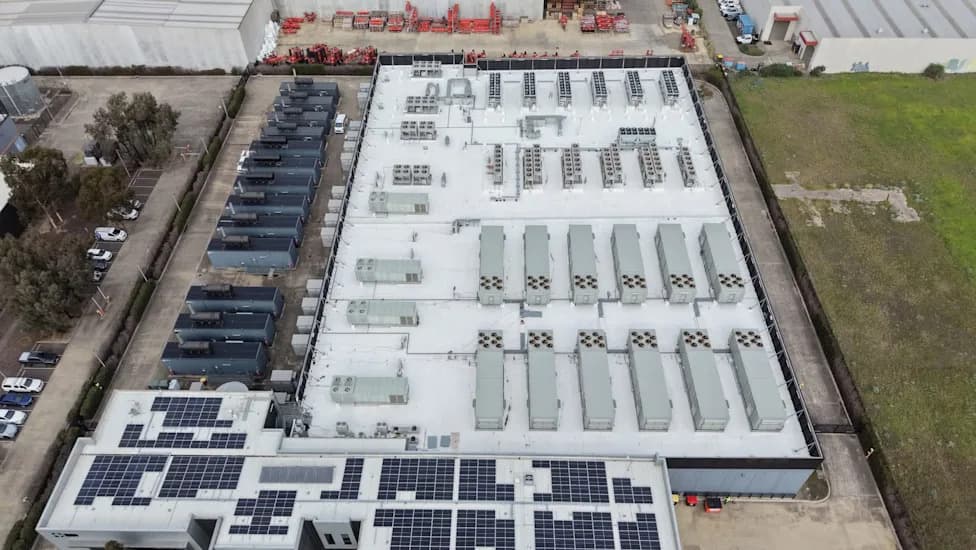
According to the letter, Colossus 1 in Shelby County, Tennessee, runs on 35 gas turbines and has become the county’s third-largest source of ozone-forming pollution — reportedly surpassing a nearby refinery and power plant — while operating without air permits in apparent violation of the Clean Air Act. The letter further states that roughly five miles away in Mississippi, xAI has installed at least 60 additional gas turbines for Colossus 2, also without air permits.
One analysis cited by Pallone concluded the Colossus turbines are the single largest source of pollution in the Memphis area, emitting about five times more than the next-largest source (Memphis International Airport), and representing the top emitter of nitrogen oxides across Mississippi, Tennessee, and Arkansas.
Earlier reporting from Reuters noted that xAI brought 59 natural gas turbines online at Colossus 2 without securing required federal clean-air permits and that the turbines are sited in neighborhoods that are predominantly Black, with projected emissions that would ordinarily trigger federal permitting requirements. SpaceX and xAI did not provide comment to Reuters at the time of reporting.
Legal challenges: The Colossus 2 facility faces multiple legal actions. The NAACP filed a Clean Air Act lawsuit in April alleging xAI installed turbines in Southaven, Mississippi, without required permits and exposed nearby residents — disproportionately Black — to harmful emissions. The Justice Department moved to intervene and sought dismissal of that suit, citing national security concerns. Separately, three Mississippi residents filed a class-action lawsuit against xAI and SpaceX alleging that noise from the Southaven facility harmed their health and reduced property values.
Pallone criticized the current administration’s enforcement approach and wrote that granting tech companies leeway to pollute does not make illegal actions lawful. His letter seeks to clarify whether federal and state environmental rules were followed and to assess community impacts from emissions and other operations at the Colossus sites.
"The Trump Administration has essentially claimed that it alone decides whether SpaceXAI and other companies get a free pass to pollute unimpeded," Pallone wrote. "But just because the Trump Administration will bend over backward to give tech companies free rein over community air, water, and land does not make your actions legal."
The committee’s request underscores growing congressional scrutiny of the environmental and community impacts of large-scale AI data centers, including questions about permitting, localized pollution, environmental justice, and transparency.
Help us improve.