Summary: A Tokyo research team used an ROV at roughly 4,265 ft (1,300 m) to study hydrothermal vent life and found limpet larvae (under 1 mm) migrate to sunlit surface waters during their larval stage. Shell chemistry allowed researchers to reconstruct each larva's temperature history, revealing a surface feeding and dispersal phase carried by currents before larvae descend to settle at vents. The discovery implies that surface changes—pollution, warming and shifting currents—could affect deep‑sea vent ecosystems, so conservation may need to include upper‑ocean conditions.
Deep‑Sea Limpet Larvae Swim to Surface, Ride Currents, Then Return to Vents, Tokyo Study Shows
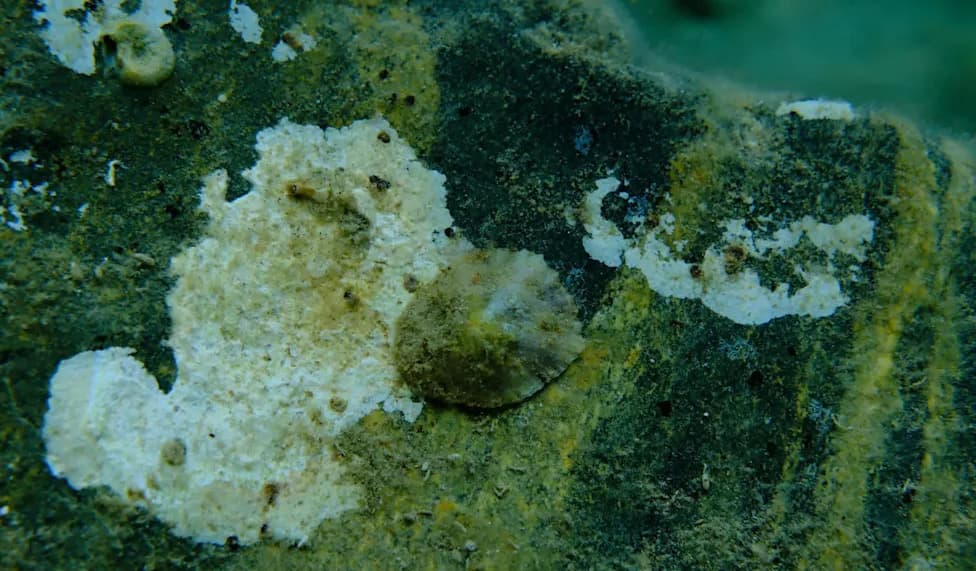
Photo Credit: iStock
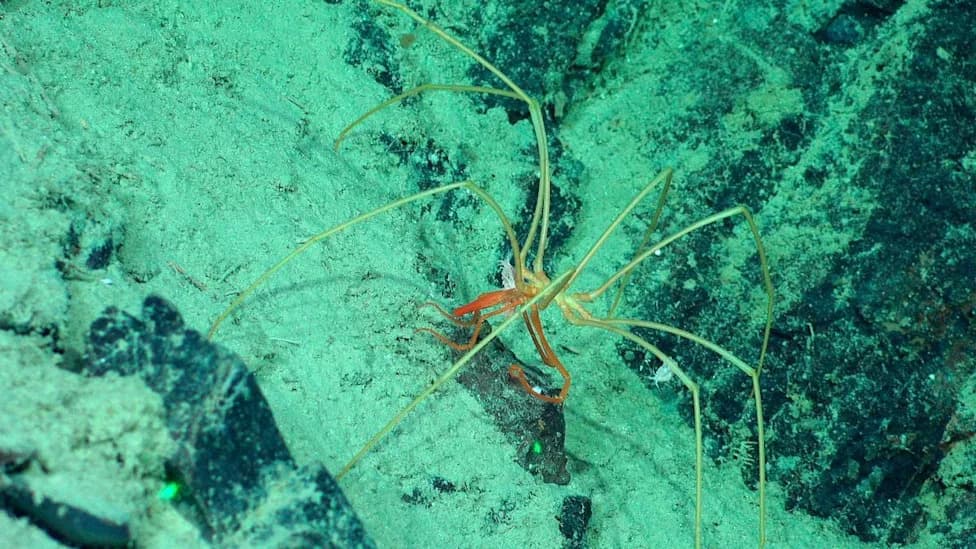
Researchers from a Tokyo team used a remotely operated vehicle to explore hydrothermal vents about 4,265 feet (1,300 meters) below the surface of the Pacific Ocean and made an unexpected discovery about how vent animals disperse.
Vent Life Makes a Surface Journey
Hydrothermal vent fields are among Earth’s most extreme habitats: iron‑rich, acidic fluids and toxic chemicals gush from the seafloor at temperatures approaching 178°F (about 81°C), creating conditions very different from the sunlit surface ocean. Yet tiny animals move between these isolated vent communities.
Shell Chemistry Reveals a Hidden Life Stage
The team collected limpets' larvae — each under 1 mm long — and analyzed chemical signatures locked in their shells. Those signatures preserve temperature histories of the environments the larvae experienced, a method the researchers liken to reading tree rings.
The shell records show the larvae ascend into sunlit surface waters during their planktonic larval stage. There they feed on plankton and are carried by surface currents to new regions before descending again to settle on a natal vent or colonize a different vent site.
Broader Implications
These findings suggest surface‑ocean conditions play a crucial role in sustaining even the deepest vent ecosystems. If vent species rely on an upper‑ocean phase, they are less isolated than the seabed alone would suggest. That means pollution, warming, and shifts in surface currents could indirectly affect communities nearly a mile below.
The study underscores that the deep ocean is connected to surface processes and that conservation strategies focused only on the seafloor may miss a critical life stage. Discoveries like this depend on costly exploration technology and long‑term monitoring to reveal hidden ecological links.
Source: Findings reported by the Tokyo research team and summarized in reporting by Discover Wildlife.
Help us improve.