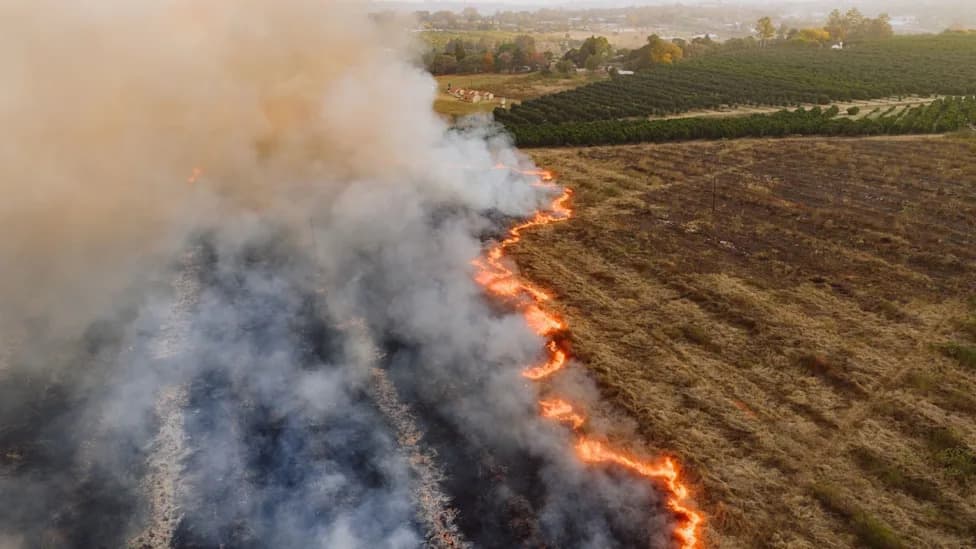
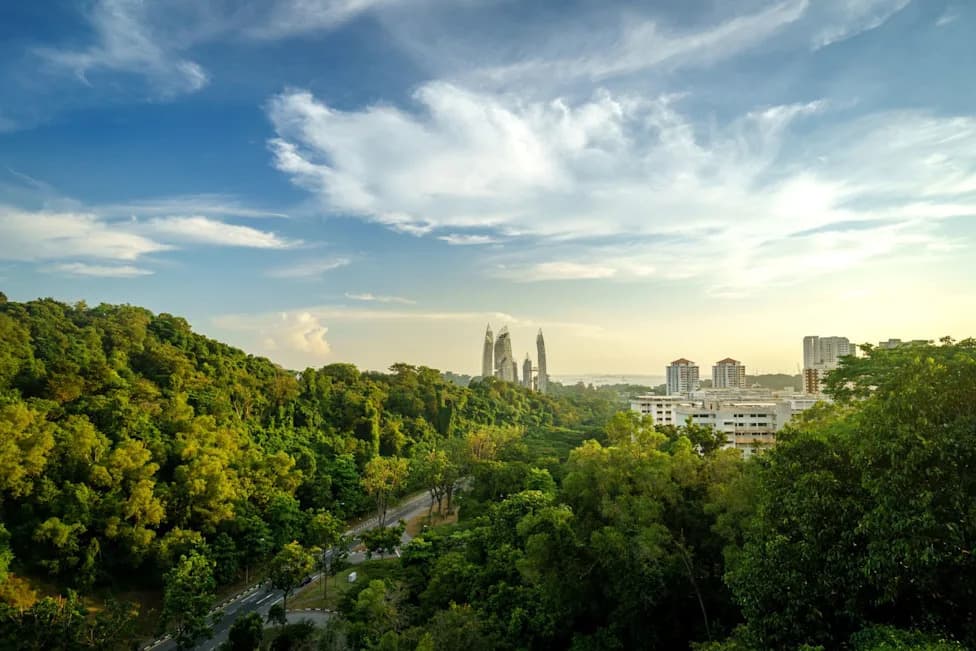
A Saudi-led pledge to plant 35 billion trees across the Middle East faces a key obstacle: rising extreme heat and shrinking water supplies may make large-scale afforestation ineffective. Haya Alhusainan of the LSE Middle East Centre argues that many adaptation measures are evaluated as if their effectiveness won’t decline as climate risks intensify. Examples such as Kuwait — where nights are warming faster than days — show why planting strategies must prioritize drought-tolerant species, water management, and phased, climate-resilient approaches.
Extreme Heat Threatens Viability of Middle East's 35 Billion-Tree Plan
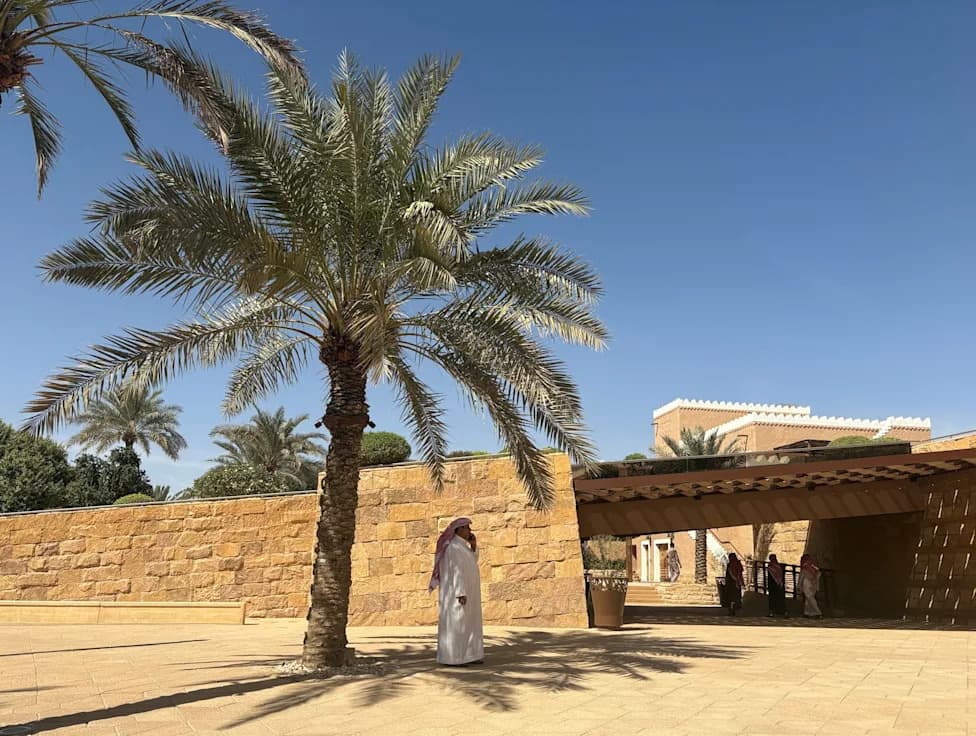
Extreme heat casts doubt on viability of MidEast tree planting project
A Saudi-led initiative to plant 35 billion trees across the Middle East has been widely praised as a bold step toward restoring degraded landscapes and combating climate change. But growing evidence suggests that escalating extreme heat and shrinking water supplies could undermine the campaign’s long-term success.
Haya Alhusainan of the LSE Middle East Centre warns that many adaptation measures — from urban greening to planting programmes — are often evaluated as if their effectiveness will remain unchanged even as climate risks intensify. Many Gulf-region solutions were designed to cope with occasional, extreme heat, not a future where such conditions become persistent.
“Extreme heat therefore evolves into a persistent environmental condition,” Alhusainan writes, noting that adaptation strategies must evolve accordingly.
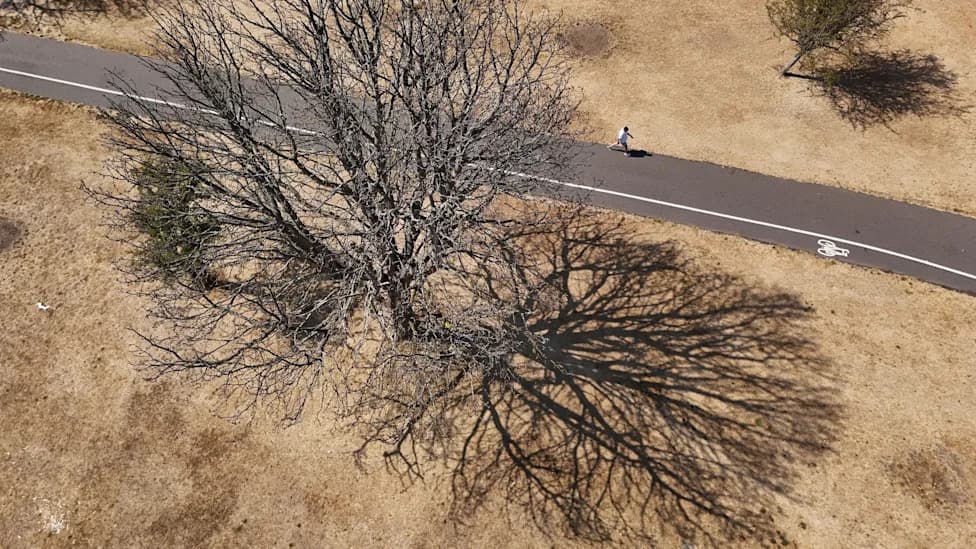
In Kuwait, for example, summer nights are warming faster than days, reducing the overnight cooling window that people and infrastructure rely on. For trees, higher temperatures and reduced night-time relief increase evapotranspiration and water stress, raising the risk of mortality, especially for newly planted saplings.
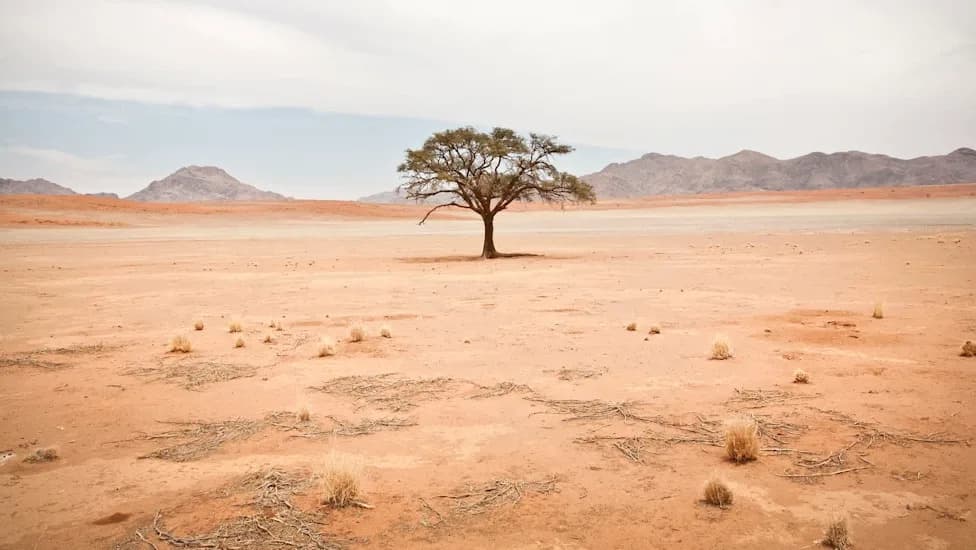
Water availability is central. If extreme heat compounds water scarcity, large-scale afforestation efforts could fail or require unsustainable irrigation. That would not only waste resources but could also divert water from essential human and agricultural uses.
What Needs Reconsideration
To improve chances of success, planners should pair tree-planting pledges with rigorous climate-resilience criteria: native and drought-tolerant species, prioritized planting in ecologically suitable areas, phased approaches that monitor survival rates, and strong water management measures (including rainwater harvesting and wastewater reuse).
Policymakers and funders must also consider alternative or complementary measures — such as urban design that reduces heat exposure, natural regeneration where feasible, and investments in water-saving infrastructure — rather than assuming a single large-scale tree-planting campaign will be a silver bullet.
Ultimately, the promise of billions more trees remains appealing, but its realization depends on adapting planting strategies to a hotter, drier future so that trees survive, ecosystems recover, and scarce water resources are used wisely.
Help us improve.