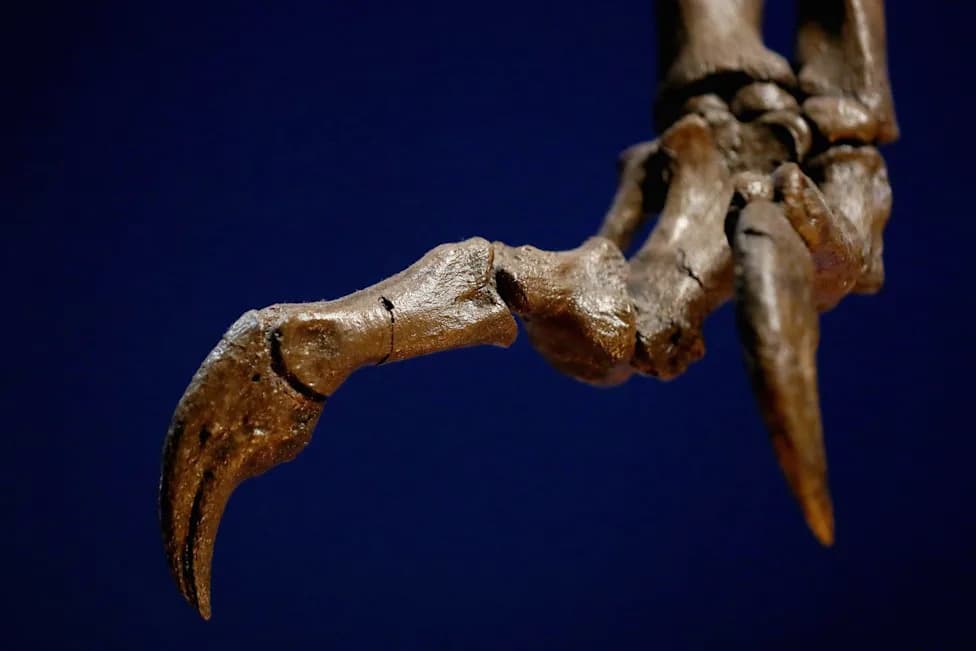
Scientists reanalyzed 21 Paranthropus boisei footprints from Kenya's Koobi Fora Formation and found evidence that some individuals may have been taller and heavier than previously thought — possibly up to 6 ft (1.8 m) and 165 lb (75 kg). The pattern of prints suggests eight individuals crossed a lakeshore together, offering rare behavioral insight. Researchers controlled for mud substrate effects and compared the tracks with those of Homo erectus and modern humans, while urging caution about how footprint shape relates to foot anatomy.
Fossil Footprints Recast 'Nutcracker Man': Paranthropus boisei May Have Been Larger and More Social
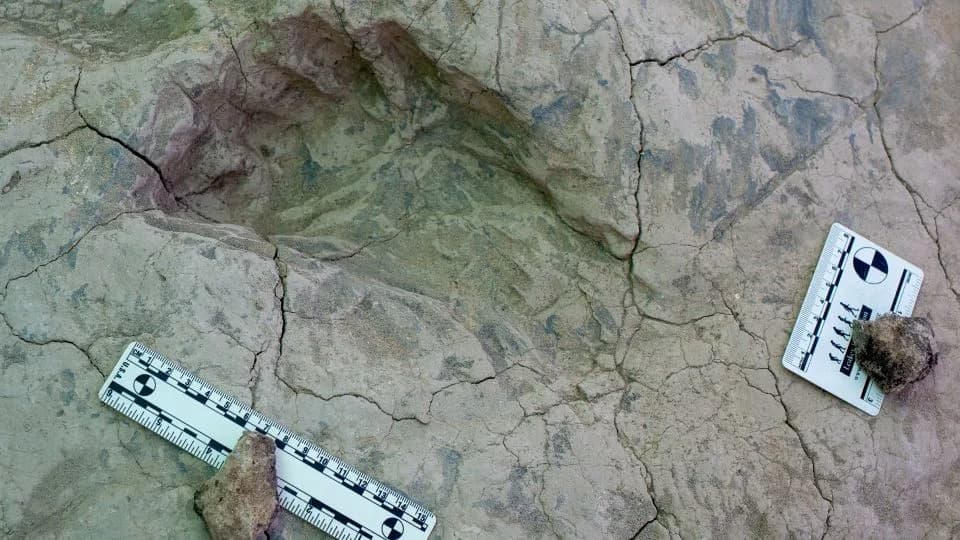
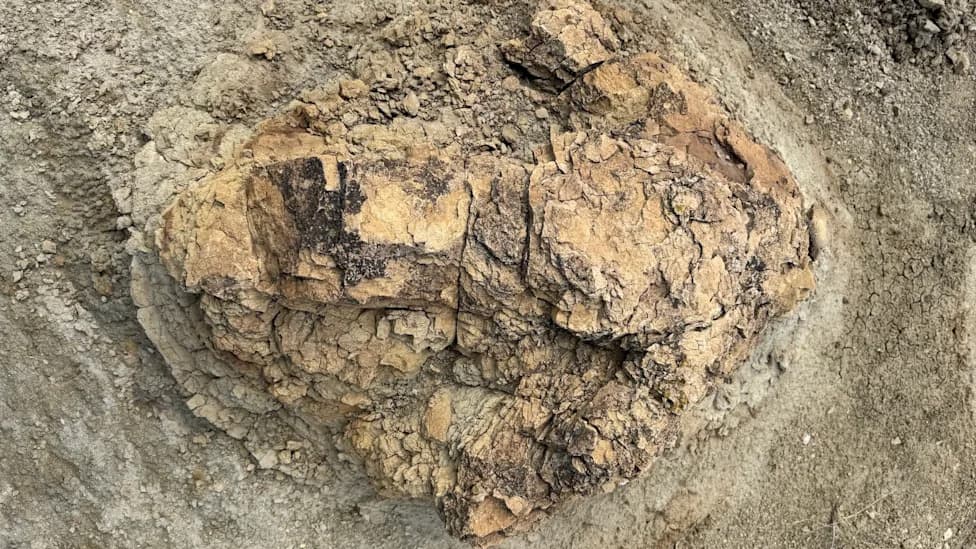
An approximately 1.43 million-year-old hominin footprint from Koobi Fora, Kenya. - Kevin G. Hatala
Fresh analysis of fossilized footprints from Kenya's Koobi Fora Formation is reshaping scientists' view of "Nutcracker Man" — the robust hominin Paranthropus boisei. The newly studied trackway preserves 21 hominin prints dating to roughly 1.4 million years ago and offers rare, direct evidence about body size, locomotion and possible social behavior.
Bigger Than Expected
Previous size estimates for P. boisei were based mostly on skulls and a limited number of postcranial bones, suggesting adult males averaged about 4.2 feet (131 cm) and 108 pounds (49 kg). Measurements of footprint length and width from 21 newly identified prints indicate some individuals may have reached heights of up to 6 feet (1.8 m) and weights near 165 pounds (75 kg), bringing their stature closer to a more humanlike range.
Evidence of Group Movement
The spatial pattern and orientation of the prints suggest they were made during a single event by a group of eight P. boisei individuals walking together along a lakeshore. Lead author Kevin Hatala and colleagues propose the trackway may capture adult males moving as a group — possibly a response to dangers like hippos — providing one of the clearest behavioral snapshots for this species.
How the Team Reached These Conclusions
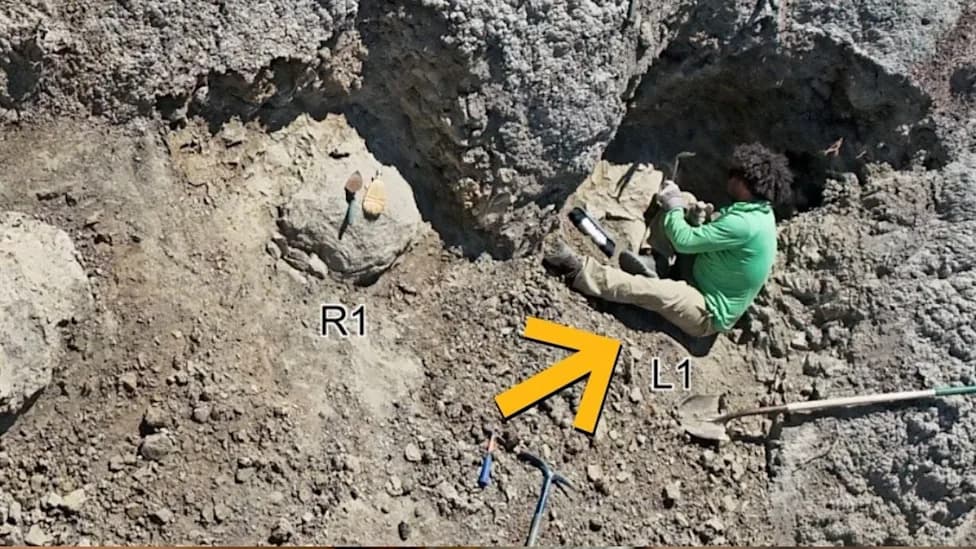
The impressions are exceptionally well preserved, with some depths reaching 4.7 inches (12 cm), consistent with impressions pressed into soft, wet mud. Seven of the hominin tracks were first recovered in 1978 during fieldwork led by Anna Katherine "Kay" Behrensmeyer, with another 14 prints uncovered in excavations in 2016 and 2023. The study appears in the journal PNAS.
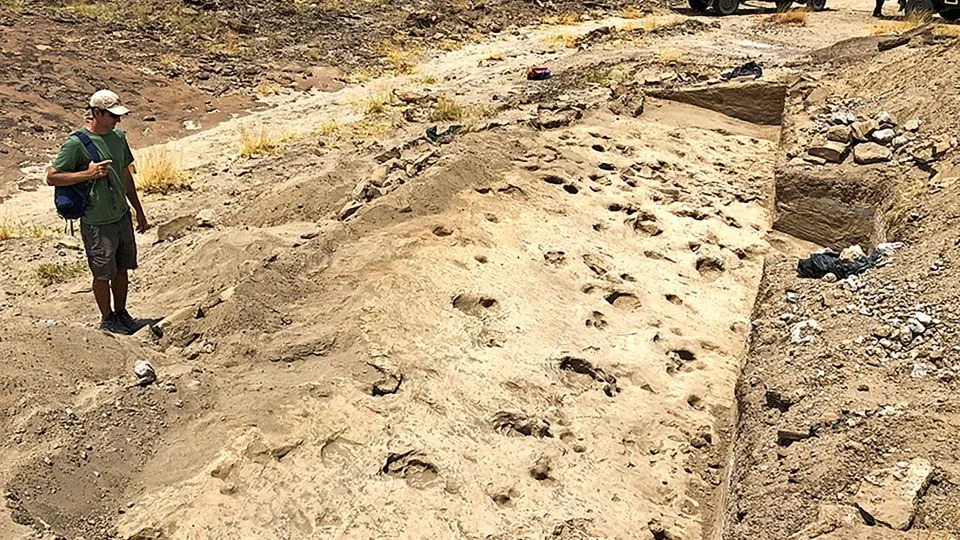
The excavated track surface displays a mix of deeper hippopotamus and antelope footprints and shallower hominin tracks. - Kay Behrensmeyer/Smithsonian
Because footprint shape can be strongly affected by substrate conditions, the researchers controlled for variations in mud consistency. Hatala's team conducted experiments using rehydrated mud similar to the original substrate to understand how wetness and stickiness influence footprint morphology.
Comparisons And Cautions
The P. boisei prints resemble those of Homo erectus and modern humans in several respects, but also show distinguishing features noted in earlier Pleistocene prints: comparatively flatter arch impressions and a big toe sometimes angled slightly away from the other toes. These traits hint at differences in foot-ground interaction rather than providing a definitive record of foot anatomy.
"Footprints are important fossils because they provide us with both anatomical and behavioral information," said Patricia Kramer of the University of Washington, who has studied the Koobi Fora trackways but was not part of this study. She urged caution in interpreting the functional importance of specific footprint traits.
Context With Other Hominins
Paranthropus boisei coexisted for hundreds of thousands of years with other archaic human relatives such as Homo erectus in the Turkana Basin. A 2024 study led by Hatala described nearby trackways potentially made days apart by the two species, underscoring that multiple hominins used the same lakeside habitats.
Why It Matters
Unlike isolated bones or teeth, footprints record living behavior and body proportions at a single moment in time. These traces help scientists and the public alike visualize how extinct relatives moved and organized themselves in ancient landscapes — a vivid complement to the anatomical fossil record.
Study Citation: Hatala et al., PNAS (2024). Senior contributors include Anna Katherine Behrensmeyer; experiments and broader context were provided by multidisciplinary teams studying Koobi Fora trackways.
Help us improve.